Choosing the right feeding tool can make mealtimes safer, calmer, and more manageable for people with swallowing difficulties. The best option depends on the eater’s control, sensitivity, and whether the goal is assisted feeding or independent practice.
In this roundup, we focus on practical, therapist-friendly options designed to support comfort, pacing, and easier intake across a range of ages and needs.
Best 10 Dysphagia Feeding Spoons Picks for 2026
Controlled liquid feeder
Silicone Dysphagia Liquid Feeder

- Soft silicone spoon head for gentle feeding
- Squeeze body helps control flow and dosage
- Disassembles fully and includes a cleaning brush
Best For: Seniors, adults, and caregivers needing a controlled feeder for liquids and soft foods
Coated self-feeding spoon
Curved Youth Spoon with Plastisol Coating

- Stainless steel spoon with smooth plastisol coating
- Angled shape supports easier self-feeding
- Dishwasher safe; cold water recommended
Best For: Children or adults needing a gentle, easy-grip spoon for self-feeding
Multi-head feeding cup

- Includes spoon, straw, and teat conversion heads
- Food-grade silicone parts can be heated or sterilized
- Squeeze bottle offers variable flow and one-handed use
Best For: Caregivers and adults needing a flexible feeder for different liquid and soft-food needs
Adaptive utensil set
Right-Hand Curved Spoon and Fork Set
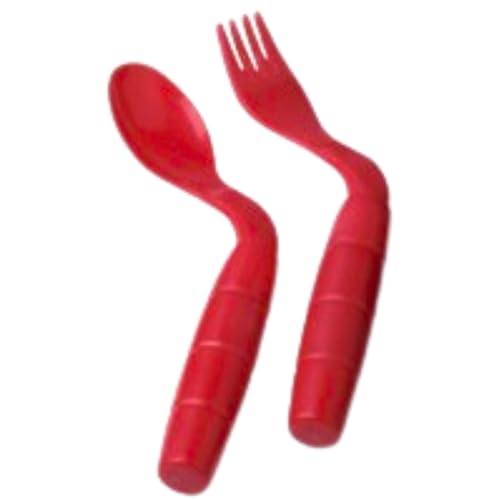
- Angled design helps with hand-to-mouth motion
- Rounded lightweight handles improve grip
- Includes both a spoon and fork
Best For: Right-handed users needing a basic adaptive utensil set for easier self-feeding
Gentle Metal Spoon
Extra Small Spoon with Plastisol Coating

- Extra-small 5 1/4-inch spoon size
- Stainless steel with smooth plastisol coating
- Designed to help protect teeth, gums, and lips
Best For: Caregivers and self-feeders needing a compact coated spoon
Textured Therapy Set

- Textured design supports oral awareness
- Smaller spoon suits kids and smaller mouths
- Includes 6 spoons, instructions, and storage bag
Best For: Therapy-focused feeding practice for kids and adults
Lip Closure Spoon

- Raised back wall signals lip closure
- Made for people who struggle to keep lips closed
- Useful for therapists and caregivers
Best For: Guided feeding and lip-closure training
Sensory Starter Spoon
TalkTools Wee Bumpy Spoons 6-Pack

- Bumpy surface adds extra oral sensory input.
- Smaller spoon size supports younger children and smaller mouths.
- Designed to encourage lip closure and self-feeding.
Best For: Smaller mouths and sensory-focused feeding practice
Textured Everyday Option
TalkTools Textured Spoons 6-Pack

- Textured surface adds oral sensory feedback.
- Shallow bowl supports lip closure at mealtime.
- Standard spoon size suits growing self-feeders.
Best For: Therapy users needing a standard spoon with added texture
Texture-Boosted Spoon Set

- Bumpy bowl adds gentle oral sensory feedback.
- Shallow design supports lip closure practice.
- Standard spoon shape works for self-feeding goals.
Best For: Therapy users needing extra texture in a standard spoon
Controlled liquid feeder – Silicone Dysphagia Liquid Feeder
If you need dysphagia feeding spoons support in a bottle-style format, this SIQITECHNO feeder is built for controlled delivery of liquids and soft foods. The squeezable body, soft spoon head, and transparent scale make it easier to manage intake while reducing spills and choking risk during assisted feeding.
Best For: Adults, seniors, and caregivers who want a soft, easy-to-control feeder for water, porridge, soup, juice, and other liquid meals.
Pros:
- Soft silicone spoon head is designed to be gentle on fragile mouths and gums.
- Squeeze bottle lets caregivers control flow rate and serving size.
- Fully disassembles for thorough cleaning, and includes a brush.
- Dustproof cap and leak-proof baffle help reduce spills and secondary contamination.
Cons:
- Not a traditional spoon, so it may not suit users who prefer standard utensils.
- Best suited to liquids and soft foods rather than thicker textured meals.
This is a practical option when controlled feeding matters more than a conventional utensil. The combination of soft materials, simple one-handed use, and easy cleaning makes it a strong caregiver tool for routine assisted meals.
Coated self-feeding spoon – Curved Youth Spoon with Plastisol Coating
For shoppers comparing dysphagia feeding spoons, this stainless steel Youth Spoon stands out for its smooth plastisol coating and easy self-feeding design. The angled shape is meant to make hand-to-mouth motion easier, while the coated surface helps protect teeth, gums, and lips during mealtime.
Best For: Children and adults who need a lightweight, coated spoon for easier self-feeding and gentler contact in the mouth.
Pros:
- Plastisol coating is designed to reduce the chance of injury to teeth, gums, and lips.
- Angled design supports easier hand-to-mouth motion.
- Lightweight and easy for caregivers or self-feeding users to handle.
- Dishwasher safe, with cold-water washing recommended to help extend life.
Cons:
- Sold individually, so it is not a multi-piece set.
- Coating may last longer with careful washing rather than hot cycles.
This spoon is a straightforward pick when you want a simple utensil rather than a feeder bottle. Its curved shape and protective coating make it useful for users who need a more forgiving spoon during assisted or independent meals.
Multi-head feeding cup – 3-in-1 Squeeze Feeder Cup
This dysphagia feeding spoon-style cup is designed for people who need more than one feeding option in a single device. With spoon, straw, and teat conversion heads, plus a squeeze-controlled bottle body, it gives caregivers flexible ways to serve water, soup, porridge, and other soft liquids.
Best For: Adults with swallowing disorders or caregivers who want one feeder that can switch between spoon, straw, and teat use.
Pros:
- Three conversion heads provide spoon, straw, and pacifier-style feeding options.
- Food-grade silicone parts are safe, washable, and can be heated or sterilized.
- Variable flow is controlled by squeezing the bottle, making one-handed use simple.
- Built-in scale helps with dosage tracking during feeding.
Cons:
- Smaller 180 ml capacity may require refilling during longer feeding sessions.
- Best for soft liquids and blended foods rather than standard solid meals.
If you want a versatile feeder for different care situations, this model offers useful flexibility without adding complexity. The interchangeable heads and easy flow control make it a practical option for day-to-day assisted feeding.
Adaptive utensil set – Right-Hand Curved Spoon and Fork Set
These curved utensils are a simple self-feeding aid rather than a specialized dysphagia feeding spoon, but the angled design can still help users who struggle with hand-to-mouth motion. With rounded handles and a lightweight plastic build, they are meant to make eating more manageable for children and adults with limited dexterity.
Best For: Right-handed children or adults who need a basic curved spoon and fork set for easier self-feeding.
Pros:
- Angled shape supports a more natural hand-to-mouth motion.
- Rounded, lightweight handles are designed for easier gripping.
- Made by an occupational therapist, with everyday self-feeding in mind.
- Includes both a spoon and fork in the set.
Cons:
- Right-handed design only, so it is not suitable for left-handed users.
- No soft coating or specialized mouth-friendly material is listed.
This set is best viewed as a basic adaptive utensil rather than a dedicated dysphagia tool. It can still be useful when the main goal is improving control and ease of use during regular meals.
Gentle Metal Spoon – Extra Small Spoon with Plastisol Coating
This dysphagia feeding spoon is built for users who need a smaller, gentler utensil at mealtime. The stainless steel body adds durability, while the smooth plastisol coating is meant to help protect teeth, gums, and lips from injury.
Best For: Caregivers, self-feeders, and anyone who needs an extra-small spoon with a soft-coated edge.
Pros:
- Extra-small size measures 5 1/4 inches long and 1 inch at the widest point
- Durable stainless steel construction with smooth plastisol coating
- Designed to help protect teeth, gums, and lips
- Dishwasher safe, with cold-water washing recommended to prolong life
Cons:
- Sold individually rather than as a set
- Cold-water washing is recommended for longer durability
For buyers comparing dysphagia feeding spoons, this option stands out for its simple, durable design and extra-small profile. It is a practical choice when protection and control matter more than added therapy features.
Textured Therapy Set – Wee Textured Spoons 6-Pack
These dysphagia feeding spoons are designed to support lip closure, oral awareness, and self-feeding during meals. The textured surface adds sensory feedback, and the smaller spoon size is made to suit smaller mouths and younger children, while still working for some adults.
Best For: Kids, toddlers, and adults who need textured feeding-therapy support and easier lip closure practice.
Pros:
- Designed by speech-language pathologists and occupational therapists
- Textured spoon adds sensory feedback for oral awareness
- Smaller Wee spoon suits smaller mouths and younger children
- Includes 6 spoons, instructions, and a reusable storage bag
Cons:
- Not recommended for individuals with a bite reflex
- Made of ABS plastic rather than metal
As a dysphagia feeding spoon option, this set focuses on therapy-driven feeding goals more than basic utensil design. It is a strong pick if you want a reusable multi-pack with added texture and guidance.
Lip Closure Spoon – Raised Back Wall Spoon
This dysphagia feeding spoon is made for people who have difficulty keeping their lips closed while eating. Its raised back wall is meant to signal when to close the lips, making it a practical tool for guided feeding and lip-closure practice.
Best For: Adults or children who need help learning lip closure while feeding themselves.
Pros:
- Raised back wall helps signal when to close the lips
- Designed for users who have difficulty keeping lips closed while eating
- Suitable for adults, children, the elderly, or disabled patients
- Useful for therapists, nurses, and other healthcare professionals
Cons:
- No material or dishwasher details are provided in the supplied notes
- More specialized than a standard everyday spoon
If you want a dysphagia feeding spoon aimed specifically at lip closure, this one has a clear, focused design. It is especially useful in care settings where teaching more efficient eating is the goal.
Sensory Starter Spoon – TalkTools Wee Bumpy Spoons 6-Pack
If you’re comparing dysphagia feeding spoons for a child or adult who needs more oral sensory input, these TalkTools Wee Bumpy Spoons focus on lip closure, oral awareness, and self-feeding practice. The smaller spoon size and bumpy surface are designed to help users draw food off the spoon with the lips while getting gentle sensory feedback at mealtime.
Best For: Smaller mouths, early self-feeding practice, and users who benefit from extra oral sensory input.
Pros:
- Bumpy texture adds gentle sensory feedback for oral awareness.
- Designed to encourage lip closure and self-feeding.
- Smaller Wee size suits kids, toddlers, and adults with smaller hands or mouths.
- Dishwasher-safe and made from FDA-compliant, food-grade silicone.
Cons:
- Not recommended for individuals with a bite reflex.
- Texture may be too stimulating for users who prefer a smoother spoon.
- Best suited to therapy goals rather than a plain everyday spoon.
Overall, this 6-pack is a practical choice when feeding support is tied to sensory input and lip movement. It’s especially useful for families and therapists looking for a spoon that combines a smaller profile with added texture.
Textured Everyday Option – TalkTools Textured Spoons 6-Pack
For buyers shopping dysphagia feeding spoons with a bit more sensory support, this TalkTools textured spoon set is built to promote lip closure and oral awareness during meals. The shallow bowl helps draw food off with the lips, while the textured surface adds feedback that may help users who need support with oral sensitivity or tongue thrust.
Best For: Self-feeding practice, oral awareness work, and users who do well with a standard spoon shape plus texture.
Pros:
- Shallow bowl is designed to encourage lip closure.
- Textured surface provides sensory feedback for oral awareness.
- Standard spoon size works for kids, toddlers, and adults.
- Dishwasher-safe and made from FDA-compliant, food-grade plastic.
Cons:
- Not recommended for individuals with a bite reflex.
- Less specialized than the smaller Wee version if you need a compact spoon.
- Texture may not suit users who want a smooth spoon.
This is a solid middle-ground option when you want a textured feeding aid without moving to a smaller spoon profile. It fits well in therapy settings where oral awareness and self-feeding goals matter.
Texture-Boosted Spoon Set – TalkTools Bumpy Spoons 6-Pack
If you’re looking at dysphagia feeding spoons that add more tactile input, this TalkTools bumpy spoon set is made to support lip closure, oral awareness, and self-feeding. The bumpy bowl gives gentle sensory feedback to help users notice food in the mouth, while the standard spoon shape keeps it familiar for growing eaters.
Best For: Users who benefit from extra texture but still want a standard-size spoon.
Pros:
- Bumpy bowl adds sensory input to support oral awareness.
- Shallow bowl design helps draw food off with the lips.
- Standard size is easy to grip for kids, toddlers, and adults.
- Dishwasher-safe and made from FDA-compliant, food-grade plastic.
Cons:
- Not recommended for individuals with a bite reflex.
- May be too textured for users who prefer minimal sensory input.
- Less compact than the Wee version for very small mouths.
This set is a useful pick when the priority is oral awareness with a familiar spoon format. It’s a straightforward therapy-oriented option for families who want extra texture without switching to a smaller utensil.
How We Picked the Best Dysphagia Feeding Spoons
We looked for Dysphagia Feeding Spoons and related feeding aids that prioritize controlled delivery, manageable scoop size, and comfort during use. We also considered features that matter in real-world care: textured surfaces for oral awareness, raised edges or backs for better food control, and designs that can support assisted or self-feeding routines.
Because dysphagia needs vary widely, we included options for liquids, purees, and soft foods, along with tools that may help users with oral-motor practice or lip closure support. Materials, handle shape, and ease of cleaning were also part of the selection lens.
Quick Comparison
For assisted feeding, cups with flow-control features may be preferable when the goal is careful portioning of liquids or thin purees. For self-feeding practice, spoon shapes that are small, shallow, curved, or textured can help users manage bite size and improve sensory feedback.
Some products are better suited to children or smaller mouths, while others are designed with adults in mind. If you need a daily-use tool, focus on a spoon that matches the person’s hand control, oral sensitivity, and the texture of foods being served.
Key Buying Factors for Dysphagia Feeding Spoons
Spoon Size and Shape
A smaller bowl can reduce bolus size and make swallowing easier to manage. Curved or shallow spoons may help with food placement and reduce the chance of overfilling.
Material and Texture
Soft-coated, textured, or bumpy designs can improve comfort and oral awareness, but the right choice depends on sensory tolerance. Some users prefer a smooth surface, especially if they are sensitive to texture.
Assisted Vs. Independent Use
Consider whether the spoon will be used by a caregiver or by the eater. Caregiver-led feeding often benefits from greater control and a more stable shape, while independent users may need a lighter, easier-to-grip design.
Food and Liquid Compatibility
Not every spoon is ideal for every consistency. Purees, porridge, and thicker liquids usually need different handling than soft solids, so choose a tool that matches the typical meal texture.
Who Should Buy Which Dysphagia Feeding Spoons?
If the priority is careful liquid or puree delivery, choose a feeding cup or flow-control style aid. If the goal is oral-motor support or sensory practice, textured Dysphagia Feeding Spoons may be a better fit. For children and smaller mouths, compact models are often easier to manage; for adults, look for stronger control, comfortable handles, and a size that suits the person’s feeding plan.
When in doubt, select the least restrictive option that still supports safe, comfortable eating—and consult a speech-language pathologist or occupational therapist when feeding safety is a concern.