Choosing adaptive clothing for seniors can make daily dressing easier, faster, and more comfortable for both the wearer and caregiver.
The right pieces reduce bending, pulling, and painful repositioning while supporting mobility, recovery, and independence.
Best 10 Adaptive Clothing for Seniors Picks for 2026
Best for Recovery-Friendly Dressing
Deyeek Tear Away Snap Back Gown

- Snap-open back for easier dressing and care
- Soft, comfortable feel for recovery or sleep
- Handy for post-shoulder-surgery use
Best For: Seniors recovering from shoulder surgery or caregivers who need quick, easy dressing access.
Best for Staying Covered
EzrAllora Double Layer Poncho Blanket
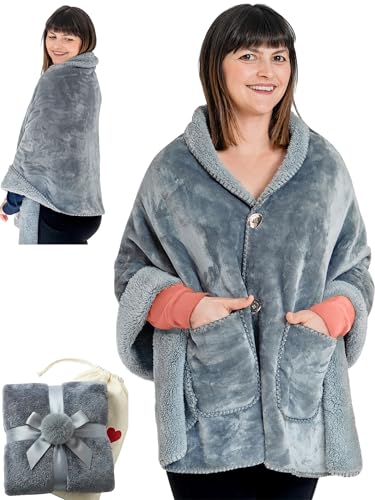
- Sleeveless poncho design keeps arms free
- Double-layer sherpa-fleece adds cozy warmth
- Front buttons help it stay in place
Best For: Older adults who want a warm, easy-on wrap for lounging, reading, or recovery.
Best for Anti-Strip Protection
Men's Adaptive Anti-Strip Jumpsuit

- Helps prevent unwanted undressing
- Back YKK zipper supports caregiver access
- One-piece design for dementia care routines
Best For: Men who need secure, caregiver-friendly adaptive clothing for dementia or Alzheimer’s care.
Best for Post-Op Mobility

- Tear-away sides simplify dressing and caregiving
- Wide-leg fit supports comfort during recovery
- Good choice for hip, knee, or ankle surgery
Best For: Seniors recovering from surgery who need easy-to-wear pants with minimal bending and strain.
Best for Discreet Back Coverage
Men’s Open-Back Adaptive No-Peek Tee

- Open-back design simplifies dressing and changes
- No-peek coverage helps preserve modesty
- Graphic tee style looks more like standard casual wear
Best For: Older adults and caregivers who want easier dressing with extra back coverage.
Best for Assisted Dressing
Silverts Women’s Open Back Half-Zip Track Top

- Open-back design for easier dressing
- Half-zip front for quick adjustment
- Comfortable casual style for daily wear
Best For: Older adults and caregivers who need an easy-on, easy-off top for assisted dressing.
Best for Easy Dressing
Deyeek Tear Away Pants with Side Snaps

- Side-snap open bottoms for quick dressing
- Loose fit for comfort during recovery or lounging
- Pockets add everyday practicality
Best For: Seniors and caregivers who need simple, easy-on pants for mobility challenges or post-surgery recovery.
Best with Extra Features
Silverts Men’s Open Back Adaptive Pants

- Open-back design supports caregiver-assisted dressing
- Useful for wheelchair users, rehab, and nursing homes
- Reduces bending and pulling during clothing changes
Best For: Men who need easier dressing assistance in care settings or recovery.
Best for Catheter Care
Silvert's Men's Side Zip Pants

- Side-zip design reduces dressing strain
- Catheter access supports care routines
- Practical everyday option for older men
Best For: Older men who need easy dressing support and discreet catheter access.
Best Simple Pick
Silverts Men’s Open-Back Pants

- Open-back design for caregiver-assisted dressing
- Wheelchair-friendly for limited mobility
- Suited to nursing home and rehab use
Best For: Men who need easy, assisted lower-body dressing in care settings.
Best for Recovery-Friendly Dressing – Deyeek Tear Away Snap Back Gown
If you need adaptive clothing for seniors that makes dressing easier after surgery or during limited mobility, this tear-away snap back gown is a practical choice. It’s designed to open in the back for faster caregiving access while still feeling like a simple nightgown for everyday wear.
Best For: Seniors recovering from shoulder surgery, caregivers who need quick dressing access, and anyone who wants a soft, easy-to-manage adaptive gown.
Pros:
- Snap-open back supports easier dressing and personal care
- Soft design is more comfortable for recovery and lounging
- Useful as both a hospital gown and everyday adaptive nightgown
Cons:
- Snap-back style may not suit everyone’s preferred level of coverage
- More recovery-focused than a standard sleepwear option
This is a strong pick if you want adaptive clothing for seniors that prioritizes convenience, comfort, and caregiver access over fashion details. It fits especially well for post-op routines where easy changes matter most.
Best for Staying Covered – EzrAllora Double Layer Poncho Blanket
If you want adaptive clothing for seniors that feels more like a cozy wrap than a medical garment, this poncho-style blanket is a practical pick. It slips on easily, keeps the shoulders and back covered, and leaves the arms free for reading, TV, typing, or light daily tasks.
Best For: Older adults who get cold easily and need an easy-on, easy-off layer for home, travel, or recovery.
Pros:
- Double-layer sherpa and micro-fleece construction adds warmth without feeling bulky.
- Sleeveless, drape-and-go design keeps arms free and avoids overhead dressing.
- Two front buttons help it stay in place better than a loose throw blanket.
- Handy pockets make it more functional for lounging around the house.
Cons:
- Not a true clothing replacement for outings or structured wear.
- One-size style may not suit every body shape equally well.
- Best for warmth and convenience, not for full coverage in very cold conditions.
Overall, this is a strong comfort-first option for adaptive clothing for seniors when the goal is warmth, simplicity, and less fuss. It works especially well for anyone who wants coverage without sleeves, zippers, or constant blanket readjusting.
Best for Anti-Strip Protection – Men's Adaptive Anti-Strip Jumpsuit
SPOFOR Men's Adaptive Anti-Strip Jumpsuit Dementia Alzheimer Special Needs Adult
Check Price On AmazonThis men’s adaptive jumpsuit is designed for caregivers who need practical, secure adaptive clothing for seniors with dementia or Alzheimer’s. The back YKK zipper and one-piece design help simplify dressing while reducing the chances of undressing or diaper removal.
Best For: Men who need a secure, caregiver-friendly outfit that supports anti-strip protection, supervised dressing, and everyday comfort in memory care settings.
Pros:
- Anti-strip design helps discourage unwanted undressing
- Back zipper supports faster caregiver-assisted changes
- One-piece style can make dressing feel more streamlined
- Useful for dementia, Alzheimer’s, and special needs care
Cons:
- Not a casual all-purpose outfit for independent wear
- Fit and comfort may depend on correct sizing
- Primarily designed for care needs rather than style variety
For caregivers prioritizing supervision, security, and easier routines, this is a purpose-built option in adaptive clothing for seniors. It’s less about fashion and more about reducing stress during daily care.
Best for Post-Op Mobility – Deyeek Tear Away Capri Pants
Deyeek’s tear-away capri pants are a practical pick for adaptive clothing for seniors when dressing needs to be faster, easier, and less painful after surgery or during limited mobility. The side-open design is meant to reduce bending and lifting, while the wide-leg fit helps keep the pants comfortable for daily wear and recovery.
Best For: Seniors recovering from hip, knee, or ankle procedures who need easy on-and-off pants with minimal strain.
Pros:
- Tear-away side openings make dressing and medical access simpler
- Wide-leg capri cut offers a roomy, comfortable fit
- Useful for post-surgery recovery and physical therapy routines
Cons:
- Style is more functional than fashion-forward
- Capri length may not suit colder weather
- Fit can depend on the wearer’s preferred rise and sizing
Overall, this is a straightforward adaptive option for seniors who want less fuss during recovery without giving up everyday pants wear. If your priority is convenience and reduced dressing strain, these are a sensible addition to an adaptive clothing for seniors shortlist.
Best for Discreet Back Coverage – Men’s Open-Back Adaptive No-Peek Tee
This men’s open-back tee is a practical pick for adaptive clothing for seniors who need easier dressing without sacrificing everyday comfort. The open-back design helps reduce pulling, twisting, and over-the-head dressing, while the no-peek coverage aims to keep the fit looking more natural under supervision or caregiving routines.
Best For: Older adults, caregivers, and assisted-living settings where quick changes and modest coverage matter.
Pros:
- Open-back construction makes dressing easier for limited mobility.
- No-peek design offers more coverage than standard adaptive tees.
- Graphic tee styling looks more like regular casual wear.
Cons:
- Open-back styles may not suit users who want a fully traditional tee fit.
- Graphic design may be less versatile than a plain shirt.
For shoppers comparing adaptive clothing for seniors, this tee stands out for blending easier caregiving access with a familiar everyday look. It’s a solid option when comfort, dignity, and faster dressing are the top priorities.
Best for Assisted Dressing – Silverts Women’s Open Back Half-Zip Track Top
If you’re comparing adaptive clothing for seniors, this Silverts women’s top is designed to make dressing simpler while still looking like a casual track jacket. The open-back style reduces pulling and overhead strain, and the half-zip front adds flexibility for comfort and layering.
Best For: Older adults, caregivers, or anyone who needs a easy-on, easy-off top for assisted dressing and everyday wear.
Pros:
- Open-back design helps minimize shoulder movement during dressing
- Half-zip front makes it easier to adjust fit and temperature
- Comfortable pullover styling works well for casual daily use
Cons:
- Open-back construction may not suit users who prefer standard closures
- More of a practical comfort piece than a polished fashion jacket
This is a strong choice if you want adaptive clothing for seniors that prioritizes dressing ease without sacrificing a familiar, sporty look. It’s especially useful when caregiver assistance is part of the routine.
Best for Easy Dressing – Deyeek Tear Away Pants with Side Snaps
Deyeek’s tear-away pants are a practical pick for adaptive clothing for seniors who need easier dressing, quicker bathroom access, or more comfortable recovery wear. The side-snap open bottoms make them simpler to put on and remove than standard sweatpants, while the loose fit keeps them usable for everyday lounging and post-surgery needs.
Best For: Seniors, caregivers, and anyone who needs fast on/off pants for recovery, limited mobility, or assisted dressing.
Pros:
- Side snaps make dressing and undressing much easier than pull-on pants
- Loose fit is comfortable for recovery, lounging, and everyday wear
- Pockets add practical storage for small essentials
- Useful for post-surgery situations and caregiver assistance
Cons:
- Style is more functional than tailored
- May not suit users who want a fitted or dressier look
- Snap closures may feel less convenient than full zippers for some users
Overall, these pants are a straightforward, comfort-first option in adaptive clothing for seniors, especially when accessibility matters more than fashion. If easy dressing and quick removal are the priorities, they’re worth a close look.
Best with Extra Features – Silverts Men’s Open Back Adaptive Pants
For shoppers comparing adaptive clothing for seniors, these Silverts men’s open-back pants are built around easier dressing and better access for caregivers. The open-back design can help reduce strain during changes, making them a practical choice for rehab, nursing home use, or wheelchair users who need frequent assistance.
Best For: Men who need assisted dressing pants for wheelchair use, rehab, or long-term care.
Pros:
- Open-back design makes caregiver-assisted dressing simpler and faster
- Suited for wheelchair users, rehab recovery, and nursing home routines
- Helpful for reducing bending, pulling, and repositioning during changes
Cons:
- Not a standard everyday pant style for independent wear
- Open-back construction may feel too specialized for some buyers
Overall, this is a purpose-built option within adaptive clothing for seniors, especially when ease of dressing matters more than a traditional look. If the priority is caregiver convenience and comfort during assisted changes, it’s a strong, practical pick.
Best for Catheter Care – Silvert's Men's Side Zip Pants
When you need adaptive clothing for seniors that makes dressing easier without sacrificing practicality, these Silvert’s men’s side zip pants are built around access and convenience. The side-zip design helps reduce bending and pulling, while the catheter-access feature adds a useful layer of day-to-day comfort for managed care routines.
Best For: Older men who need easy dressing support and discreet catheter access in everyday pants.
Pros:
- Side-zip construction simplifies dressing and undressing
- Catheter access adds convenience for care needs
- Designed for practical, discreet everyday wear
Cons:
- More specialized than standard casual pants
- May not suit buyers who don’t need medical-access features
For shoppers comparing adaptive clothing for seniors, this pair stands out as a focused solution for mobility and care support rather than a general-purpose style piece. It is a sensible pick when access, comfort, and simpler dressing matter more than fashion extras.
Best Simple Pick – Silverts Men’s Open-Back Pants
Silverts Men’s Adaptive Clothing Open Back Pants are designed for easier dressing when mobility is limited, making them a practical choice for adaptive clothing for seniors in care settings or at home. The open-back design helps caregivers dress and undress more efficiently while keeping the fit appropriate for wheelchair users and rehab recovery.
Best For: Men who need assisted dressing, especially wheelchair users, nursing home residents, and rehab patients.
Pros:
- Open-back design supports fast, caregiver-assisted changing
- Helpful for wheelchair seating and limited lower-body mobility
- Made for nursing home, rehab, and home care use
- More dignified than improvised clothing solutions
Cons:
- Designed for assisted dressing, not independent wear
- Style and function are very specific to care needs
For buyers comparing adaptive clothing for seniors, this is a straightforward solution that prioritizes access, comfort, and caregiver convenience over fashion details. It is most useful when dressing assistance is a daily need rather than an occasional one.
How We Picked the Best Adaptive Clothing for Seniors
We focused on designs that genuinely simplify dressing: open-back access, snap or side-zip closures, tear-away construction, wheelchair-friendly cuts, and fabrics that balance comfort with practicality. We also looked for options suited to common needs such as post-surgery recovery, limited mobility, dementia care, and assisted dressing.
Quick Comparison: What Each Style Does Best
Different adaptive garments solve different problems. Open-back tops, gowns, and pants are ideal when a person cannot lift arms or legs easily. Tear-away and snap-open designs work well for caregivers who need fast changes. Side-zip and catheter-access pants are more specialized, making them useful for medical equipment, rehab, or incontinence care. Poncho-style layers are a simple solution for warmth without sleeves or tight arm openings.
Key Buying Factors for Adaptive Clothing for Seniors
Closures and Access
Look for closures that match the wearer’s needs. Snaps, zippers, hook-and-loop panels, and open-back designs each affect how easy the garment is to put on, remove, and manage during hygiene or medical care.
Fit and Mobility
Choose relaxed silhouettes with enough room for sitting, transfers, and swelling. Wheelchair users often benefit from seated comfort, higher backs, and pants that avoid bunching behind the knees or hips.
Fabric and Comfort
Soft, breathable, and washable materials matter for all-day wear. Gentle seams, nonbinding waistbands, and lightweight stretch can help reduce skin irritation and improve comfort for sensitive users.
Care Needs and Use Case
Match the clothing to the situation. Hospital stays, home recovery, dementia care, nursing homes, and everyday lounging all call for different levels of access, coverage, and durability.
Who Should Buy Which Adaptive Clothing for Seniors?
Caregivers helping someone after surgery may prefer tear-away gowns, snap-open tops, or easy-access pants. For seniors with dementia or wandering risk, secure adaptive jumpsuits can add peace of mind. Wheelchair users and rehab patients often do best with open-back bottoms and seated-friendly fits. For someone who simply wants easier layering and less strain, ponchos, pullovers, and soft adaptive tees can offer a low-fuss upgrade.
In short, the best choice depends on mobility, medical access, and how much assistance is needed each day. Prioritize ease of dressing first, then look at comfort, coverage, and laundering to find the most practical option.