When someone with Alzheimer’s may wander or struggle to explain where they live, a wearable can help others contact a caregiver or help a caregiver locate them. But not every “tracking bracelet” actually tracks: some store emergency details for a bystander to scan.
These seven options span NFC medical ID bands, phone-linked locators, and feature-rich safety wearables. The right choice depends on how the person will wear it, what coverage it needs, and who will respond to an alert.
Best 7 Alzheimers Tracking Bracelets Picks for 2026
Best Scan-to-Share Medical ID

- Tap to view an updateable medical profile
- Shares location with Care Circle when scanned
- Battery-free; no monthly subscription
Best For: Scan-triggered emergency information and location sharing
Best Find My Wristband

- Find My location updates without a SIM
- Sound alert and left-behind notifications
- Adjustable band; up to one-year battery
Best For: iPhone households seeking a subscription-free wearable locator
Best Multiple Scan Options

- NFC, QR, and ID/PIN profile access
- Scan-triggered location alerts to contacts
- Waterproof band; nine-language translation
Best For: Emergency identification with multiple access methods
Scan-to-Alert Pick

- QR or NFC access to a digital medical ID
- Scan sends contacts an email with a location link
- Profile updates have no subscription fee
Best For: Bystander-assisted identification and contact alerts
One-Touch Safety Pick
ResQ Maitri Bluetooth Bracelet

- Button starts live location sharing
- GPS works through a smartphone
- Silent alerts or audible alarm
Best For: Adults able to trigger their own safety alert
Geofence Watch Pick
Yihou Fall Detection GPS Watch
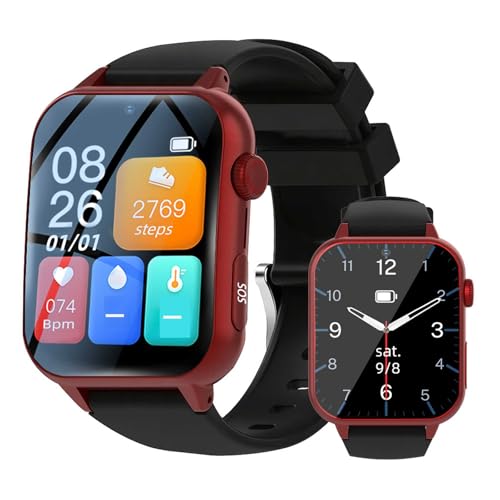
- GPS, Wi-Fi and LBS positioning
- Geofence and automatic fall alerts
- Video calls and magnetic charging
Best For: Families wanting proactive wandering and fall alerts
Best Scan-to-Share Medical ID – Nomo NFC Medical ID Bracelet
Among alzheimers tracking bracelets, the Nomo is a medical ID rather than a continuous tracker. An NFC-enabled phone can tap it to view emergency details without installing an app, and a scan can share the wearer’s location with their Care Circle.
Best For: Families who want accessible medical information and location sharing when someone scans the bracelet.
Pros:
- Stores conditions, medications, allergies, and emergency contacts in an updateable profile.
- Scan-triggered location sharing helps caregivers respond without broadcasting location continuously.
- Battery-free NFC, no monthly subscription, and an adjustable, water-resistant silicone band.
Cons:
- Does not provide continuous location tracking; someone must scan it first.
- Access requires an NFC-enabled smartphone.
This is a practical choice for emergency identification, but caregivers seeking proactive wandering alerts should consider a dedicated location device.
Best Find My Wristband – Wgluupk Find My Tracker
For shoppers comparing alzheimers tracking bracelets, this Wgluupk tracker places an Apple Find My-compatible locator in an adjustable silicone wristband. It uses the Find My network to report location without a SIM card or monthly fee, making it most useful for caregivers who already use an iPhone.
Best For: iPhone-using caregivers who want a wearable Find My locator with no recurring subscription.
Pros:
- Works in Apple’s Find My app and can update its location when Apple devices pass nearby.
- Offers a sound alert for close-range searches and left-behind notifications.
- Adjustable wristband, IP68-rated resistance, and up to one year of battery life under normal use.
Cons:
- Requires Apple’s Find My ecosystem rather than offering Android support.
- Location updates rely on nearby Apple devices; it is not an independent cellular GPS tracker.
The low-maintenance wristband is appealing for everyday locating, but its network-dependent updates are an important distinction from dedicated cellular tracking.
Best Multiple Scan Options – TapMedID Medical ID Bracelet
The TapMedID offers a different approach to alzheimers tracking bracelets: it helps another person identify the wearer and contact family after a scan, rather than monitoring movement continuously. Emergency information is accessible by NFC, QR code, or secure ID/PIN without requiring the scanner to install an app.
Best For: Wearers who need an updateable medical profile and scan-triggered contact alerts with several ways to access it.
Pros:
- Provides NFC, QR, and ID/PIN access to an online medical profile.
- Can alert chosen contacts by text, email, or phone call with location when scanned.
- Waterproof, adjustable silicone band; no subscription required.
- Profile information can be updated and automatically translated into nine languages.
Cons:
- Location alerts depend on someone scanning the bracelet; there is no continuous tracking.
- The online profile must be kept current to remain useful.
Its backup access methods and multilingual profile stand out for emergencies, provided a scan-based system fits the family’s safety plan.
Best Simple iOS Option – Find My Mini Locator Wristband
This wrist-worn locator is a straightforward option among alzheimers tracking bracelets for families already using iOS. The supplied notes say it works through Apple’s Find My app, includes waterproof watch bands, and does not charge a monthly subscription.
Best For: iOS users who want a basic wearable location finder without an additional app or recurring fee.
Pros:
- Uses the existing Find My app on an iOS device.
- Includes waterproof watch bands for everyday wear.
- No monthly subscription is listed.
Cons:
- Compatibility is listed for iOS devices, not Android.
- Despite the GPS wording in the listing, the stated connectivity is Bluetooth; independent cellular tracking is not specified.
- The supplied notes do not specify battery life or caregiver alert features.
Consider it for simple Find My-based locating, while checking that its unspecified alert and battery details meet your caregiving needs.
Scan-to-Alert Pick – NFC & QR Medical ID Bracelet
Among alzheimers tracking bracelets, this silicone medical ID is a scan-based option, not a continuous GPS tracker. When someone scans its QR code or taps its NFC feature, they can access the wearer’s digital ID and trigger an email to preset contacts with a location link.
Best For: Families who want a wearable emergency ID that a bystander can use without downloading an app.
Pros:
- QR and NFC give helpers two ways to access the profile.
- Emergency contacts and medical details can be updated without a subscription fee.
- Waterproof silicone is designed for around-the-clock wear.
Cons:
- Location alerts depend on someone scanning or tapping the bracelet.
- It does not provide continuous location tracking or geofence alerts.
This is a practical identification and reunion aid when a stranger stops to help. Choose an active GPS device instead if your priority is finding a wearer before anyone scans their band.
For shoppers comparing alzheimers tracking bracelets, the ResQ Maitri is better understood as a personal safety bracelet. A single touch starts live location sharing with emergency contacts for up to 24 hours, using a paired smartphone for GPS.
Best For: Adults who can activate an alert themselves and want discreet, jewelry-style safety features.
Pros:
- One-touch activation starts location sharing with emergency contacts.
- Offers silent alerts or an audible alarm.
- Can capture periodic ambient audio, depending on phone capabilities.
Cons:
- GPS comes from a smartphone, so this is not a standalone tracker.
- Activation requires a button press; no automatic wandering or geofence alert is specified.
- Not water resistant.
Its strengths are discreet, wearer-initiated alerts rather than passive monitoring. The included month of Safety Enrollment is worth noting, but check ongoing service terms before relying on its premium features.
Of these alzheimers tracking bracelets, the Yihou smartwatch has the most directly relevant wandering features: GPS, Wi-Fi and LBS positioning, plus electronic fences that notify family when the wearer leaves a set area. It also lists automatic fall alerts and an SOS function.
Best For: Families seeking location and boundary alerts alongside fall detection and calling features in one watch.
Pros:
- Geofence alerts help flag departures from designated areas.
- Fall detection can send alerts without the wearer pressing a button.
- Video calls, voice messages and a voice-broadcast menu support communication.
- Magnetic charging and low-battery notifications help with upkeep.
Cons:
- Requires charging to keep its tracking and alerts available.
- Multiple watch and app features may be more involved than a simple medical ID band.
This is the strongest fit here for proactive location monitoring, provided the wearer will keep the watch on and caregivers can manage its settings and charging. Confirm connectivity requirements before purchase; the supplied details do not specify a cellular plan.
How We Picked the Best Alzheimers Tracking Bracelets
We focused on seven products marketed for emergency identification, location sharing, caregiver alerts, or a combination of those needs. We compared their stated functions, form factors, and practical requirements rather than treating every bracelet as a live GPS tracker. Product listings do not establish real-world accuracy, battery life, or reliability, so verify current specifications and app support before purchasing.
Quick Comparison: What Each Type Does
NFC and QR medical ID bands make an emergency profile available when someone scans the bracelet. A location notification, where offered, generally depends on that scan and the scanning phone—not continuous tracking. They suit people who need visible identification without charging a wearable.
Phone-linked locators and Bluetooth safety bracelets may provide location or alert features, but their usefulness depends on a nearby compatible phone, connected devices, or a supported network. Check the actual range and setup requirements, especially when the wearer goes out alone.
GPS-equipped watches or bands may offer live location, geofencing, SOS, calls, or fall alerts. Confirm whether they require cellular service, a SIM, Wi-Fi, a subscription, or regular charging. “No monthly fee” does not necessarily mean location updates work everywhere without connectivity.
Key Buying Factors for Alzheimer’s Tracking Bracelets
Location Method and Coverage
Ask whether the device uses standalone GPS with cellular data, a paired phone, Bluetooth proximity, or a scanned ID profile. Then check what happens indoors, outside mobile coverage, and when the wearer leaves a phone behind. Look for clearly stated update intervals and location-history features if caregivers need them.
Alerts and Caregiver Workflow
Geofences, SOS buttons, and fall detection are useful only if alerts reach the right person promptly. Check which phones receive notifications, whether multiple caregivers can share access, and whether an alert requires the wearer to press a button. Fall detection should be treated as a backup, not a guarantee.
Comfort, Charging, and Privacy
Choose a band the wearer will tolerate daily, with a secure fit and an easy-to-read or scan emergency ID. Compare battery demands, water-resistance claims, app permissions, and how emergency-contact or location data is shared. Test the full setup before relying on it.
Who Should Buy Which Alzheimers Tracking Bracelets?
Choose an NFC or QR bracelet when the main goal is helping a bystander identify the wearer and contact family. Choose a phone-linked wearable only when its connectivity requirements match the wearer’s routine. Consider a GPS-capable watch or band when caregivers need proactive location checks or boundary alerts and can manage charging and service. For greater peace of mind, pair any tracker with a clear medical ID and a practical plan for responding if someone goes missing.