A bedwetting alarm can alert a sleeper or caregiver when moisture is detected, helping limit time spent in wet bedding. For seniors, the right choice depends on whether the alarm needs to wake the wearer, notify someone nearby, or do both.
These eight options include wearable sensors and bed-pad systems. Here’s how to compare them for comfort, hearing needs, nighttime mobility, and cleanup.
Best 8 Bedwetting Alarms for Seniors Picks for 2026
Best Wearable Receiver
Wireless Bedwetting Alarm with Wrist Alert
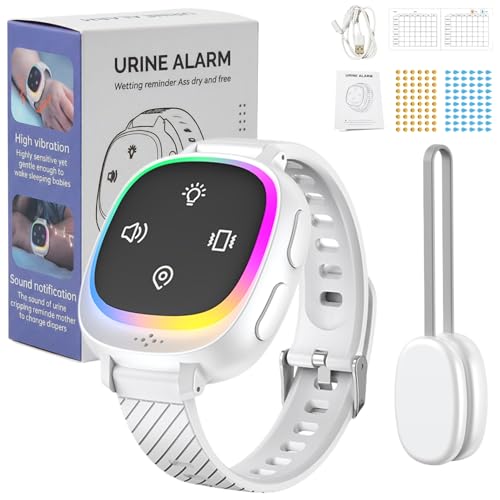
- Wrist-worn wireless receiver
- Multiple sound, vibration, and light options
- Rechargeable with app-based anti-loss tracking
Best For: Seniors who prefer a wearable alert
Best for Caregiver Alerts
PILSAMAS Wireless Incontinence Alarm

- Remote receiver with up to 164-foot stated range
- Beep, vibration, and combined alerts
- 30-, 60-, and 90-minute timers
Best For: Caregivers who want wetness alerts and timed prompts
Best Mattress Pad System

- Machine-washable waterproof sensor pad
- No sensor attached to clothing
- Four alarm settings, including light only
Best For: Users who prefer an under-body pad to a wearable sensor
Best Basic Wireless Option

- Wireless moisture-sensor design
- Up to 100-foot stated signal range
- USB recharging described in listing
Best For: Adults willing to verify sensor and alert details before buying
Best Bedside Pad System
- Two washable waterproof sensor pads
- Four alert settings and flashing LED
- No clothing-mounted sensor
Best For: Seniors who prefer a bedside monitor and under-body pad
Best Clip-On Mode Selection
CINQALETHE Wireless Bedwetting Alarm

- Sound, vibration, or combined alerts
- Wireless clip-on moisture sensor
- LED status display
Best For: Seniors wanting selectable alerts without a bedside cable
Best Soft-Sensor Option
DOVERC Wireless Bedwetting Alarm
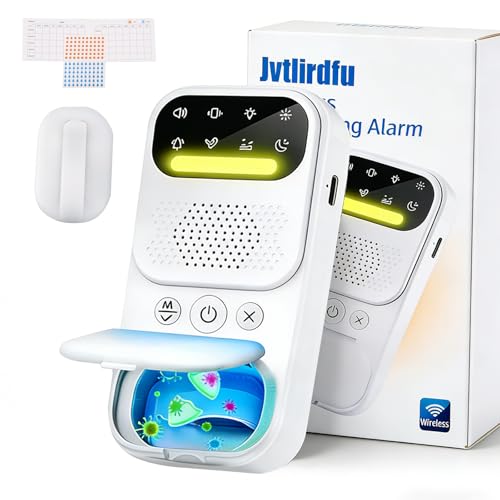
- Cordless, lightweight sensor
- Sound and vibration alerts
- Type-C rechargeable; up to 20 days advertised
Best For: Seniors prioritizing a soft wearable sensor
Best Remote-Receiver Option
Wireless Bedwetting Alarm with 10-Meter Range
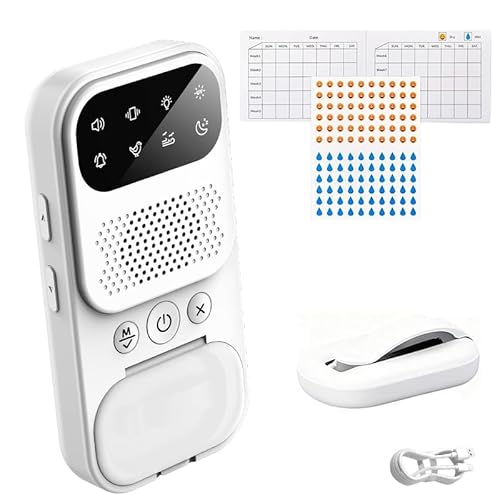
- Listed receiver range up to 10 meters
- Compact wireless underwear clip
- USB-C receiver; up to 20 days advertised
Best For: Households needing a receiver positioned away from the bed
Best Wearable Receiver – Wireless Bedwetting Alarm with Wrist Alert
For shoppers comparing bedwetting alarms for seniors, this wireless kit offers a wrist-worn receiver and a clip-on moisture sensor instead of a cable running to a bedside alarm. It is marketed for adults and elderly users as well as children, though some included training materials are child-focused.
Best For: Seniors who prefer a wearable alert and can manage a clip-on sensor.
Pros:
- Wireless sensor and lightweight wrist receiver allow movement without a cord between them.
- Sound, vibration, light, and combined sound-and-vibration alerts offer several notification options.
- Rechargeable kit includes USB-C charging and app-based anti-loss tracking.
Cons:
- Progress chart and stickers are geared toward children rather than senior care.
- The stated standby time varies within the supplied product information, so charging expectations are unclear.
This is a practical option when the person wearing the sensor should receive the alert directly. Check that the wrist format and sensor placement suit the user’s nighttime routine.
Best for Caregiver Alerts – PILSAMAS Wireless Incontinence Alarm
Among bedwetting alarms for seniors, the PILSAMAS stands out for its caregiver-oriented setup. A small probe clips inside underwear, while its transmitter stays outside; the wireless receiver can be carried or placed nearby, with a stated transmission range of up to 164 feet.
Best For: Seniors and caregivers who want remote wetness alerts plus scheduled reminders.
Pros:
- Receiver offers vibration, beep, or combined notifications.
- 30-, 60-, and 90-minute timers add scheduled prompts alongside moisture detection.
- LED display shows battery, mode, and timer; the included charging station keeps components together.
- Operates offline without requiring an app.
Cons:
- The probe and outside transmitter are joined by a short cable, so the wearable portion is not entirely wire-free.
- The 164-foot range is a stated maximum; placement may matter in a multi-room setup.
This is the most caregiver-focused choice in the group if timed prompts are useful. Its split sensor design is worth considering for anyone sensitive to clips or cables on clothing.
Best Mattress Pad System – Wet Detective Bedwetting Kit
Wet Detective Bedwetting Kit, Incontinence & Bedwetting Alarm System, Includes 1 Sensor Pad
Check Price On AmazonIf clothing-mounted sensors are inconvenient, this entry in the bedwetting alarms for seniors category takes a different approach: a waterproof sensor pad rests beneath the user and connects by cable to a bedside alarm. The pad is machine washable, and no wires attach to clothing.
Best For: Bed-bound users or anyone who prefers a bedding sensor over a wearable clip.
Pros:
- Machine-washable, waterproof sensor pad detects moisture without attaching to apparel.
- Four alarm settings range from light only to a loud alarm.
- Bedside monitor includes a flashing LED response button.
Cons:
- The pad must remain connected to the bedside alarm by cable.
- Requires two AA batteries, which are not included.
- Any type of moisture can activate the pad.
Choose this system when avoiding a body-worn sensor matters more than wireless movement. Its bedside placement and adjustable alerts make it especially relevant to a consistent sleeping setup.
Best Basic Wireless Option – Vastaint Bedwetting Alarm
For buyers looking through bedwetting alarms for seniors, the Vastaint is a wireless moisture-sensor option marketed for both children and adults. Its listing highlights USB recharging and a stated signal range of up to 100 feet, but provides fewer setup and alert details than the other products here.
Best For: Adults seeking a straightforward wireless alarm who can confirm its alert and sensor setup before purchase.
Pros:
- Wireless design avoids a cable between the sensing device and the alarm.
- Stated wireless range is up to 100 feet.
- Listing describes USB recharging.
Cons:
- Supplied information does not specify alert modes or how the sensor attaches.
- The listing mentions both USB recharging and included batteries, leaving the power arrangement unclear.
The wireless range may appeal if the receiver needs to sit away from the bed. Confirm the notification method, sensor placement, and charging requirements before relying on it for nighttime care.
Best Bedside Pad System – Wet Detective Bedwetting Kit
For shoppers comparing bedwetting alarms for seniors, the Wet Detective kit offers a bedside monitor connected to a waterproof pad placed under the sleeper. It requires no sensor clipped to clothing, which may appeal to anyone who finds wearable devices uncomfortable.
Best For: Seniors who prefer an under-body pad and bedside alert over a wearable sensor.
Pros:
- Includes two waterproof, machine-washable sensor pads.
- Offers four alarm settings, from light-only to a loud alarm, plus a flashing LED.
- Pad helps protect the mattress from accidents and spills.
Cons:
- The pad connects to the bedside unit by cable.
- Requires two AA batteries, which are not included.
This is the most straightforward pad-based choice here if avoiding clothing clips matters more than going wireless. Its one-year manufacturer’s warranty applies to the alarm unit only.
Best Clip-On Mode Selection – CINQALETHE Wireless Bedwetting Alarm
Among bedwetting alarms for seniors, this CINQALETHE model is a wireless clip-on option for shoppers who want to choose how they are alerted. Its three modes are sound, vibration, and both together, while an LED display shows the selected mode and battery level.
Best For: Seniors comfortable with a clothing clip who want a choice of sound or vibration alerts.
Pros:
- Wireless design avoids a cable running from the sleeper to a bedside unit.
- Three alert modes offer flexibility for different sleep preferences.
- LED display makes mode and battery status easy to check.
- Advertised battery life is up to 20 days per charge.
Cons:
- The moisture sensor must be clipped onto clothing.
- The product description emphasizes children’s nighttime training, so its fit for a senior’s routine is worth assessing.
Choose this one if adjustable alerts and a visible status display are priorities. The clip-on sensor is the main trade-off compared with an under-body pad.
Best Soft-Sensor Option – DOVERC Wireless Bedwetting Alarm
For bedwetting alarms for seniors, the DOVERC model stands out for its cordless design and soft sensor, which the supplied description says is suitable for adults as well as younger users. It combines moisture detection with sound and vibration alerts and a soft night light.
Best For: Seniors seeking a lightweight, wearable sensor with sound and vibration alerts.
Pros:
- Cordless design allows movement without a connecting cable.
- Soft sensor is described as gentle on sensitive skin.
- Type-C rechargeable battery is advertised to run up to 20 days per full charge.
Cons:
- The sensor is worn rather than placed beneath the sleeper.
- Included progress cards and stickers are geared toward children’s training and may be unnecessary for adult use.
This is a reasonable wearable choice when sensor softness matters. Its child-focused extras should not be mistaken for features specifically designed around senior care.
Best Remote-Receiver Option – Wireless Bedwetting Alarm with 10-Meter Range
For shoppers looking at bedwetting alarms for seniors with a receiver that can sit away from the sleeper, this wireless model lists a reception range of up to 10 meters. Its small moisture sensor clips onto underwear, and the receiver charges by USB-C.
Best For: Households wanting a clip-on sensor and a wireless receiver that can be positioned away from the bed.
Pros:
- Wireless receiver has a listed maximum range of 10 meters.
- Compact clip-on sensor avoids a cable attached to the sleeper.
- USB-C rechargeable receiver is advertised to last up to 20 days per charge.
Cons:
- Requires clipping the sensor to underwear.
- Included progress cards and stickers are aimed at children rather than senior users.
- The title mentions eight working modes, but the supplied notes do not explain what those modes are.
Its stated receiver range is the clearest reason to consider it. Before buying, check whether the underwear clip and alert setup suit the intended user’s nightly routine.
How We Picked the Best Bedwetting Alarms for Seniors
We focused on the differences that matter most in daily use: wearable versus bed-pad detection, available sound and vibration alerts, wireless convenience, sensor placement, power and charging, and whether a caregiver can respond easily. The selected products include both single- and two-pad Wet Detective kits and several wearable wireless models. Product listings do not establish how reliably any alarm will wake a particular person, so check current specifications and return terms before buying.
Quick Comparison: Wearable Sensors Vs. Bed Pads
Wearable alarms typically place a moisture sensor on underwear or sleepwear. They may suit someone who changes sleeping positions or wants detection close to the source of moisture, but the clip and sensor must feel comfortable and stay correctly positioned.
Bed-pad alarms detect moisture on the sleeping surface without attaching a sensor to clothing. They may be easier for someone who dislikes clips or needs caregiver-assisted setup. Check pad coverage, placement, and cleaning instructions. The two-pad kit may be more convenient than a single-pad kit when one pad is being cleaned, depending on how the system is designed to use its pads.
Key Buying Factors for Bedwetting Alarms for Seniors
Who Needs to Hear the Alert?
For independent use, choose an alert the sleeper can notice and switch off safely. For caregiver use, confirm where the receiver or alarm sits and whether it can be heard from the caregiver’s room. A listed sound or vibration mode does not guarantee it will wake a heavy sleeper or reach someone elsewhere in the home.
Comfort, Dexterity, and Setup
Look at sensor size, attachment method, and the steps required to reset the alarm after an incident. Small clips may be awkward for limited hand strength; pads avoid clothing attachments but need to remain in place. If the person gets up at night, keep cords, receivers, and other equipment clear of walking paths.
Cleaning and Ongoing Costs
Check whether pads or sensors can be cleaned, how long they take to dry, and whether replacement parts are sold. Confirm battery type or charging requirements, particularly if remembering to charge another device would be difficult.
Who Should Buy Which Bedwetting Alarms for Seniors?
Choose a wearable wireless model if close-to-body detection and freedom from a bed pad are priorities. Consider a model with sound and vibration if you want more than one alert option, while checking that its controls are usable at night. Choose a bed-pad kit when clothing clips are unwelcome or a caregiver handles setup; compare one pad with two based on laundry routine and budget. If help is needed overnight, prioritize an alert arrangement the caregiver can actually monitor over extra modes.
An alarm detects moisture; it does not treat the cause of new or worsening nighttime incontinence. If symptoms are new, persistent, or accompanied by pain or other changes, speak with a healthcare professional.