If you’re looking for ways to enhance memory and cognitive skills in seniors, dementia matching games can be a valuable resource. These games not only promote mental agility but also encourage social interaction among players. With a variety of options available, it’s essential to choose the right ones that cater to diverse cognitive needs. Let’s explore some of the top choices that can make a meaningful difference in daily activities.
Dementia Products for Elderly – Wooden Tiles Matching Game Activities

If you’re looking for a thoughtful gift for seniors, the Neoflavie wooden tiles matching game stands out as an excellent choice. This game features 15 high-quality wooden pieces, crafted for durability and easy handling. With 26 difficulty templates, you can tailor the experience to your loved one’s skill level, from beginner to advanced. As they match patterns and explore shapes, they’ll stimulate cognitive functions and enhance logical thinking. Engaging with this game not only offers entertainment but also boosts flexibility and coordination. Perfect for one or two players, it’s a portable activity that enriches their daily routine.
Best For: Seniors looking for engaging cognitive activities that promote memory retention and logical thinking.
Pros:
- Encourages cognitive stimulation and enhances memory through matching patterns and shapes.
- Features 26 varied difficulty templates, allowing customization for different skill levels.
- Made from durable solid wood, ensuring longevity and ease of handling.
Cons:
- May require assistance for seniors with advanced dementia to fully engage with the game.
- Limited to one or two players, which may not be ideal for larger groups.
- Some users may find the game too simplistic if they are at a higher cognitive level.
Keeping Busy Match Dots Dementia Activities for Seniors

Keeping Busy Match Dots Dementia Activities for Seniors is an excellent choice for engaging elderly individuals experiencing memory loss or Alzheimer’s. This cognitive brain puzzle features 21 large tiles and 13 double-sided templates, perfect for enhancing memory and coordination. You’ll appreciate the variety of eight activities tailored for different cognitive stages, allowing seniors to play at their own pace. Whether enjoying solitary play or a group game with up to four players, you’ll foster social interaction and joy. This thoughtfully designed game not only boosts cognitive functions but also improves dexterity, ensuring a rewarding experience for seniors.
Best For: Seniors experiencing memory loss or Alzheimer’s who seek engaging cognitive activities.
Pros:
- Encourages mental agility and fine motor skills through various activities.
- Suitable for both solitary and group play, enhancing social interaction.
- Discreet design without references to dementia or Alzheimer’s on packaging.
Cons:
- Limited to a maximum of four players, which may not accommodate larger groups.
- Some users may find certain activities too simplistic or challenging.
- The game may not appeal to seniors with severe cognitive impairments.
Assistex Matching Game Activity Board for Seniors

The Assistex Matching Game Activity Board is an excellent choice for seniors experiencing memory loss due to dementia or Alzheimer’s. This engaging game includes five boards and 37 vibrant, easy-to-hold cards featuring themes like flowers and ocean life. With a design that keeps the cards secure, you can focus on the fun without distractions. The included flyers offer conversation prompts to spark meaningful interactions, while the activity book presents over 45 ideas to keep your loved ones engaged. This game not only stimulates cognitive functions but also fosters connection through enjoyable, thoughtful play.
Best For: Seniors experiencing memory loss due to dementia or Alzheimer’s who need engaging and stimulating activities.
Pros:
- Visually stimulating: The vibrant, high-resolution images on the cards captivate seniors’ attention and enhance engagement.
- Secure design: The game boards feature a dent to hold cards securely, minimizing distractions and allowing for focused play.
- Inclusive resources: Comes with a book of over 45 activity ideas and conversation prompts that encourage interaction and cognitive stimulation.
Cons:
- Limited themes: The themes may not appeal to all seniors, potentially limiting interest for some individuals.
- Physical limitations: Seniors with severe mobility issues may find it challenging to manipulate the cards despite their easy-to-hold design.
- Dependency on supervision: Some seniors may require assistance to fully engage with the game, which may limit independent play.
ThinkPsych Golden Memories – Conversation & Memory Game for Seniors

Designed specifically for seniors aged 60 and up, ThinkPsych Golden Memories is an engaging conversation and memory game that promotes cognitive health and social interaction. With 160 thoughtfully crafted prompts, it encourages interactive storytelling through evidence-based reminiscence therapy, enhancing mood and cognitive function. Perfect for one-on-one sessions, family gatherings, or senior activity groups, this game fosters meaningful connections. The durable, large-print cards guarantee easy reading, and the sturdy box offers convenient storage. As a meaningful gift for retirement or birthdays, Golden Memories helps preserve family histories while creating new moments of joy and connection.
Best For: Seniors aged 60 and up looking to enhance cognitive health and social engagement through interactive storytelling.
Pros:
- Promotes cognitive health through evidence-based reminiscence therapy.
- Encourages social interaction during family gatherings or senior activity groups.
- Durable and large-print cards ensure easy reading and long-lasting enjoyment.
Cons:
- Limited appeal for younger audiences or those outside the senior age group.
- Requires engagement from participants, which may be challenging for some individuals with advanced cognitive decline.
- May not suit all preferences in terms of game style or content.
Laura Ashley Floral Memory Matching Game

Perfect for families and individuals of all ages, the Laura Ashley Floral Memory Matching Game combines cognitive benefits with stunning floral designs. Featuring 52 beautifully crafted cards inspired by English Garden prints, this game enhances memory, concentration, and problem-solving skills. It’s a fantastic choice for game nights, educational activities, or leisurely afternoons. The thick, sturdy cards have a smooth matte finish, making them easy to handle. Packaged in an elegant gift box, it’s perfect for storage or transport. Whether you’re a puzzle lover or seeking family bonding, this game offers both entertainment and elegance in one delightful package.
Best For: Families and individuals of all ages looking for an engaging and elegant memory game to enhance cognitive skills.
Pros:
- Enhances cognitive skills: The game improves memory, concentration, and problem-solving abilities.
- Beautiful design: Features stunning floral patterns inspired by English Garden prints, making it visually appealing.
- Great for various occasions: Ideal for game nights, educational purposes, and family bonding activities.
Cons:
- Limited player capacity: The game may not accommodate larger groups comfortably.
- Card durability: While cards are sturdy, wear and tear can occur with frequent use.
- Niche appeal: Its floral design may not appeal to everyone, limiting its audience.
Keeping Busy Match Photo Dementia Activities for Seniors
For seniors with Alzheimer’s, stroke, or cognitive disabilities, Keeping Busy Match Photo Dementia Activities offers a meaningful way to engage their minds. These vibrant, laminated cards are designed to stimulate memory recall and cognitive function while avoiding a childish feel. You’ll find discussion prompts and a conversation guide booklet to foster interaction. The games improve dexterity and hand-eye coordination, adapting to various cognitive abilities. With a 4.5-star rating, they’ve proven enjoyable and beneficial, promoting social interaction and reducing feelings of isolation. This thoughtful activity not only entertains but also supports brain health for seniors at different dementia stages.
Best For: Seniors with Alzheimer’s, stroke, or cognitive disabilities seeking engaging and stimulating activities to enhance memory and cognitive function.
Pros:
- Engaging and age-appropriate design that avoids a childish feel.
- Includes discussion prompts and a conversation guide to encourage meaningful interactions.
- Adaptable for various cognitive abilities, promoting a sense of accomplishment.
Cons:
- Limited to matching games, which may not appeal to all seniors.
- May require assistance for those with severe cognitive decline.
- The effectiveness can vary based on individual interests and cognitive levels.
Dementia Activities Wooden Puzzle Matching Game for Seniors
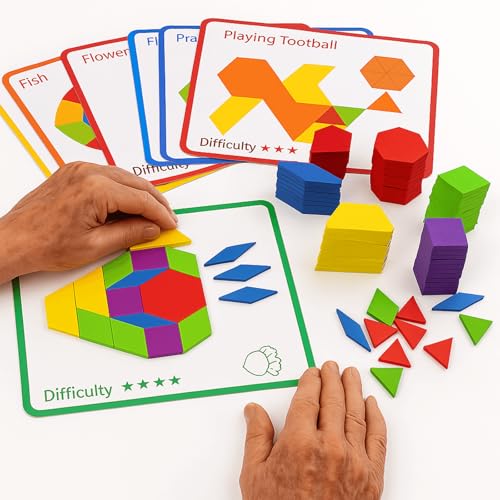
The ECROUATY Dementia Activities Wooden Puzzle Matching Game is an excellent choice for seniors facing the challenges of dementia and Alzheimer’s. This engaging game features colorful visual therapy elements that boost memory while promoting joyful moments and self-confidence. With no board required, you can easily place the smooth, lightweight pieces on vibrant template cards. The high-contrast colors cater to those with visual decline, making it accessible and enjoyable. Plus, it’s beautifully packaged for gifting and easy to store, ensuring a safe, frustration-free experience. Rated 4.5 out of 5 stars, it’s a popular option in sensory motor aids.
Best For: Seniors with dementia or Alzheimer’s looking for engaging activities that enhance memory and self-confidence.
Pros:
- Encourages cognitive engagement through colorful and vibrant design.
- Safe and user-friendly with smooth, lightweight puzzle pieces.
- Portable and easy to store, making it suitable for home or care settings.
Cons:
- Limited to visual matching, which may not engage all cognitive skills.
- May require supervision to ensure a positive experience for some users.
- Not suitable for individuals with severe cognitive decline who may struggle with any form of puzzle.
QUOKKA Elderly Memory Games for Seniors

QUOKKA Elderly Memory Games for Seniors excel in providing a supportive and engaging experience for individuals facing mild cognitive decline. With 202 cards designed specifically for Alzheimer’s and dementia activities, you can enjoy solo or group play. The easy-to-follow design features bold phrases and visual clues, ensuring you can verify matches effortlessly. Plus, the color-coded deck allows you to start at a comfortable level, making it ideal for seniors with memory challenges. This game not only fosters mental sharpness but also encourages joyful connections, making it a thoughtful gift for aging parents or memory care professionals.
Best For: Seniors with mild cognitive decline or memory challenges looking for engaging solo or group activities.
Pros:
- Easy-to-follow design with bold phrases and visual prompts for better recognition.
- Color-coded cards allow players to choose their comfort level, promoting gradual engagement.
- Encourages mental sharpness and fosters connections, making it a thoughtful gift option.
Cons:
- May not be challenging enough for seniors with moderate to advanced cognitive decline.
- Limited appeal for individuals without memory issues who may find the game too simplistic.
- The cardboard material may not be as durable as plastic options, affecting longevity.
Shadow Matching Bingo Game for Seniors with Memory Loss

Seniors experiencing memory loss will find the Shadow Matching Bingo Game particularly beneficial, as it combines cognitive stimulation with enjoyable play. This engaging game features 10 large shadow boards and 36 wooden matching pieces, making it easy to handle and safe for seniors. With categories like fruits, animals, and transportation, you’ll connect familiar objects to real-life experiences, enhancing focus and memory recall. Whether you play solo or with others, it promotes social interaction and boosts confidence. Packaged beautifully, it makes a thoughtful gift, supporting emotional comfort and dignity for your loved ones in memory care or retirement settings.
Best For: Seniors with memory loss who benefit from cognitive stimulation and social interaction through engaging play.
Pros:
- Cognitive Benefits: Enhances focus, recognition, and memory recall with familiar objects.
- Safe and Durable: Features large wooden pieces that are safe for handling and designed for repeated use.
- Social Engagement: Encourages interaction among seniors, caregivers, and family, making it ideal for group settings.
Cons:
- Limited Themes: The categories may not appeal to all seniors, depending on personal interests.
- Requires Assistance: Some seniors may need guidance to understand game rules or play effectively.
- Space Requirement: The game may require a flat surface for gameplay, which could be a limitation in smaller living spaces.
Easy Memory Games for Dementia Seniors
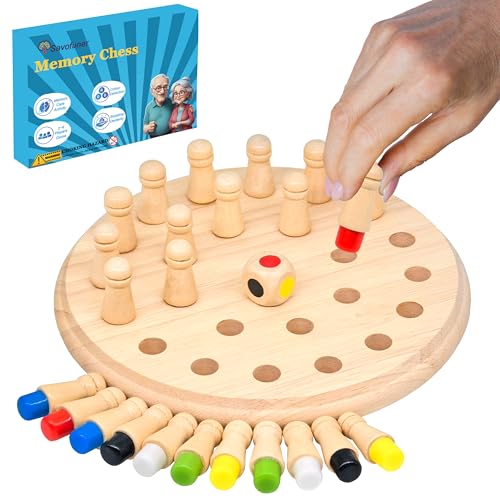
Designed specifically for elderly individuals with dementia or Alzheimer’s, Easy Memory Games provide a fun and engaging way to stimulate cognitive function. This wooden cognitive game, measuring 6.1 x 6.1 x 0.5 inches, features 24 bright, easy-to-pick-up pegs that enhance focus and memory skills through color matching. Ideal for 2-6 players, it promotes dexterity and fine motor skills while alleviating boredom. Perfect for family gatherings, it encourages meaningful interactions without any assembly required. With a customer rating of 3.9 stars, it’s a great choice for caregivers looking to boost mental stimulation in a supportive, enjoyable environment.
Best For: Elderly individuals with dementia or Alzheimer’s seeking enjoyable cognitive stimulation and interaction.
Pros:
- Enhances cognitive function: Promotes memory skills and critical thinking through engaging gameplay.
- Social interaction: Accommodates 2-6 players, fostering meaningful connections between seniors and caregivers.
- No assembly required: Simple and convenient setup, making it easy for users to start playing right away.
Cons:
- Not suitable for advanced dementia: The game is designed primarily for early to moderate stages of dementia.
- Limited complexity: May not provide enough challenge for more cognitively advanced seniors.
- Average customer rating: With a 3.9-star rating, some users may have had mixed experiences.
Factors to Consider When Choosing Dementia Matching Games
When you’re choosing dementia matching games, consider several key factors to guarantee they meet your needs. Think about the cognitive engagement level, safety, and how visually appealing the game is. Also, check if it’s easy to use and suitable for group play, as these aspects can greatly enhance the experience.
Cognitive Engagement Level
Selecting the right dementia matching game hinges on understanding cognitive engagement levels. You’ll want to take into account the range of skill levels the game offers, from beginner to advanced. This variety helps maintain interest and challenge without leading to frustration. Look for games that stimulate cognitive functions through varied activities, enhancing logical thinking, memory recall, and problem-solving skills. Additionally, assess whether the game encourages solitary play or social interaction, as both can boost cognitive engagement and emotional well-being. It’s essential to choose games that promote fine motor skills and coordination, which are important for maintaining dexterity. Finally, opt for games tailored to different dementia stages to provide appropriate challenges without overwhelming the player.
Safety and Durability
Ensuring safety and durability is essential when choosing dementia matching games, as these factors greatly impact the overall experience for seniors. You should look for games made from non-toxic, high-quality materials, particularly if the user has tactile sensitivities or cognitive impairments. Choose options with smooth, rounded edges and lightweight components to prevent injuries and make handling easier. Durable designs that can withstand frequent use are important since seniors may need repeated gameplay for cognitive engagement. It’s also wise to take into account products that are easy to store and transport, allowing for use in various settings like home or care facilities. Prioritizing these elements will enhance safety and enjoyment during gameplay.
Visual Appeal and Design
Choosing visually appealing and well-designed dementia matching games can greatly enhance the engagement and enjoyment for seniors. Look for games featuring bright, high-contrast colors that cater to those with visual impairments. Large print and clear imagery on cards make recognition easier and reduce cognitive strain. Avoid childish themes; instead, opt for adult-appropriate visuals that promote dignity and encourage participation. Guarantee the game pieces are thick and easy to hold, accommodating grip sensitivities for comfortable handling. Incorporating vibrant and enthralling imagery can stimulate memory recall and improve cognitive function, making interactions enjoyable. By focusing on these design aspects, you’ll create an inviting experience that resonates with seniors and supports their cognitive skills.
Ease of Use
While visual appeal and design play a significant role in engaging seniors, ease of use is equally important when selecting dementia matching games. Choose games with large, easy-to-handle pieces to accommodate grip or tactile sensitivity issues. Look for clear, high-contrast colors and simple designs to help those with visual impairments. Select games with straightforward instructions and flexible gameplay options, allowing players to engage at their own pace without frustration. Consider products that require no complicated setup or assembly, making them more accessible for seniors with limited dexterity. Finally, opt for lightweight and portable options to enable easy handling and storage, perfect for enjoying games in various settings.
Group Play Options
When selecting dementia matching games, consider how group play options can enhance the experience for seniors. Many of these games accommodate up to four players, encouraging social interaction and reducing feelings of isolation. Group play fosters teamwork and camaraderie, making the game enjoyable for participants with varying cognitive abilities. Look for games that offer multiple activity variations, allowing players to progress at their own pace while still engaging with others. This adaptability is key in creating a supportive environment. Additionally, group settings provide opportunities for shared memories and discussions, stimulating cognitive engagement and enhancing communication skills. Overall, incorporating group play options can greatly enrich the gameplay experience for seniors dealing with dementia.
Age Appropriateness
Selecting the right dementia matching games involves considering age appropriateness, ensuring the games meet the specific needs of seniors. Choose games specifically designed for older adults, avoiding childish designs and themes. Seniors often prefer mature visuals that reflect their experiences. Look for games with larger pieces and simplified rules to accommodate varying levels of dexterity and cognitive function. It’s important to opt for games offering different difficulty levels, allowing players to engage comfortably without feeling overwhelmed. Additionally, select games that promote social interaction, as they can be enjoyed individually or in groups, fostering connections among seniors and their caregivers. This approach helps create a more enjoyable and beneficial gaming experience.