Fine motor activities can help older adults stay engaged, support hand strength, and make daily tasks feel more manageable. The right tool should be easy to hold, reassuring to use, and suited to the user’s abilities.
This roundup focuses on practical, senior-friendly options for therapy, sensory stimulation, and dexterity practice, including tools for dementia care, stroke rehab, and at-home occupational therapy.
Best 10 Fine Motor Skill Tools for Elderly Picks for 2026
Best for Dementia Engagement

- 40 graded pattern cards for gradual skill-building
- Calming threading motion supports focus and hand control
- Senior-friendly laces, colors, and board design
Best For: Seniors with dementia or Alzheimer’s who need a calming, structured dexterity activity.
Best for Clinical Dexterity Testing
Ultrassist 9-Hole Wooden Pegboard

- Standard 9-hole peg test format for dexterity screening
- Smooth pine wood with easy-grip pegs
- Built-in storage for all 9 pegs
Best For: Occupational therapy, hand rehab, and elderly dexterity screening.
Best for Calming Sensory Use
8PCS Montessori Sensory Pad Set

- 8 textures support gentle tactile stimulation
- Soft, non-slip design is comfortable and safer to use
- Portable, washable build suits home or care settings
Best For: Seniors who need calming tactile activity and easy daily hand stimulation.
Best for Hand Therapy Exercises
Triceratops Finger Training Board

- 3-in-1 design covers rotation, pinch, and peg drills
- Durable wooden base with smooth, comfortable edges
- Good for stroke rehab, arthritis support, and dexterity practice
Best For: Seniors and rehab users who need a compact, multi-exercise hand therapy board.
Best for Rotation Practice
Wooden Pegboard with 25 Iron Rods

- Rotation-based insertions build dexterity and coordination.
- Solid beech wood construction feels sturdy and smooth.
- Portable size works well for home or clinic use.
Best For: Older adults and caregivers who want a compact hand-therapy tool with added dexterity challenge.
Best for Hands-On Cognitive Practice
8-in-1 Wooden Screwdriver Board

- Real tools build practical gripping and turning practice
- Mixed screw types add variety and recognition work
- Compact, stable board suits lap or table use
Best For: Seniors who need a simple hands-on activity for dexterity, coordination, and cognitive engagement.
Best for Dexterity & Grip Rehab
14-Hole Wooden Therapy Pegboard

- 14-hole layout for finger placement and coordination drills
- Solid beech wood build with smooth, wipe-clean surfaces
- Compact size works well for home or clinical therapy
Best For: Seniors and rehab users who need a simple hand dexterity and grip-training aid.
Best for Hand Therapy Practice
Wooden Pegboard Hand Therapy Kit
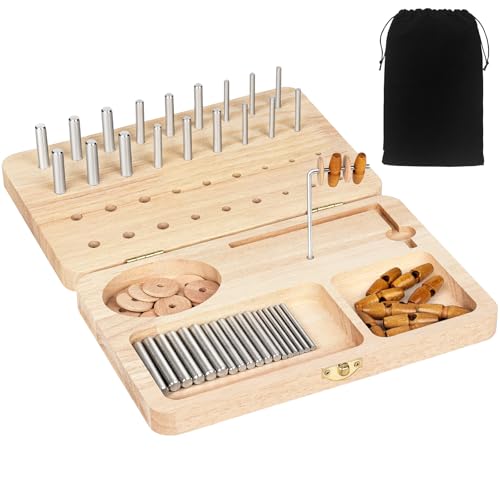
- 36-hole board with multiple peg sizes for progressive exercise
- Durable wood-and-metal build with integrated storage
- Useful for dexterity, coordination, and rehab routines
Best For: Older adults doing stroke, Parkinson’s, or post-surgery hand therapy.
Best for Multi-Stage Hand Rehab
36-Hole Wooden Pegboard Therapy Kit

- 36-hole board with 6 screw types and included tools
- Four exercise zones for progressive dexterity training
- Solid wood, portable storage design for easy use
Best For: Older adults recovering hand function who need a structured dexterity training kit.
Best for Dementia Engagement – Threads Lacing Board
If you want fine motor skill tools for elderly adults that feel purposeful rather than childish, this Threads Lacing Board is a strong fit. It combines graded pattern cards, easy-to-hold laces, and a calming threading motion that can support hand dexterity, attention, and simple cognitive engagement.
Best For: Seniors with dementia or Alzheimer’s who benefit from calm, structured activities that support hand-eye coordination and fine motor practice.
Pros:
- 40 pattern cards with beginner-to-expert progression
- Calming threading activity that may help reduce agitation
- Made for seniors, with high-contrast colors and easier-grip laces
- Includes two boards and a complete starter kit
Cons:
- More useful for guided activities than independent play for some users
- Primarily geared toward cognitive and dexterity practice, not broad recreation
This is a practical choice if you’re shopping for fine motor skill tools for elderly adults who need a soothing, dignified activity with clear structure. The progressive cards help keep the challenge manageable while still encouraging repetition, focus, and confidence.
Best for Clinical Dexterity Testing – Ultrassist 9-Hole Wooden Pegboard
If you need fine motor skill tools for elderly rehab or screening, this wooden pegboard is a practical choice because it supports both practice and standardized dexterity testing. The smooth pine board and easy-grip pegs make it approachable for repeated use in occupational therapy, hand therapy, and stroke or Parkinson’s recovery work.
Best For: Occupational therapists, caregivers, and rehab programs that want a simple 9-hole pegboard for dexterity assessment and hand training.
Pros:
- Supports the standard 9-Hole Peg Test for clinical dexterity screening
- Natural pine wood board feels sturdy, smooth, and easy to clean
- Built-in storage compartment keeps all 9 pegs together after use
- Useful for stroke rehab, Parkinson’s care, and general hand therapy
Cons:
- Designed more for assessment and practice than game-like engagement
- A timer is needed for accurate test results
- Wood construction may need drying carefully after cleaning
As a straightforward pegboard, it works well when you want fine motor skill tools for elderly users that double as both a therapy aid and a clinical baseline measure. It’s especially strong for supervised rehab settings where consistency, durability, and easy storage matter.
Best for Calming Sensory Use – 8PCS Montessori Sensory Pad Set
If you’re comparing fine motor skill tools for elderly loved ones, this 8-piece Montessori sensory pad set is a simple, low-stress option for gentle hand activity. The mix of textures gives seniors a soothing tactile experience while the soft, non-slip design keeps use comfortable at home or in care settings.
Best For: Seniors who benefit from calm, tactile stimulation for relaxation, hand flexibility, and quiet daily sensory use.
Pros:
- Eight different textures provide varied tactile input for hands and fingers
- Soft, skin-friendly material with a non-slip base for safer use
- Lightweight and portable, so it works well in bedrooms, living rooms, or care facilities
- Washable and durable for repeated daily use
Cons:
- More focused on sensory comfort than active strength training
- May be too simple for seniors who want more structured dexterity exercises
This is a practical pick if you want fine motor skill tools for elderly users that emphasize comfort, calming input, and easy everyday handling. It’s especially appealing for quiet routines, rest periods, or supportive care environments.
Best for Hand Therapy Exercises – Triceratops Finger Training Board
If you want fine motor skill tools for elderly use that go beyond simple grip trainers, this wooden therapy board offers a more complete at-home rehab routine. Its mix of rotation, pinching, and peg-placement drills can help support hand strength, coordination, and finger control after injury, surgery, or stroke.
Best For: Seniors, stroke recovery users, and anyone who needs a compact hand therapy tool for guided dexterity and strength work.
Pros:
- 3-in-1 exercises target grip, pinch strength, and hand-eye coordination
- Solid wooden build with rounded edges feels sturdy and comfortable
- Compact design works well for home therapy, clinics, or travel
- Useful for gradual rehab and ongoing maintenance routines
Cons:
- More specialized than a basic hand exerciser
- May be less useful for users who only need very light resistance
For buyers comparing fine motor skill tools for elderly rehabilitation, this board stands out because it combines multiple hand exercises in one space-saving tool. It’s a practical choice if you want a structured, therapist-friendly option that supports steady progress.
Best for Dressing Practice – Clothes Lacing Cards for Seniors
If you’re comparing fine motor skill tools for elderly users, these clothes lacing cards are a practical pick for gentle hand practice with a real-world payoff. The button, zipper, and lacing tasks support dexterity, coordination, and familiar dressing motions without feeling overly clinical.
Best For: Seniors with dementia or Alzheimer’s who need calm, low-pressure practice for buttoning, zipping, and other dressing skills.
Pros:
- Realistic dressing features help reinforce buttoning and zipper coordination.
- High-contrast, tactile design is easier to use for low-vision or sensory-sensitive users.
- Compact and lightweight for home use or travel therapy sessions.
- Good mix of cognitive engagement and hand-skill repetition.
Cons:
- More suitable for guided practice than independent advanced use.
- May be too simple for seniors who need more challenging therapy tools.
As a hands-on option among fine motor skill tools for elderly adults, this set stands out for combining memory support with practical daily living practice. It’s a solid choice if you want an activity that feels familiar, calming, and useful rather than purely decorative.
Best for Rotation Practice – Wooden Pegboard with 25 Iron Rods
This wooden pegboard is a practical pick if you want fine motor skill tools for elderly users that go beyond simple squeezing or gripping. The rotating iron rods add a more engaging dexterity challenge, making it useful for hand therapy, coordination practice, and light rehabilitation work at home or in a clinic.
Best For: Older adults, caregivers, and therapists looking for a compact hand-function training tool with a bit more dexterity challenge.
Pros:
- Rotation-before-insertion movement helps train finger flexibility, pinch control, and hand-eye coordination.
- Beech wood build feels sturdy, smooth, and durable for repeated use.
- 25 holes and 25 rods provide varied practice from easier to more advanced tasks.
- Small, portable design makes it easy to use at home, in a clinic, or while traveling.
Cons:
- It is more of a therapy exercise tool than a general everyday activity aid.
- Some users may find the rotation task challenging at first.
- No built-in storage or carry case is included.
For shoppers comparing fine motor skill tools for elderly use, this board stands out because it combines simple construction with a more skill-focused motion pattern. It is a solid choice when the goal is to keep hand exercises practical, portable, and progressively challenging.
Best for Hands-On Cognitive Practice – 8-in-1 Wooden Screwdriver Board
This wooden activity board is a practical pick if you want fine motor skill tools for elderly users that combine gripping, turning, and matching in one compact setup. With real tools, multiple screw types, and a stable mounted design, it gives seniors a simple, repeatable task that supports dexterity and hand-eye coordination.
Best For: Seniors in occupational therapy, memory care, or home settings who benefit from a hands-on, low-stress activity for finger strength and problem-solving.
Pros:
- Includes real tools like a screwdriver, wrench, and hex wrenches for authentic hand practice
- Multiple screw and nut styles keep the activity varied and mentally engaging
- Compact wooden base stays stable on a table or lap
- Supports dexterity, coordination, and cause-and-effect learning
Cons:
- More therapeutic than entertaining for users seeking a game-like activity
- May be too simple for seniors who need more advanced challenges
- Best suited to supervised or guided use in care settings
For buyers comparing fine motor skill tools for elderly adults, this board stands out for its real-tool format and variety of fastening motions. It is especially useful when the goal is to keep hands active while encouraging focus, recognition, and steady repetition.
Best for Dexterity & Grip Rehab – 14-Hole Wooden Therapy Pegboard
This wooden pegboard is a practical pick for shoppers comparing fine motor skill tools for elderly users who need light, repeatable hand exercises. Its 14-hole layout, rotating components, and smooth beech-wood build make it useful for at-home rehab, occupational therapy, and everyday dexterity practice.
Best For: Seniors, post-op users, and anyone working on hand mobility, grip strength, and hand-eye coordination in a compact therapy tool.
Pros:
- Solid beech wood construction with a smooth, wipe-clean finish
- Supports finger placement drills, lateral movement, and grip training
- Compact and portable for home, office, or clinic use
- Useful for seniors, therapists, musicians, and rehab patients
Cons:
- Manual exercises may feel repetitive for some users
- Not a high-resistance strength trainer for advanced rehab needs
- Smaller size may limit exercise variety compared with larger boards
As one of the more versatile fine motor skill tools for elderly buyers, this pegboard stands out for its simple design and broad rehab use. It is a solid choice if you want an approachable therapy aid that emphasizes coordination, precision, and consistent daily practice.
Best for Hand Therapy Practice – Wooden Pegboard Hand Therapy Kit
This wooden pegboard is a practical pick for anyone shopping for fine motor skill tools for elderly users who need guided hand exercises at home or in therapy. The 36-hole layout, mixed peg sizes, and add-on pieces make it easy to scale difficulty as dexterity improves.
Best For: Stroke recovery, Parkinson’s support, and post-surgery hand therapy where structured finger and hand coordination work is needed.
Pros:
- Includes multiple peg sizes plus wood pieces and olive buckles for varied exercises
- Solid wood box and stainless steel rods feel durable and rehab-friendly
- Built-in storage makes it easier to keep all parts together at home or in a clinic
- Supports fine motor control, hand-eye coordination, and gradual progression
Cons:
- More specialized than simple grip or squeeze tools
- Small parts may be inconvenient for users with very limited hand function
Overall, this is a strong therapy-focused option if you want fine motor skill tools for elderly rehab routines rather than a general-purpose activity board. It works best when the goal is repeatable, measurable practice instead of casual hand exercise.
Best for Multi-Stage Hand Rehab – 36-Hole Wooden Pegboard Therapy Kit
If you want fine motor skill tools for elderly that feel more like a guided therapy kit than a basic fidget toy, this wooden pegboard is a strong pick. The 36-hole design, mixed screw types, and included tools create progressive exercises for hand strength, dexterity, and coordination, which can be useful during stroke recovery, Parkinson’s care, or general hand therapy.
Best For: Older adults who need a structured, portable rehab tool for rebuilding finger dexterity and hand-eye coordination.
Pros:
- Includes multiple tools and peg types for varied, progressive exercises
- Four functional training areas support different skill levels and rehab stages
- Solid wood build with integrated storage makes it easy to keep organized and portable
- Designed with common rehab use cases like stroke, brain injury, and Parkinson’s in mind
Cons:
- More therapy-focused than a simple casual dexterity toy
- May be too challenging for users who need very light initial hand activity
- Wooden pieces and small hardware require supervision for some users
As a practical choice among fine motor skill tools for elderly, this pegboard stands out because it combines portability, structure, and multiple difficulty paths in one compact kit. It’s a better fit for shoppers who want real rehab utility instead of a single-purpose hand exercise board.
How We Picked the Best Fine Motor Skill Tools for Elderly
We prioritized tools that are simple to understand, comfortable to handle, and useful for repeated practice. For Fine Motor Skill Tools for Elderly, the most important traits are clear task design, safe materials, and enough challenge to keep the activity beneficial without becoming frustrating.
Quick Comparison
Choose lacing and button boards for coordination and everyday-skill practice, pegboards for finger dexterity and grip training, and tactile or screw-based boards for sensory engagement and hand mobility. If the goal is calm focus, softer sensory mats may be a better fit than more mechanical tools.
Key Buying Factors for Fine Motor Skill Tools for Elderly
Ease of Use
Look for large, easy-to-grasp pieces, smooth edges, and obvious action steps. Many older adults benefit from tools that do not require reading instructions or applying high force.
Therapeutic Goal
Match the tool to the need: dexterity, hand-eye coordination, grip strength, sensory stimulation, or cognitive engagement. The best choice depends on whether the user is recovering from stroke, managing dementia, or simply staying active.
Resistance and Difficulty
Too little resistance may limit benefit, while too much can discourage use. Adjustable or varied difficulty levels are ideal when the tool may be used over time or by different users.
Safety and Durability
Stable construction matters, especially for repetitive use. Wood, soft tactile surfaces, and securely fixed parts tend to work well, but always check for small detachable components if the user has swallowing or safety concerns.
Who Should Buy Which Fine Motor Skill Tools for Elderly?
For dementia-friendly engagement, choose lacing boards, clothes activity boards, or tactile sensory mats that encourage calm, repetitive motion. For rehab-focused use, pegboards and finger training boards are better suited to dexterity and strengthening. For users who enjoy practical tasks, screwdriver and hardware-style activity boards add variety and purpose.
If you are shopping for a caregiver, therapist, or family member, the best Fine Motor Skill Tools for Elderly are the ones that feel approachable on day one and still offer room for progress later. That balance is what keeps the activity useful, consistent, and worth using.