Choosing a medical alert device for dementia patients is about more than emergency response. The right system can help prevent wandering, reduce fall risk, and alert caregivers fast when attention is needed.
Below, we focus on practical options for different care setups, from wearable alerts and GPS-enabled pendants to bedside sensors and silent caregiver pagers.
Best 10 Medical Alert Device for Dementia Patients Picks for 2026
Best for Family-Led Monitoring
SecuLife Medical Alert Pendant

- Direct alerts to family, no call center
- Fall detection plus GPS and geofence tools
- Waterproof with up to 6 days of battery life
Best For: Families who want direct caregiver alerts and location tracking for a loved one with dementia.
Best for Bedside Exit Alerts
Upgraded Bed Sensor Alarm for Dementia Care
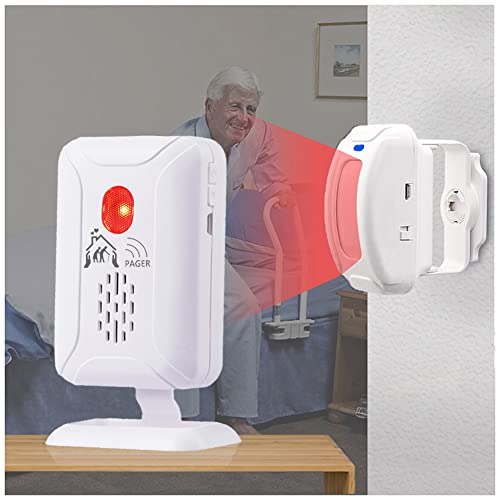
- Bedside or doorway placement for flexible monitoring
- Caregiver receiver keeps alarms out of the patient’s room
- Adjustable sound and LED alerts with wireless setup
Best For: Families monitoring dementia-related bed exits or nighttime wandering.
Best Multi-Pack
4-Pack Medical Alert Silicone Wristbands for Dementia

- Includes four bracelets for backups or rotation
- Soft silicone is water-resistant and hypoallergenic
- Simple unisex style is easy for daily wear
Best For: Caregivers and families wanting a simple, affordable set of wearable alert bracelets.
Best for Easy Installation
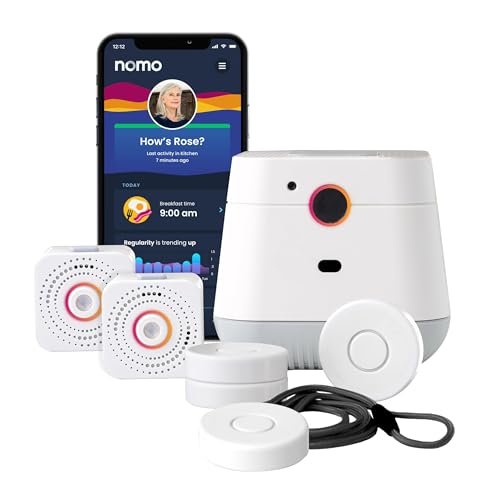
- Plug-and-play setup with no landline or technician
- Camera-free home monitoring with fall detection
- Two-way voice, caregiver alerts, and app control
Best For: Families wanting a privacy-friendly, easy-to-install in-home alert system for dementia care.
Best Early-Alert Coverage
Lunderg Wireless Bed & Chair Alarm Set

- Wireless pager keeps alerts private and caregiver-focused
- Pre-rise bed pad is designed to warn before getting up
- Includes bed and chair sensors for fuller daily coverage
Best For: Caregivers who want a quiet, easy-to-use monitoring system for dementia fall prevention.
Best for Simple Room-to-Room Alerts
METAK Wireless Caregiver Pager

- One-button help request for quick caregiver response
- 58 tones and 5 volume levels for customizable alerts
- 1,500-foot open-range support with expandable receivers
Best For: Families and caregivers who want a simple in-home alert system for seniors or dementia care.
Best Early-Alert Pick
Lunderg Wireless Early Alert Bed Alarm

- Wireless pager alerts caregivers before the wearer gets up
- No in-room alarm, which helps reduce fear and agitation
- Simple setup with no Wi-Fi, app, or tools required
Best For: Caregivers seeking a quiet, dignity-preserving bed alarm for dementia care.
Best for Silent Night Monitoring
CallToU Bed Alarm for Dementia Wanderers

- Early bed-exit detection before standing
- Silent, vibrate, and loud alert modes
- Portable receiver for home or care settings
Best For: Caregivers who need a quiet bedside alert for nighttime wandering risk.
Best for Motion-Triggered Monitoring
Wireless Bed Alarm for Dementia Care

- PIR motion sensing detects bed exits quickly
- 5 volume levels plus silent LED-only mode
- Wireless receiver works up to 500 ft and supports expansion
Best For: Caregivers who want a simple wireless alert system to catch bed exits and movement early.
Best for Family-Led Monitoring – SecuLife Medical Alert Pendant
If you want a medical alert device for dementia patients that skips the traditional call center and sends alerts directly to family, this SecuLife pendant is built around that setup. It adds fall detection, GPS location tracking, 2-way calling, and a simple SOS button, making it a practical choice for caregivers who want faster, more personal response options.
Best For: Families who want direct alerts, live location updates, and simple emergency calling for a loved one with dementia.
Pros:
- Alerts go straight to preselected family or caregivers instead of a call center
- Includes fall detection, GPS tracking, and geofence alerts for added safety
- Waterproof design and up to 6 days of battery life support everyday wear
- 2-way calling and auto-answer can make check-ins easier
Cons:
- Requires a monthly subscription
- Best features depend on reliable cellular coverage
- May be more than some users need if they only want a basic SOS pendant
For caregivers evaluating a medical alert device for dementia patients, this model stands out for its family-first alerting and location tools. It is especially useful when you want a wearable that can help with wandering concerns, fall response, and quick communication without relying on a third-party monitoring center.
Best for Bedside Exit Alerts – Upgraded Bed Sensor Alarm for Dementia Care
If you need a practical medical alert device for dementia patients who tend to get up at night, this bed and doorway motion alarm offers a simple way to notify caregivers without alarming the person in the room. It uses wireless sensors and a separate pager to help monitor bed exits, room departures, and other movement patterns that can signal a fall risk.
Best For: Caregivers who want a non-wearable alert system for tracking bed exits or room wandering in dementia care.
Pros:
- Motion sensor can be placed by the bed or at a doorway for flexible monitoring.
- Receiver stays with the caregiver, so the alarm does not sound in the patient’s room.
- Dual alert options with sound and LED, plus adjustable volume levels.
- Wireless design and included batteries make setup straightforward.
Cons:
- Requires placement testing to get the sensing range and angle right.
- It is an alert system, not a medical response device or emergency call button.
- Open-area range may be reduced by walls and interference in real homes.
As a medical alert device for dementia patients, this model is strongest when the goal is early warning rather than two-way communication. It is a good fit for families who want a low-cost, bedside motion alert that can reduce nighttime wandering risk and give caregivers a quicker response window.
Best Multi-Pack – 4-Pack Medical Alert Silicone Wristbands for Dementia
If you want a simple, low-maintenance medical alert device for dementia patients, this 4-pack of silicone wristbands offers an easy way to keep ID visible every day. The unisex design is practical for home use, travel, and outdoor routines, while the water-resistant, hypoallergenic build adds comfort for long wear.
Best For: Caregivers and families who want multiple durable alert bracelets for everyday use, backups, or different outfits.
Pros:
- Four-pack gives you spares or options for different settings
- Soft silicone is comfortable, water-resistant, and easy to wear daily
- Clear medical alert purpose is useful for emergencies and travel
- Simple unisex design works for men and women
Cons:
- Does not offer advanced tracking or electronic features
- Information space may be more limited than a full engraved ID bracelet
- Fit may depend on wrist size since there are no adjustable straps mentioned
As a medical alert device for dementia patients, this set is most appealing if you value comfort, visibility, and backup coverage over tech-heavy features. It’s a straightforward option for everyday safety, especially when you want a wearable reminder that is easy to replace and keep on hand.
Best for Early Exit Alerts – Wireless Bed Exit Alarm for Dementia Patients
If you’re comparing a medical alert device for dementia patients, this bed alarm is aimed at catching movement before a nighttime exit turns into a fall. The 20 x 30 inch wireless sensor pad sits under the fitted sheet and sends an alert to the caregiver pager when weight is removed, making it a practical option for overnight monitoring.
Best For: Caregivers who want a simple wireless bed-exit alert with adjustable sound or vibration for nighttime dementia care.
Pros:
- Large 20 x 30 sensor pad helps cover more of the sleep area
- Adjustable pager volume plus vibrate-only mode for night use
- Wireless receiver with up to 400 ft range and included batteries
- Waterproof, easy-clean pad designed to sit under the sheet
Cons:
- Pad placement must be flat and secured to reduce false alarms
- Indoor wireless range may be shorter depending on walls and layout
- Requires battery changes over time
This is a focused bedside safety solution rather than a full medical alert device for dementia patients, but it does a good job of giving caregivers early notice when a loved one is about to get up. For families prioritizing nighttime fall prevention, the simple setup and adjustable alerts are the main strengths.
Best for Easy Installation – NOMO Smart Care Alert System
If you need a medical alert device for dementia patients that stays simple for caregivers and avoids cameras, the NOMO Smart Care system is a strong in-home option. It uses WiFi, motion and sound sensing satellites, and wearable tags to send alerts, making it more practical for aging in place than many traditional pendant systems.
Best For: Families who want a privacy-friendly, camera-free alert system with fast setup, fall detection, and two-way voice communication.
Pros:
- Quick plug-and-play setup with no landline or technician required
- Camera-free design supports privacy while still tracking movement and falls
- Includes two-way talk, emergency alerts, and app-based caregiver notifications
- 60-day monitoring trial gives families time to test the system
Cons:
- Requires home WiFi to function
- After the trial, monitoring needs a monthly subscription
- Best suited to in-home use rather than on-the-go protection
For households comparing a medical alert device for dementia patients, NOMO stands out for its simple installation and privacy-first approach. The tradeoff is the ongoing subscription, but the combination of fall detection, caregiver alerts, and two-way communication makes it appealing for home monitoring.
Best Early-Alert Coverage – Lunderg Wireless Bed & Chair Alarm Set
If you want a practical medical alert device for dementia patients that helps reduce fall risk without startling your loved one, the Lunderg Wireless Early Alert Bed & Chair Alarm Set is built around caregiver-first monitoring. The bed pad is designed to alert before the person fully gets up, while the chair sensor catches stand-up movements right away, all without an in-room alarm.
Best For: Caregivers who need a quiet, wireless bed-and-chair alert system for dementia care, especially in homes where avoiding agitation and keeping setup simple matter most.
Pros:
- Wireless pager alerts you privately, so there’s no bedside alarm to frighten the user
- Pre-rise bed pad placement helps warn caregivers before the person is fully out of bed
- Includes both bed and chair sensors for broader overnight and daytime coverage
- No Wi-Fi, app, or tools required, with adjustable volume or vibration-only alerts
Cons:
- Works best for monitoring, not for preventing all attempts to stand or walk
- Requires the caregiver to carry the pager for alerts to be useful
Overall, this is a strong medical alert device for dementia patients if your priority is early warning, low-stress alerts, and simple setup. It’s a good fit for caregivers who want a discreet system that supports fall prevention without adding confusion or noise.
Best for Simple Room-to-Room Alerts – METAK Wireless Caregiver Pager
If you need a straightforward medical alert device for dementia patients, this METAK caregiver pager keeps the setup simple: one call button, one plug-in receiver, and fast alerts when someone presses for help. It’s a practical choice for homes where a loved one needs an easy way to reach a caregiver without relying on a phone or complicated system.
Best For: Families wanting a basic, easy-to-use alert button for seniors, memory care, or in-home monitoring.
Pros:
- One-button operation makes it easy to trigger help quickly.
- 58 ringtones and 5 volume levels help tailor alerts to the room.
- Long wireless range works well in larger homes or care settings.
- Button can be worn on a neck strap or mounted nearby for convenience.
Cons:
- Includes only one receiver and one button in the base package.
- Not a full monitoring or auto-fall-detection system.
- Battery and plug-in setup may still need occasional attention.
For shoppers comparing a medical alert device for dementia patients, this model stands out for its simplicity and flexibility rather than advanced features. It’s a sensible fit when the priority is fast, direct communication inside the home or facility.
Best Early-Alert Pick – Lunderg Wireless Early Alert Bed Alarm
If you need a medical alert device for dementia patients that helps prevent nighttime falls without startling the person in bed, this Lunderg system is a smart option. It sends a wireless alert to a pager you carry, so you can respond before your loved one fully gets up, while avoiding an in-room alarm that can cause confusion or fear.
Best For: Caregivers who want a quieter, dignity-preserving bed alarm with early notification and simple setup.
Pros:
- Wireless pager alert keeps the bedside quiet and less disruptive
- Pre-rise sensor placement aims to notify you before full stand-up
- No Wi-Fi, app, or tools required for setup
- Includes adjustable volume, vibration mode, and long wireless range
Cons:
- Only helps with bed-exit monitoring, not broader room or home tracking
- Requires the caregiver to carry the pager at all times
- Best results depend on correct pad placement and consistent use
This is a practical medical alert device for dementia patients when your priority is early warning, less agitation, and a simpler setup. It stands out most for caregivers who want a discreet bed alarm that supports safer nights without the shock of an in-room sound.
Best for Silent Night Monitoring – CallToU Bed Alarm for Dementia Wanderers
If you need a practical medical alert device for dementia patients who may try to get out of bed at night, this CallToU alarm is built for early warning rather than full-time tracking. The floor sensor detects movement before a full stand-up, and the portable receiver lets caregivers choose loud audio, vibration, or silent alerts depending on the time of day.
Best For: Caregivers who want an easy-to-place bed-exit alert for nighttime wandering risk in home or hospital care.
Pros:
- Detects bed exits early, before the person is fully standing
- 5 volume levels, 18 ringtones, plus vibration-only and silent modes
- Portable receiver with USB-C charging for flexible use around the home
- 360° sensor rotation helps reduce false alerts from restless movement
Cons:
- Focuses on bed-exit alerts, not two-way communication or GPS
- Battery-powered sensor means periodic AAA replacements
- Best suited to bedside placement, not general room-wide monitoring
For families looking for a simple medical alert device for dementia patients, this is a strong bedside safety aid rather than a full medical system. Its early-motion detection and quiet-mode options make it especially useful when you want fast caregiver notification without constant noise.
Best for Motion-Triggered Monitoring – Wireless Bed Alarm for Dementia Care
If you want a practical medical alert device for dementia patients that helps catch bed exits early, this wireless motion sensor alarm is built around fast motion detection rather than a pressure pad. It can alert a caregiver as soon as movement is detected near the bed, which is useful for reducing nighttime wandering and fall risk at home.
Best For: Caregivers who need an easy-to-set-up, wireless alert system for monitoring bed exits, room movement, and other high-risk areas for seniors or dementia patients.
Pros:
- PIR motion sensor detects movement without an uncomfortable pad
- Adjustable sound options include 58 melodies, 5 volume levels, and silent mode
- Wireless receiver reaches up to 500 ft in open areas and is expandable to 20 sensors
- Includes batteries for the sensor and is ready to use out of the box
Cons:
- Works best for motion near the bed, not direct medical emergency response
- Open-area range is idealized and may be lower through walls or interference
- Only includes 1 sensor and 1 caregiver pager in the base package
As a medical alert device for dementia patients, this model makes sense when your main goal is early notification rather than wearable tracking or two-way communication. It is a straightforward home-safety tool for caregivers who want faster awareness of bed exits and room movement.
How We Picked the Best Medical Alert Device for Dementia Patients
We selected products based on caregiver usefulness, alert speed, ease of setup, monitoring style, and fit for common dementia-care needs such as nighttime wandering, fall prevention, and at-home supervision. We favored devices that support quick response without adding unnecessary complexity.
Quick Comparison
In simple terms: wearables work best for mobile seniors who can tolerate a pendant or wristband; bed and chair alarms are better for nighttime or seated wandering; and pager-based systems suit caregivers who want instant alerts without relying on a call center. A Medical Alert Device for Dementia Patients should match the person’s routine, not just their diagnosis.
Key Buying Factors for a Medical Alert Device for Dementia Patients
Alert Type
Look for the alert style that fits the situation. Loud alarms help in the same room, while silent or vibrating pagers are better when you want to alert a caregiver without startling the person. Some systems send alerts to family, and others use a monitor, receiver, or app-based notification.
Wandering and Exit Detection
If wandering is a concern, prioritize bed exits, chair exits, door monitoring, or motion sensors. These are especially useful for overnight supervision and for caregivers who need notice before the person leaves the room.
Fall Detection and Emergency Response
For more active users, fall detection and two-way communication can add peace of mind. GPS tracking is valuable if the person may be outside alone. If the user is mostly indoors, reliable local alerting may matter more than full-featured tracking.
Comfort and Compliance
Wearable devices only work if the person will actually wear them. Lightweight pendants, simple wristbands, and easy-to-use call buttons are often better accepted than complicated systems. For some families, a non-wearable sensor system is the more realistic choice.
Who Should Buy Which Medical Alert Device for Dementia Patients?
Choose a wearable pendant or alert bracelet if your loved one is still active and can handle a device consistently. Choose a bed or chair alarm if nighttime wandering, unsafe rising, or frequent seat transfers are the main issue. Choose a caregiver pager or motion sensor setup if you need discreet alerts for a home caregiver, especially in shared living spaces. Choose a GPS-capable system if the person may leave home or needs broader location support. The best Medical Alert Device for Dementia Patients is the one that fits the person’s daily habits and gives caregivers the fastest, clearest alert with the least friction.