Foot drop can make walking with multiple sclerosis more tiring and increase the chance of catching your toes. The right brace may help lift the foot during each step, but fit, footwear, and the amount of support you need all matter.
These six options range from adjustable straps and cushioned wraps to firmer ankle-foot orthoses (AFOs). Use the buying guide below to narrow your choices and discuss the best fit with your clinician.
Best 6 Multiple Sclerosis Leg Braces Picks for 2026
Most Versatile Shoe Options

- Interchangeable shoe inserts
- Fits either foot
- 11.5-inch maximum ankle circumference
Best For: Adults switching between shoe styles
Best for Shoe-Front Lift

- Designed to lift shoe front
- Padded, breathable wrap
- Fits US shoe sizes 6–11
Best For: Adults using compatible lace-up shoes
Simple Neoprene Option
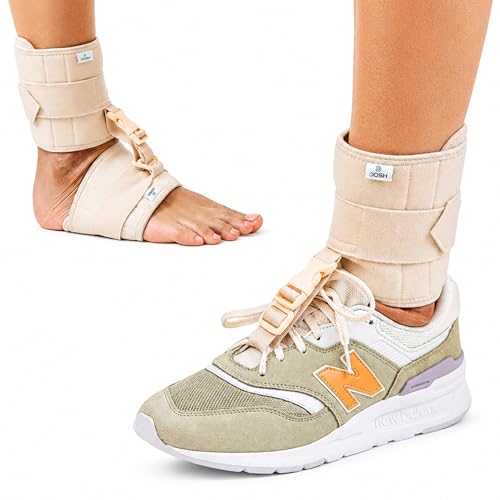
- Neoprene construction
- One-size adult brace
- Fit measurements not supplied
Best For: Shoppers seeking a neoprene walking brace
Best Moldable Support

- Moldable, trimmable footplate
- Padded cuff and adjustable straps
- Large left-foot option fits most shoes
Best For: Left-side foot drop support with an adjustable in-shoe fit
Best Soft-Profile Option

- Soft, lightweight neoprene
- Secure buckle strap
- Wear barefoot or with various shoes
Best For: Low-profile foot-drop support for varied footwear
Best Versatile Shoe Fit
Drop Foot Support AFO Ankle Brace

- Interchangeable shoe inserts
- Works on right or left foot
- Maximum ankle circumference: 11.5 inches
Best For: Foot-drop support across different shoe styles
Most Versatile Shoe Options – Adjustable Foot Up AFO Brace
For shoppers comparing multiple sclerosis leg braces to address foot drop, this adjustable Foot Up brace offers a lightweight ankle wrap with interchangeable inserts for several shoe styles. It fits either foot and is intended for adults with an ankle circumference up to 11.5 inches.
Best For: Adults who want one foot-drop brace that can work with different shoes.
Pros:
- Interchangeable inserts accommodate lace-up shoes, slip-ons, sneakers, and some sandals.
- Soft, breathable construction weighs 1.6 ounces.
- Open, adjustable design works on the right or left foot.
Cons:
- Not suitable for ankles over 11.5 inches in circumference.
- Hand wash only.
The shoe options make this a flexible choice, but check ankle measurements before ordering.
When shopping for multiple sclerosis leg braces for foot-drop support, consider how the brace connects to your footwear. This Tenbon wrap is designed to lift the front of the shoe during walking and uses an adjustable buckle and strap arrangement.
Best For: Adults who wear compatible lace-up shoes and want a lightweight shoe-lifting brace.
Pros:
- Designed to lift the front of the shoe while walking.
- Breathable fabric and soft interior padding.
- Fits either foot and is listed for US shoe sizes 6–11.
Cons:
- Sandal compatibility is limited to certain styles.
- Listed shoe-size range may exclude some wearers.
This is worth considering if your usual shoes suit its attachment design; verify fit before relying on it for daily wear.
Among multiple sclerosis leg braces considered for foot drop, the Dosh AFO is a straightforward adult walking brace made from neoprene. It comes in beige and is listed as one size, but the supplied product details do not specify its adjustment method or shoe compatibility.
Best For: Shoppers seeking a one-size neoprene foot-drop brace for walking.
Pros:
- Designed for foot-drop use while walking.
- Neoprene construction.
- Listed as a unisex, one-size option.
Cons:
- No fit measurements are provided in the supplied details.
- Shoe compatibility is not specified.
Consider this if you prefer a neoprene option, but confirm sizing and how it works with your shoes before purchasing.
Best Moldable Support – AFO Drop Foot Brace
Among multiple sclerosis leg braces for foot drop, this lightweight AFO stands out for its moldable, trimmable footplate. The listed option is a large left-foot brace designed to fit inside most shoes.
Best For: Adults who need a left-side, shoe-compatible AFO with a footplate that can be trimmed for fit.
Pros:
- Moldable, trimmable polyethylene footplate and adjustable straps allow fit adjustments.
- Padded cuff and buckle help keep the brace secure.
- Low-profile design fits inside most regular shoes, sneakers, or boots.
Cons:
- This listing is specifically for a large, left-foot brace.
- Its in-shoe design requires footwear with enough room for the footplate.
This is the most structured option here if toe-lift support and a customizable in-shoe fit are priorities. Check the listed side and size before ordering.
Best Soft-Profile Option – Dosh AFO Foot Drop Brace
If you are comparing multiple sclerosis leg braces for foot drop and prefer a soft brace over a rigid footplate, the Dosh AFO is a low-profile option. Its neoprene construction and buckle strap are designed for wear while walking or sleeping.
Best For: Adults seeking a lightweight foot-drop brace that can be worn barefoot or with a variety of shoes.
Pros:
- Secure buckle strap offers an alternative to hook-and-loop fastening.
- Can be worn barefoot or with a variety of shoes.
- Soft, lightweight, low-profile design can be worn under pants.
Cons:
- One-size listing does not provide a specific ankle measurement range.
- Its soft design may not suit someone looking for a rigid footplate.
Consider this brace when flexible wearing options and a less conspicuous profile matter most. Confirm that its one-size fit and style suit your footwear and support needs.
Best Versatile Shoe Fit – Drop Foot Support AFO Ankle Brace
For shoppers considering multiple sclerosis leg braces for foot drop, this adjustable AFO ankle brace offers interchangeable inserts for different shoe styles. Its open, lightweight design can be used on either the right or left foot.
Best For: Adults who want one brace for either foot and use laced shoes, slip-ons, sneakers, or some sandals.
Pros:
- Interchangeable inserts accommodate several footwear styles.
- Universal, open design adjusts for right- or left-foot use.
- Skin-friendly velvet and sponge materials are described as breathable for daily wear.
Cons:
- Fits ankle circumferences up to 11.5 inches (30 cm).
- Hand wash only.
This is a practical choice if you switch shoes or need a brace that works on either side. Measure your ankle first, since the stated circumference limit is important for fit.
How We Picked These Multiple Sclerosis Leg Braces
We focused on braces designed to help manage foot drop, a common reason someone with MS might consider an ankle-foot orthosis (AFO). The selection covers different approaches: adjustable lift straps, soft ankle wraps, and firmer supports that sit in or around a shoe. We prioritized practical differences shoppers can assess—support style, adjustability, footwear compatibility, and whether a brace can be worn on either foot—rather than treating every AFO as interchangeable. Product descriptions cannot establish clinical effectiveness or long-term comfort for an individual wearer.
Quick Comparison: Which Style Fits Your Needs?
- Adjustable foot-lift straps: The Foot Up-style brace and universal-size strap elevator are worth considering if you want to adjust the amount of upward pull. Check how each attaches to your shoe and ankle.
- Soft wrap support: The cushioned Tenbon brace may appeal if a wrap feels preferable to a rigid insert. Confirm that it provides enough toe clearance for your gait.
- Structured AFO support: The moldable, trimmable stabilizer is the option to investigate if you need a firmer shape and are prepared to check fit carefully.
- Dosh AFO choices: The beige and black listings offer color choices within the same named product line. Compare their listed sizes and specifications before assuming they fit identically.
Key Buying Factors for Multiple Sclerosis Leg Braces
Match Support to Your Gait
Notice when your toes catch, whether your ankle rolls, and how your walking changes as you fatigue. A strap that helps lift the forefoot may not provide the side-to-side stability of a more structured AFO. A physical therapist or orthotist can assess what support is appropriate, particularly if falls or significant weakness are concerns.
Check Fit, Skin Comfort, and Shoes
Verify ankle and shoe-size ranges, right/left compatibility, strap placement, and whether the brace requires lace-up shoes. An in-shoe AFO can take up space, so check it with the socks and footwear you normally use. Pressure or rubbing matters, especially if you have reduced sensation. Follow fitting instructions and seek professional advice if a brace causes pain, persistent redness, or numbness.
Consider Daily Use
Think about how easily you can put the brace on and adjust it when hand dexterity or energy varies. A lower-profile design may be easier to wear with some outfits, while a firmer brace may demand more shoe room. Neither convenience nor rigidity alone determines which brace is safest for you.
Who Should Buy Which Multiple Sclerosis Leg Braces?
Start with an adjustable strap design if you have been advised that light foot-lift assistance is suitable and want to fine-tune tension. Consider the soft wrap if ankle comfort and simple adjustments are priorities, but verify that it clears your toes during walking. Ask about the moldable stabilizer if you need more structured support; trimming or molding should follow the maker’s directions and, ideally, clinical guidance. Choose between the two Dosh colors based on verified sizing and fit rather than appearance alone. Whatever you select, test the brace in your usual shoes and have a clinician review your gait if symptoms change.