Cooking can become a major safety risk when memory loss makes it hard to remember burners, timers, or whether the stove is still on. The right shutoff device can add an important layer of protection.
Below, we compare seven of the best stove shutoff devices for dementia, with options for electric and gas stoves, monitored and non-monitored setups, and different installation needs.
Best 7 Stove Shutoff Devices for Dementia Picks for 2026
Best Plug-In Retrofit
FireAvert Electric Auto Stove Shut-Off Device

- Plug-in protection for compatible electric stoves
- Supports 3- and 4-prong connections
- Useful for dementia-focused kitchen safety
Best For: Families wanting an easy retrofit safeguard for an electric range.
Best for Easy Auto-Off
Gas Stove Timer Automatic Shutdown Controller

- 1–90 minute auto-off timing
- Simple DIY installation
- Low-battery display and warning beep
Best For: Caregivers wanting a straightforward timed shutoff for a compatible gas stove.
Best Easy Plug-In Pick
FireAvert Electric Auto Stove Shut-Off

- Auto shut-off after alarm events
- Plugs into 3- or 4-prong stove setups
- Good for senior safety without a full appliance swap
Best For: Caregivers seeking a simple stove safety add-on for seniors with memory loss.
Best for Smart Monitoring
FireAvert PRO Gas Shut-Off Device
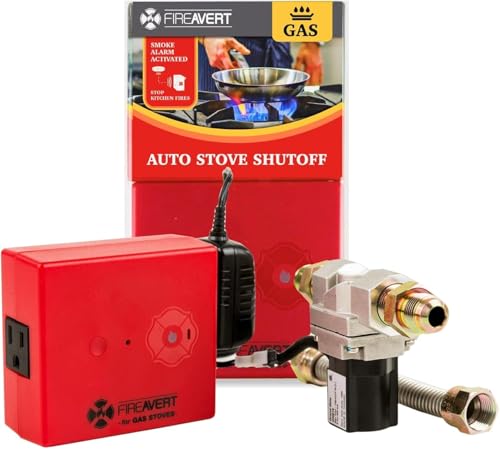
- Auto shutoff for 1/2" gas lines
- Real-time alerts and dashboard monitoring
- Requires a paid subscription
Best For: Caregivers who want connected gas-stove protection with active monitoring and alerts.
Best for Gas Lines
FireAvert Gas Stove Auto Shut-Off
- Automatic gas shutoff adds a safety layer for unattended cooking
- Designed for 1/2" pipe line gas stove setups
- Two-pack offers flexible coverage for multiple appliances
Best For: Households with a 1/2" gas line looking for automatic stove safety support for an older adult or person with dementia.
Best for Continuous Monitoring
FireAvert PRO Electric Stove Auto Shut-Off
- Real-time alerts for caregiver oversight
- Auto shut-off for compatible 4-prong electric stoves
- Subscription monitoring adds ongoing visibility
Best For: Families who want monitored stove safety with app-based alerts and status tracking.
Best with Real-Time Monitoring
FireAvert PRO Electric Stove Auto Shut-Off
- Automatic shutoff for compatible electric stoves
- Real-time alerts and dashboard monitoring
- Requires a subscription for full functionality
Best For: Caregivers who want a monitored electric stove safety device with remote alerts.
Best Plug-In Retrofit – FireAvert Electric Auto Stove Shut-Off Device
If you want a simple way to reduce cooking risks without replacing the whole range, FireAvert is a practical option to consider. As one of the more straightforward stove shutoff devices for dementia, it sits between the wall outlet and the appliance and is designed to help stop the stove from being left on too long.
Best For: Households that want a plug-in safety layer for an electric stove, especially when caring for an older adult who may forget to turn burners off.
Pros:
- Plug-in design makes it easier to add protection without a full appliance replacement
- Works with 3- or 4-prong electric stove setups
- Good fit for senior care and dementia safety planning
- Sold as a 2-pack for multi-home or backup use
Cons:
- Only works with compatible electric ranges, not gas stoves
- Installation may still require checking outlet and plug type
- Not a substitute for active supervision or broader kitchen safety measures
For families comparing stove shutoff devices for dementia, FireAvert stands out as a retrofit-style solution that adds a layer of protection without changing daily cooking habits too much. It is best viewed as one part of a larger home safety plan rather than a complete monitoring system.
Best for Easy Auto-Off – Gas Stove Timer Automatic Shutdown Controller
If you’re comparing stove shutoff devices for dementia, this gas stove timer is a practical option for adding an automatic backup when a burner is left on too long. It uses a simple timed shutoff rather than a more complex smart-home setup, which can make it easier to understand and use day to day.
Best For: Caregivers and households that want a straightforward automatic gas stove shutoff with minimal installation.
Pros:
- Auto-off timer can be set from 1 to 90 minutes for flexible cooking.
- No major installation work required, so setup is more approachable.
- Includes a reminder beep before shutdown to prompt manual action first.
- Low-battery display adds a useful maintenance check.
Cons:
- Works as a timed shutoff, not a full monitoring or alert system.
- Only suited to compatible gas stove setups.
- May still require caregiver oversight for users with memory loss.
For families shopping stove shutoff devices for dementia, this model stands out for its simple timing-based safety net and low-effort installation. It’s a solid choice if you want an automatic shutoff that supports safer cooking without adding much complexity.
Best Easy Plug-In Pick – FireAvert Electric Auto Stove Shut-Off
If you want a practical layer of protection without changing cooking habits, this FireAvert unit is a strong option to consider among stove shutoff devices for dementia. It plugs into the stove setup and is designed to help cut power automatically after a fire alarm event, which can be useful for families looking to reduce kitchen risk for older adults.
Best For: Caregivers who want a simple, plug-in safety solution for seniors living with dementia or memory loss.
Pros:
- Automatic shut-off response can add peace of mind during smoke alarm emergencies.
- Plug-in design avoids the need for a full appliance replacement.
- Works with 3- or 4-prong stove setups, improving compatibility.
- Useful for households seeking a low-effort safety upgrade for elderly parents.
Cons:
- Only helps in alarm-triggered situations, not as a constant monitoring system.
- Compatibility depends on the stove’s outlet and plug configuration.
- May require extra verification before purchase to ensure fit.
For families comparing stove shutoff devices for dementia, this FireAvert model stands out for its straightforward installation and emergency-focused protection. It is a practical choice when you want an added safeguard without making the kitchen feel overly complicated.
Best for Smart Monitoring – FireAvert PRO Gas Shut-Off Device
FireAvert PRO is aimed at shoppers comparing stove shutoff devices for dementia who want more than a simple auto-off timer. It adds gas-line shutoff hardware, real-time alerts, and a subscription-based monitoring dashboard, making it a stronger fit for households that need active oversight and remote awareness.
Best For: Families or caregivers who want monitored gas-stove protection with alerts, dashboard access, and a more connected safety setup.
Pros:
- Automatically shuts off a 1/2" gas line for added kitchen safety
- Real-time alerts and dashboard monitoring support caregiver oversight
- Useful for households that want a connected, proactive safety system
Cons:
- Requires an ongoing monitoring subscription
- Only fits 1/2" gas lines, so compatibility is limited
- More complex than basic stove safety devices
For families evaluating stove shutoff devices for dementia, FireAvert PRO stands out when monitoring and alerts matter as much as automatic shutoff. It is less of a simple plug-in solution and more of a managed safety layer, so it makes the most sense when caregivers want visibility and remote support.
Best for Gas Lines – FireAvert Gas Stove Auto Shut-Off
If you’re comparing stove shutoff devices for dementia, the FireAvert Gas Stove Auto Shut-Off Device is a practical add-on for households that want an automatic layer of protection on a gas range. It’s designed to interrupt gas flow when stove use goes beyond a set point, which can help reduce the risk of forgotten burners and unattended cooking.
Best For: Homes using a 1/2" gas line that want a simple automatic shutoff solution for an elderly parent or someone living with dementia.
Pros:
- Automatically shuts off gas to help prevent unattended cooking incidents
- Works with 1/2" pipe line gas stove setups
- Useful for families looking for an extra safety buffer for seniors
- Two-pack format can support more than one appliance or backup coverage
Cons:
- Only compatible with 1/2" gas line installations
- Not a replacement for supervision or broader home safety planning
- Requires installation and may not suit every kitchen setup
As one of the more focused stove shutoff devices for dementia, this model makes sense if you want gas-specific protection and your home matches the required line size. It’s a targeted option rather than a universal solution, but for the right setup it can add meaningful peace of mind.
Best for Continuous Monitoring – FireAvert PRO Electric Stove Auto Shut-Off
If you want one of the more hands-on stove shutoff devices for dementia, this FireAvert PRO model leans into real-time monitoring rather than a simple one-time cutoff. It is designed for electric 4-prong stoves and pairs with a required subscription so caregivers can track alerts and device status through the PRO dashboard.
Best For: Caregivers who want app-based oversight, real-time alerts, and a monitored electric-stove safety solution for a loved one at risk of leaving the stove on.
Pros:
- Real-time alerts add an extra layer of oversight for caregivers.
- Works as an auto shut-off solution for compatible electric 4-prong stoves.
- Subscription-based monitoring may be useful for families who want ongoing visibility.
Cons:
- Requires a monitoring subscription, so it is not a one-and-done purchase.
- Only fits compatible 4-prong electric stove setups.
- Less appealing if you want the simplest possible offline safety device.
As stove shutoff devices for dementia go, this is a strong pick for households that value active monitoring and caregiver alerts over a purely basic shutoff mechanism. It makes the most sense when supervision, not just automation, is the priority.
Best with Real-Time Monitoring – FireAvert PRO Electric Stove Auto Shut-Off
If you’re comparing stove shutoff devices for dementia, FireAvert PRO is a more connected option that adds live monitoring, alerts, and a dashboard on top of automatic electric stove shutoff protection. It’s aimed at households that want an extra layer of visibility, not just a simple timer or manual cutoff.
Best For: Caregivers and families who want a monitored electric stove safety device with app-style oversight and real-time alerts.
Pros:
- Automatically shuts off compatible electric stoves for added peace of mind
- Real-time alerts and monitoring help caregivers stay informed
- Dashboard access is useful for tracking safety events remotely
- Designed specifically for a higher-support home safety setup
Cons:
- Monitoring subscription is required
- Only fits 3-prong electric stove setups
- May be more involved than simpler plug-and-play shutoff options
For buyers comparing stove shutoff devices for dementia, FireAvert PRO stands out if remote awareness matters as much as automatic shutdown. It’s a stronger fit for caregivers who want ongoing oversight, but the subscription requirement means it works best when you’ll use the monitoring features regularly.
How We Picked the Best Stove Shutoff Devices for Dementia
We focused on Stove Shutoff Devices for Dementia that are practical for real homes, not just lab settings. Key factors included stove compatibility, shutoff method, ease of installation, whether monitoring is included, and how well the device fits caregiver workflows.
We also looked for clear safety features such as automatic shutoff, alerting, power or battery backup indicators where relevant, and options suited to both electric and gas ranges.
Quick Comparison
The main choice is usually between electric and gas models, then between basic automatic shutoff and connected monitoring. Electric options are generally simpler to deploy on compatible ranges, while gas shutoff devices can offer broad protection when the line connection matches the home setup. PRO models add remote alerts and dashboard visibility for caregivers who want more oversight.
Key Buying Factors for Stove Shutoff Devices for Dementia
Stove Type and Connection
Match the device to the appliance first. Electric stoves typically require either a 3-prong or 4-prong configuration, while gas models are usually sized by line or pipe connection. A correct fit matters more than extra features.
Automatic Shutoff Behavior
Look at what triggers the shutoff and how fast it acts. Some devices are designed to cut power or gas after unusual use patterns, while others are timer-based. For dementia care, the goal is to reduce the chance of an unattended burner staying active too long.
Alerts and Monitoring
If multiple caregivers are involved, connected monitoring can be very useful. Alerts can help family members or care teams respond sooner when someone forgets the stove on or when the device is activated.
Installation and Daily Use
Choose a system that fits the household’s comfort level. Some devices may be more appropriate for renters, while others are better for a long-term home setup. The best solution is one that can be installed correctly and used consistently.
Backup and Reliability Features
For home safety, check for low-battery indicators, durable components, and any status displays or app notifications. Reliability is especially important when the device is protecting a person with memory-related risks.
Who Should Buy Which Stove Shutoff Devices for Dementia?
If you want the simplest approach for an electric range, a basic auto shutoff model may be the best fit. If you need oversight across family members or care staff, a PRO monitored device is worth considering. For gas appliances, choose a gas-specific shutoff model that matches the home’s line size and comfort level with installation.
In general, caregivers who want the most peace of mind should prioritize compatibility, automatic protection, and easy-to-understand alerts over extra features they may not use.