When speech becomes tiring or difficult, the right amplifier can make everyday conversations easier and less stressful. The best options help support clearer communication without adding unnecessary complexity.
Below, we focus on the features that matter most for voice amplifiers for ALS patients: comfort, clarity, portability, and ease of use in real-world settings.
Best 10 Voice Amplifiers for ALS Patients Picks for 2026
Best for Simple Setup
Chattervox 100 Voice Amplifier

- Simple one-control design
- Rechargeable with long talk time
- Good for mild to moderate speech support
Best For: People who want an easy-to-use speech amplifier for mild to moderate voice loss.
Best for Loud, Simple Amplification
SuperEar SE7500 Hearing Amplifier

- Up to 50 dB amplification with easy volume control
- Includes earbuds, headphones, batteries, and carry case
- Portable, lightweight design for home or travel use
Best For: People who want a basic personal sound amplifier for listening to TV, conversations, and everyday ambient sound.
Best for Simple Button Control
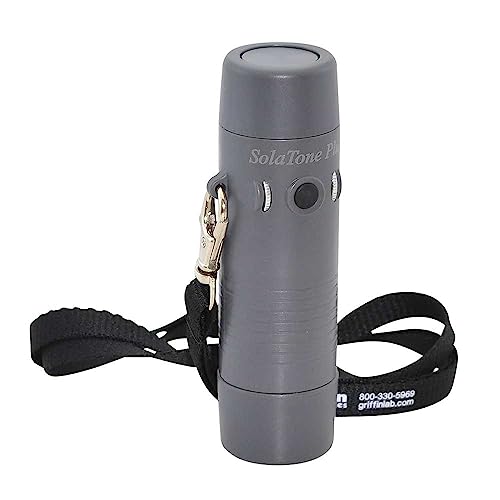
- Single-button design is easy to learn and use
- Adjustable tone and volume add flexibility
- Rechargeable batteries and 3-year warranty improve value
Best For: People who want a simple, durable speech aid with easy controls and rechargeable power.
Best for TV Listening
Williams Sound PockeTalker Ultra DUO

- 20–40 dB gain for close-range speech
- Includes headset, earbud, and TV cords
- Up to 100 hours of battery life
Best For: ALS patients and caregivers who need a simple amplifier for conversation and TV listening.
Best for Long Talk Time
Servox Digital XL Electro Larynx

- 50% more talk time than the prior model
- Standard AAA batteries simplify charging and replacement
- Comes with charger, adapters, batteries, and case
Best For: People who need a long-lasting electrolarynx with simple controls and travel-ready accessories.
Best for Easy Setup
WinBridge Wireless Voice Amplifier with Lapel Mic

- Auto-pairing makes setup quick and low-stress.
- Ultra-light clip mic is more comfortable than headsets.
- 12-15 hour speaker battery supports long use sessions.
Best For: People who want a simple, lightweight voice amplifier for teaching or everyday communication.
Best AAC Bedside Communicator

- 27 preset phrases with 3 custom record buttons
- Soft-touch buttons and simple, easy-to-learn layout
- Portable for hospital, rehab, school, and home use
Best For: People who need a simple AAC device for bedside communication, therapy, or temporary speech loss.
Best with Extra Features
WinBridge WB002 Voice Amplifier with Bluetooth

- Automatic Bluetooth pairing simplifies setup
- 15W output suits indoor rooms and classrooms
- 12-15 hour amplifier battery with lightweight wearability
Best For: People who want a simple, portable voice amplifier with long battery life and hands-free use.
Best Portable Entry-Level Amplifier
ZOWEETEK ZW-Z258 Portable Rechargeable Voice Amplifier

- Portable waist-worn design with rechargeable battery
- Hands-free wired headset microphone included
- Simple, budget-friendly option for basic speech support
Best For: People who need a lightweight, affordable amplifier for casual use and short outings.
Best for Clear Voice Projection
Portable Teacher Amp with Wired Mic

- Loud, clear output for speaking across a room
- Wired mic plus Bluetooth, aux, TF card, and recording
- Rugged IPX5-style build with belt clip and neck strap
Best For: People who want a durable personal PA with strong projection and flexible input options.
Best for Simple Setup – Chattervox 100 Voice Amplifier
The Chattervox 100 is a compact option to consider if you’re comparing voice amplifiers for ALS patients and want something straightforward, portable, and easy to live with day to day. It offers up to 15dB of voice boost, so it’s best suited to mild to moderate speech changes rather than severe amplification needs.
Best For: Users who want a simple, rechargeable speech amplifier with minimal controls and no complicated setup.
Pros:
- One-touch volume and power control makes it easy to use
- Rechargeable system includes batteries, charger, storage case, and belt extender
- Up to 14 hours of talk time on a full charge
- Affordable choice for low-volume speech support
Cons:
- No microphone is included
- 15dB gain may be too limited for more advanced speech loss
- Bulkier than a basic handheld amp at 2 pounds packaged weight
For buyers comparing voice amplifiers for ALS patients, the Chattervox 100 stands out for simplicity and rechargeable convenience rather than raw power. If you need a low-fuss amplifier for everyday communication support, it’s a practical entry-level pick.
Best for Loud, Simple Amplification – SuperEar SE7500 Hearing Amplifier
If you want a straightforward personal sound amplifier for everyday listening, the SuperEar SE7500 is a practical option to compare against other voice amplifiers for ALS patients. It boosts ambient sound, comes with both earbuds and headphones, and is easy to carry for home or on-the-go use.
Best For: Users who want a simple, portable sound amplifier with both discreet earbuds and over-ear headphones for casual conversation, TV, and general listening.
Pros:
- Amplifies ambient sound up to 50 dB with adjustable volume control
- Includes earbuds, headphones, batteries, carry pouch, and belt clip
- Lightweight, portable design with up to 80 hours of battery life
Cons:
- Not a dedicated speech-generating device or medical speech aid
- Sound response can vary depending on the user’s hearing needs
For buyers comparing voice amplifiers for ALS patients, the SE7500 makes sense when the goal is hearing nearby speech more clearly rather than adding advanced communication features. It’s best viewed as a basic amplification tool with useful accessories and easy portability.
Best for Simple Button Control – SolaTone Plus Electrolarynx
If you want a straightforward backup communication aid, the SolaTone Plus electrolarynx is a practical option to compare with voice amplifiers for ALS patients. It’s a single-tone, button-activated device with adjustable pitch and volume, so it can help users fine-tune clarity in different speaking environments.
Best For: People who need an easy-to-use, rechargeable speech aid with simple controls and a no-fuss learning curve.
Pros:
- Single-button operation keeps setup and daily use simple
- Adjustable tone and volume offer some flexibility for different voices and settings
- Rechargeable AA batteries and included charging cord help reduce ongoing battery costs
- Made in the U.S. with a 3-year drop-and-soak warranty
Cons:
- Requires practice to produce natural-sounding speech
- Not a hands-free solution
- Best suited to laryngectomy-style speech support rather than full-featured amplification
For shoppers comparing voice amplifiers for ALS patients, this model stands out more for its simplicity and durability than for advanced sound shaping. If you want a dependable, economical communication aid with minimal controls, it’s a sensible pick to consider.
Best for TV Listening – Williams Sound PockeTalker Ultra DUO
The Williams Sound PockeTalker Ultra DUO is a practical pick for voice amplifiers for ALS patients who need clearer one-on-one conversation and easier TV listening. It boosts nearby speech, offers simple external volume and tone controls, and comes with both a headset and earbud so users can choose the most comfortable setup.
Best For: ALS patients and caregivers who want an easy-to-use amplifier for conversations, small-group use, and TV audio.
Pros:
- 20–40 dB acoustic gain helps make nearby speech more audible.
- Includes headset, earbud, microphone, and TV listening cords for flexible use.
- Up to 100 hours of battery life on two AAA batteries.
- Simple controls and a removable belt clip make it straightforward to carry and adjust.
Cons:
- Not a hands-free speech generating device or communication aid.
- Best for close-range listening, so it won’t replace a full-room speaker system.
For buyers comparing voice amplifiers for ALS patients, this model stands out for its straightforward setup and everyday listening support rather than advanced features. It’s a solid choice when the priority is making nearby speech, TV dialogue, and car conversations easier to hear without a steep learning curve.
Best for Long Talk Time – Servox Digital XL Electro Larynx
If you’re comparing voice amplifiers for ALS patients, the Servox Digital XL is worth a look for users who need a reliable electro larynx with easy controls, adjustable tone settings, and better battery life. It’s designed more as a speech aid for severe voice loss than a general amplifier, making it a practical option for clear, device-assisted communication.
Best For: Adults who need an electro larynx with long battery life, simple one-finger controls, and travel-ready accessories.
Pros:
- 50% more talk time than the previous model
- Uses standard AAA batteries instead of specialty cells
- Includes charger, adapters, batteries, and carrying case
- Adjustable pitch and volume for clearer speech shaping
Cons:
- Not a traditional voice amplifier; it’s an electrolarynx
- May take practice to get natural-sounding speech
- Higher-cost option than basic communication aids
For shoppers comparing voice amplifiers for ALS patients, this model stands out if the priority is dependable speech assistance, easy handling, and included accessories rather than a simple handheld amplifier. The longer runtime and standard battery format make it especially practical for everyday use and travel.
Best for Easy Setup – WinBridge Wireless Voice Amplifier with Lapel Mic
If you’re comparing voice amplifiers for ALS patients, this WinBridge model stands out for its simple auto-pairing, lightweight lapel mic, and no-headset design that can make everyday speaking feel less tiring. It’s geared more toward hands-free comfort and quick setup than advanced audio control, so it’s a practical pick for home use, teaching, or any situation where a clear voice matters.
Best For: Users who want an ultra-simple, lightweight voice amplifier with easy clip-on use and all-day battery life for teaching, presentations, or home communication.
Pros:
- Auto-pairing keeps setup fast and straightforward.
- Light 18.3g mic avoids bulky headset pressure.
- Strong battery life supports long days of use.
- Bluetooth playback adds extra flexibility for media and music.
Cons:
- Not ideal if you need simultaneous music and voice amplification.
- Designed primarily for small to medium spaces, not large venues.
- Clip-on mic may be less secure than a headset for very active movement.
For shoppers comparing voice amplifiers for ALS patients, the main appeal here is convenience: it’s easy to start, easy to wear, and easy to recharge. If you want a straightforward amplifier that reduces vocal strain without a complicated learning curve, this is a strong contender.
Best AAC Bedside Communicator – Talker Buddy AAC Device
If you’re comparing voice amplifiers for ALS patients, the Talker Buddy is a different kind of communication aid: it’s built to help non-verbal users express needs, pain, and choices clearly when speaking isn’t possible. Its hospital-friendly design, preset phrases, and custom recording features make it a practical fit for bedside use, rehab, and home care.
Best For: Patients, caregivers, and clinicians who need a simple AAC device for bedside communication, speech therapy, or temporary speech loss.
Pros:
- 27 preset phrases plus 3 custom record buttons for personalized communication
- Soft-touch buttons and a simple layout are easier to use with limited strength or mobility
- Portable with a carrying bag for hospital, rehab, school, or home use
- Made for medical and therapy settings with adjustable volume
Cons:
- Not a true voice amplifier, so it won’t increase speech volume
- Best suited to structured phrase-based communication rather than open conversation
- Works best when caregivers help set up custom messages
For shoppers focused on voice amplifiers for ALS patients, this is worth considering only if the goal is message-based communication rather than speech amplification. Talker Buddy is strongest as a practical AAC tool for users who need a reliable, low-effort way to communicate in clinical or home settings.
Best with Extra Features – WinBridge WB002 Voice Amplifier with Bluetooth
For buyers comparing voice amplifiers for ALS patients, the WinBridge WB002 stands out for its simple pairing, lightweight build, and long battery life. It is designed more like a portable classroom/public-speaking amplifier than a medical communication device, but it can still be a practical option for anyone who needs a louder, hands-free voice boost in a straightforward setup.
Best For: Users who want a low-fuss, portable voice amplifier with Bluetooth headset support and long runtime for indoor use.
Pros:
- Easy automatic pairing makes setup quick and beginner-friendly
- 15W output is loud enough for classrooms and other medium indoor spaces
- Long battery life helps it last through extended speaking sessions
- Lightweight design includes a belt clip, neck strap, and headset mic
Cons:
- Not specifically designed as an AAC or medical speech-support device
- Best suited to indoor use rather than large outdoor environments
- Headset-first design may not fit every ALS use case
As a budget-friendly portable amplifier, the WB002 is appealing if you want something easy to get running right away. For voice amplifiers for ALS patients, it makes the most sense when simplicity, portability, and loud output matter more than specialized accessibility features.
Best Portable Entry-Level Amplifier – ZOWEETEK ZW-Z258 Portable Rechargeable Voice Amplifier
If you’re comparing voice amplifiers for ALS patients, this compact ZOWEETEK model is worth a look for simple day-to-day speech support. It combines a headset mic, rechargeable battery, and waist-worn design, making it easier to stay hands-free during conversations, appointments, or light activity.
Best For: People who want an affordable, portable voice amplifier for casual indoor use, assisted communication, or speaking support on the go.
Pros:
- Lightweight, wearable design with waistband clip for portability
- Rechargeable and easy to carry for short outings or home use
- Includes a wired headset microphone for hands-free speaking
- Supports MP3 audio playback for basic multimedia use
Cons:
- Smaller mini amplifier may not be loud enough for larger rooms
- Wired mic setup can feel less flexible than wireless options
- Better suited to basic amplification than advanced speech needs
For buyers evaluating voice amplifiers for ALS patients, this is a practical starter choice when portability and simplicity matter more than high-end output or extra features. It’s best viewed as a budget-friendly everyday amplifier rather than a specialized medical communication device.
Best for Clear Voice Projection – Portable Teacher Amp with Wired Mic
If you’re comparing voice amplifiers for ALS patients, this model stands out for delivering a loud, clear signal in a compact, easy-to-carry format. It’s designed for practical everyday use, with wired mic input, Bluetooth, and recording features that can help support speech in classrooms, appointments, or other public settings.
Best For: Users who need a sturdy personal PA with strong projection, wired microphone support, and extra playback options.
Pros:
- Clear, loud output that works well for speaking to small groups or across a room
- Wired headset mic, plus Bluetooth, aux, TF card, U disk, and recording support
- IPX5-style waterproof, shockproof, and dust-resistant build for more rugged use
- Includes belt clip and neck strap for hands-free carrying
Cons:
- Headset microphone is wired, not wireless
- Bulkier than a simple clip-on voice assist device
- Feature set may be more than some users need for basic speech amplification
For buyers comparing voice amplifiers for ALS patients, this is a versatile option if you want louder projection, a durable shell, and flexible playback inputs in one device. The tradeoff is that it’s built more like a compact PA than a minimalist speech aid.
How We Picked the Best Voice Amplifiers for ALS Patients
We prioritized devices that are simple to operate, comfortable for extended use, and able to improve speech projection without demanding fine motor control. For Voice Amplifiers for ALS Patients, ease of setup and dependable output matter as much as raw volume.
We also looked at battery life, microphone style, carry options, and whether a device is better suited for one-on-one conversation, caregiver communication, or broader room coverage.
Quick Comparison
Voice amplifiers generally fall into a few useful categories: portable PA-style amplifiers for speaking, personal sound amplifiers for listening support, and speech-generating or electrolarynx devices for users with more advanced voice loss. Choosing the right type depends on how much natural speech remains and how much speaking effort is comfortable.
Key Buying Factors for Voice Amplifiers for ALS Patients
Speech Support Type
If the user can still speak but needs more projection, a standard voice amplifier is usually the best fit. If speech is very limited, an electrolarynx or AAC communication device may be more appropriate than a traditional amplifier.
Comfort and Wearability
Lightweight units, adjustable headsets, and clip-on or waist-worn designs can reduce strain during longer conversations. Comfort is especially important when fatigue is a concern.
Sound Clarity Over Volume
Loudness alone is not enough. Clear microphone pickup, low distortion, and stable output help listeners understand speech more easily in homes, clinics, or public spaces.
Controls and Battery Life
Simple buttons, quick charging, and a battery that lasts through daily routines make a real difference. Complicated menus can be frustrating for users and caregivers alike.
Who Should Buy Which Voice Amplifiers for ALS Patients?
Choose a portable voice amplifier if the goal is to make existing speech easier to hear in conversations, appointments, or group settings. Consider an electrolarynx if speech is severely reduced or no longer reliable. AAC and recordable speech aids can be useful for bedside communication, therapy, or situations where hands-free, repeatable messages are helpful.
For Voice Amplifiers for ALS Patients, the best choice is the one that matches current communication ability, preserves energy, and feels easy to use every day. Start with the simplest device that solves the main problem, then move up only if speech support needs become more advanced.