Choosing a wearable emergency button for dementia is about more than pressing a call alarm. The best options help reduce confusion, speed up caregiver response, and fit naturally into daily routines.
Below, we focus on systems that are easy to wear, practical for home use, and built to deliver fast alerts when help is needed most.
Best 10 Wearable Emergency Button for Dementia Picks for 2026
Best for App-Based Alerts
PILSAMAS WiFi Caregiver Call Button System

- Wearable wristband and lanyard options
- App shows custom name and location
- No monthly fee for basic notifications
Best For: Families who want flexible call buttons with app alerts and easy dementia-care identification.
Best for Multi-Room Monitoring
Emergency Alert & Movement Sensor Tags

- Panic button plus movement and fall-alert functions
- Water-resistant for shower and bathroom use
- Up to 10-year battery life with compact design
Best For: Caregivers who already use Nomo and want flexible alert coverage for dementia support and home safety.
Best for Wi‑Fi Alerts
PILSAMAS WiFi Caregiver Pager System

- App alerts and caller ID-style identification
- IP65 waterproof wristband for bathroom use
- No monthly fee for core notifications
Best For: Families caring for someone with dementia who want a waterproof wearable alert system with Wi‑Fi app notifications.
Best for No-Subscription Alerts
Caregiver Pager Wireless SOS Button

- 38 selectable melodies for room-by-room call identification
- Long-range wireless coverage for larger homes
- No Wi‑Fi or monthly fee required
Best For: Dementia caregiving at home when you want a simple, low-cost alert system.
Best for Easy Setup
NOMO Smart Care Medical Alert System
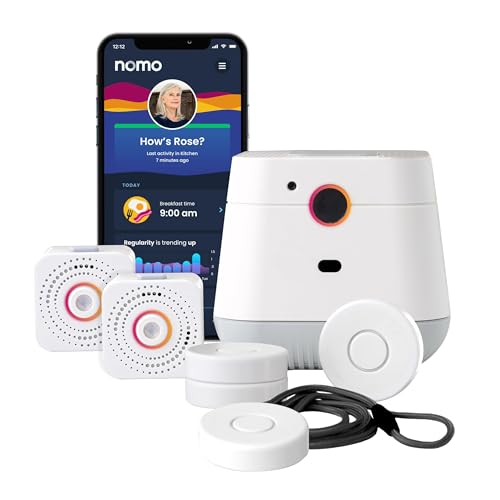
- Wearable tag doubles as a panic button
- Camera-free in-home monitoring over WiFi
- 60-day monitoring trial with emergency response
Best For: Caregivers and seniors who want a simple, privacy-friendly in-home alert system.
Best Multi-Room Coverage
CallToU Caregiver Pager with 3 Receivers

- 3 plug-in receivers improve room-to-room coverage
- Wearable or mountable call buttons for flexible use
- 55 ringtones and adjustable volume for easier alerting
Best For: Caregivers who need a simple alert button system for seniors or dementia care across multiple rooms.
Best for Reviewable Alerts
Caregiver Pager Wireless Call Buttons

- 4 call buttons for wider room-to-room coverage
- Review-and-clear alerts help track multiple calls
- Portable receiver with volume and vibration options
Best For: Caregivers who want a flexible alert system for seniors or dementia support with easy call review.
Best Heavy-Duty Pick
CallToU Wi‑Fi Caregiver Pager with App
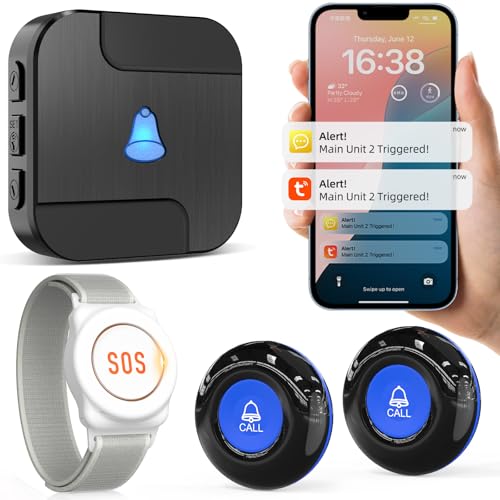
- App-based alerts for remote caregiver coverage
- Family sharing through the Tuya app
- Loud receiver with flashing light and custom tones
Best For: Families wanting a Wi‑Fi-connected caregiver alert system for dementia or fall support.
Best for Simple Multi-Alert Coverage
Wireless Caregiver Pager System

- 2 call buttons and 2 portable pagers
- Easy SOS-style alert operation
- Flexible wear, wall, and bedside placement
Best For: Families and caregivers who want a simple, portable alert system for home dementia care.
Best for App-Based Alerts – PILSAMAS WiFi Caregiver Call Button System
If you want a practical wearable emergency button for dementia care, this PILSAMAS system adds a simple call method plus app-based alerts so caregivers can respond quickly without a monthly fee. It’s designed for homes, nursing care, and other settings where identifying who called and where they are matters fast.
Best For: Families and caregivers who want wearable and wall-mounted call options with phone alerts, custom names, and no subscription for basic app notifications.
Pros:
- Wearable wristband and lanyard button options make it flexible for different care routines
- App shows custom name and location, which is helpful in dementia care emergencies
- No monthly fee for lifetime app updates and notifications
- IP65 water resistance suits bathrooms, showers, and other wet areas
Cons:
- Hub requires 2.4G Wi-Fi, not 5G
- SMS, phone, and email alerts need an optional subscription plan
- Alert range and app performance depend on home layout and Wi-Fi setup
This is a strong fit if you need a wearable emergency button for dementia that prioritizes simple triggering, identifiable alerts, and flexible placement around the home. It’s less about advanced medical monitoring and more about making caregiver response quicker and easier.
Best for Multi-Room Monitoring – Emergency Alert & Movement Sensor Tags
If you need a wearable emergency button for dementia that can do more than just call for help, this Nomo-compatible tag set is built for practical home monitoring. It’s a good fit for tracking movement, spotting activity at key locations, and giving caregivers a simple alert option in showers or other high-risk areas.
Best For: Caregivers who want a flexible alert tag system for dementia support, bathroom safety, and everyday activity monitoring.
Pros:
- Works as a panic button, movement tag, and fall-detection alert with Nomo Care Kit compatibility.
- Water-resistant design makes it more useful for shower and bathroom monitoring.
- Long 10-year battery life reduces maintenance and replacement hassles.
- Compact size and included lanyard option make it easier to wear or place around the home.
Cons:
- Requires the Nomo hub and subscription, so it is not a standalone emergency button.
- Works best as part of a broader monitored system rather than as a simple one-button alarm.
For families already using Nomo, this is a smart add-on that expands coverage without much upkeep. As a wearable emergency button for dementia, it stands out most for flexible placement, long battery life, and bathroom-safe alerting.
Best for Wi‑Fi Alerts – PILSAMAS WiFi Caregiver Pager System
If you need a wearable emergency button for dementia care that can notify family quickly without a monthly monitoring fee, this PILSAMAS system is built around simple one-press alerts. The Wi‑Fi hub adds app notifications and caller ID-style identification, while the wearable wristband and extra buttons give you flexible placement around the home.
Best For: Families caring for someone with dementia who want fast room-level alerting, app notifications, and a waterproof wearable button for everyday use.
Pros:
- Wi‑Fi app alerts help caregivers receive notifications from anywhere
- IP65 waterproof wristband and buttons work well for bathrooms and other wet areas
- Assign names/locations to buttons for quicker response and less confusion
- No monthly fee for core app notifications
Cons:
- Requires 2.4 GHz Wi‑Fi, not 5 GHz
- SMS, call, and email alerts need an optional plan
- Best suited to indoor use rather than true long-range outdoor coverage
Overall, this is a practical wearable emergency button for dementia care if you want a straightforward home setup with water resistance, app visibility, and easy button assignment. It’s less of a medical-monitoring subscription system and more of a flexible alert solution for families who want control without ongoing fees.
Best for No-Subscription Alerts – Caregiver Pager Wireless SOS Button
If you want a practical wearable emergency button for dementia, this Caregiver Pager system gives caregivers a simple way to hear an SOS call without relying on Wi‑Fi, a phone app, or monthly fees. It is designed for home care situations where fast, audible alerts matter more than extra features.
Best For: Dementia care at home, especially for caregivers who need a low-maintenance alert system with long range and easy plug-and-play setup.
Pros:
- 38 melody options help distinguish calls from different rooms or transmitters
- Long wireless range covers larger homes and open areas without Wi‑Fi
- No subscription or monthly monitoring fee keeps ongoing costs low
- Portable transmitter can be worn, carried, or mounted where needed
Cons:
- Single receiver and transmitter included, so larger setups may need extras
- Requires battery changes for the transmitter over time
- Audio alerts may not be enough if you need two-way communication
This is a straightforward choice if you need a wearable emergency button for dementia that focuses on reliability and speed rather than app-based monitoring. Its simple design makes it easy to deploy in bedrooms, hallways, or common areas for quick caregiver response.
Best for Easy Setup – NOMO Smart Care Medical Alert System
If you want a wearable emergency button for dementia that also adds in-home fall detection, the NOMO Smart Care Medical Alert System is built for simple, camera-free monitoring over WiFi. It combines a hub, motion-sensing satellites, and wearable tags to send alerts, support two-way voice communication, and notify caregivers when unusual movement or a fall is detected.
Best For: Seniors aging in place and caregivers who want a low-hassle, privacy-friendly alert system with a wearable panic button and optional monitoring support.
Pros:
- Fast plug-and-play setup with no landline or technician visit required
- Wearable tag can function as a panic button, with adjustable fall alert sensitivity
- Includes 60-day trial of 24/7 monitoring with RapidSOS emergency response
- Camera-free design keeps the system more private than video-based alternatives
Cons:
- Requires home WiFi and monthly subscription after the trial
- Works best as an in-home system, not a true on-the-go alert device
For families comparing a wearable emergency button for dementia, NOMO stands out for blending a simple wearable tag with room-level monitoring and caregiver alerts. It is a practical choice if you want easier setup and emergency calling without adding cameras or complicated wiring.
Best for Simple SOS Alerts – Caregiver Pager Wireless Call Buttons
If you need a practical wearable emergency button for dementia care, this wireless pager system keeps calling simple: press the SOS button and the caregiver pager alerts right away. With two call buttons, a portable receiver, and a choice of chime or alarm, it’s a straightforward home monitoring option for families who want fast notification without a complicated setup.
Best For: Home caregivers who want an easy, low-friction alert system for seniors, dementia patients, or anyone who may need quick help in the bedroom, bathroom, or living area.
Pros:
- Includes 2 call buttons and 1 portable pager for coverage in multiple rooms
- Simple one-touch SOS operation is easy for seniors to understand
- 500-foot open-area range supports small homes and care settings
- Chime or alarm mode lets caregivers choose a louder, more urgent alert
Cons:
- Not a true medical alert service with monitoring response
- Best suited to home use rather than large properties
- Requires placing or wearing the button where it’s accessible
For buyers comparing a wearable emergency button for dementia, this model stands out for its simplicity and room-to-room flexibility rather than advanced features. It’s a solid pick when the priority is making sure a loved one can send a fast, obvious alert with minimal effort.
Best Multi-Room Coverage – CallToU Caregiver Pager with 3 Receivers
If you need a practical wearable emergency button for dementia, this CallToU pager system is built around quick alerts and broad coverage. With three plug-in receivers and three portable transmitters, it helps caregivers hear calls from multiple rooms, while the neck-strap option makes it easy to keep a button close at hand.
Best For: Home caregivers who want a simple, low-maintenance alert system for seniors, patients, or loved ones with dementia spread across several rooms.
Pros:
- Three receivers help notifications carry through bedrooms, kitchens, and living areas
- Portable call buttons can be worn around the neck or mounted nearby
- 55 ringtones and 5 volume levels make it easier to tailor alerts to the home
- Waterproof and dustproof buttons add peace of mind in bathrooms and outdoor use
Cons:
- Receivers must stay plugged into outlets, so placement depends on available sockets
- It is an alert system, not a two-way intercom or monitored medical device
This is a strong fit if you want a straightforward wearable emergency button for dementia without complicated setup. The extra receivers and portable transmitters make it easier to cover a larger home and respond faster when help is needed.
Best for Reviewable Alerts – Caregiver Pager Wireless Call Buttons
If you want a wearable emergency button for dementia care that helps a caregiver stay informed without constantly checking in, this pager system is built for practical home use. It pairs multiple call buttons with a portable receiver, making it easier to know when help is needed and where the alert came from.
Best For: Caregivers who need a flexible call system for seniors, dementia support, or home monitoring with clear alert review and multiple button coverage.
Pros:
- Four call buttons make it easier to cover multiple rooms or caregiving areas.
- Review-and-clear alert feature helps reduce missed calls when several alerts come in.
- Adjustable volume, vibration mode, and call memory add useful day-to-day flexibility.
- Portable pager and included mounting options support both home and on-the-go use.
Cons:
- It is a pager system, not a true wearable panic button for the user.
- Alert management may take a little setup to match your preferred routine.
For families comparing a wearable emergency button for dementia, this model stands out more for caregiver notification and alert review than for simple one-touch use. That makes it a smart fit when you need dependable coverage, multiple call points, and a system that helps keep help requests organized.
Best Heavy-Duty Pick – CallToU Wi‑Fi Caregiver Pager with App
For shoppers comparing a wearable emergency button for dementia, this CallToU system stands out by combining a local wireless call button with app-based alerts you can check anywhere. It’s a practical fit if you want a simple home setup with louder bedside-style alarms, family sharing, and optional text or phone notifications for added peace of mind.
Best For: Families who want a Wi‑Fi-connected caregiver alert system for seniors, dementia care, or at-home fall help.
Pros:
- App notifications let caregivers receive alerts on their phones, even when they’re away from home.
- Share alerts with family members through the Tuya app so more than one person can respond.
- Custom ringtones and button names help you identify which person triggered the alarm.
- Local receiver includes loud sound and flashing lights for fast in-home attention.
Cons:
- Requires 2.4 GHz Wi‑Fi, so it won’t work on 5 GHz-only networks.
- App is useful, but this is not a true wearable device on its own.
- Phone or text alerts require an extra monthly subscription.
If you want a wearable emergency button for dementia care plus broader caregiver coverage, this is a strong hybrid option because it extends alerts beyond the home and makes it easier for multiple family members to stay informed.
Best for Simple Multi-Alert Coverage – Wireless Caregiver Pager System
If you want a practical wearable emergency button for dementia care, this wireless caregiver pager system keeps help within reach without requiring a full intercom or medical alarm setup. It includes two call buttons and two portable pagers, making it a useful fit for homes where more than one person may need quick access to assistance.
Best For: Families, home caregivers, and small care settings that need an easy-to-use alert system with flexible placement and portable notification.
Pros:
- Includes 2 call buttons and 2 portable pagers for broader coverage
- Simple SOS-style operation that’s easy to understand in an emergency
- Flexible mounting and wearing options, including lanyard and wall placement
- Adjustable alert modes with doorbell chime or continuous alarm
Cons:
- Better suited to indoor use than long-range outdoor monitoring
- Not a full medical alert service with cellular monitoring
- Works best when the user can reliably press the button or pendant
This is a solid pick if you need a straightforward wearable emergency button for dementia care and want multiple alert points without extra complexity. Its biggest strength is the simple setup and portable pager design, which makes it easier to keep caregivers informed at home.
How We Picked the Best Wearable Emergency Button for Dementia
For this roundup, we prioritized Wearable Emergency Button for Dementia options that are simple to use, offer dependable alerting, and suit common home-care setups. We looked for clear activation methods, wearable comfort, range or app-based notification options, and features that reduce setup friction for caregivers.
We also considered whether a system is better for a single user, a shared caregiving household, or someone who may need both wearable and stationary call points.
Quick Comparison
Some systems are best for straightforward local alerts, while others add smartphone notifications, caller ID, fall detection, or Wi‑Fi connectivity. A basic wireless pager may be ideal if you want fast, low-complexity signaling. App-connected models are a stronger fit if caregivers need remote visibility or live away from the home.
Key Buying Factors for a Wearable Emergency Button for Dementia
Ease of Use
Choose a button that is simple to press, easy to wear, and unlikely to be removed or forgotten. Large, obvious activation points are usually better than small or complicated controls.
Alert Type
Consider whether you need an audible pager, phone notifications, or both. For dementia care, the best system is the one caregivers will actually hear and respond to quickly.
Wearability and Comfort
Lanyards, wristbands, and clip-style designs each have trade-offs. Wristbands may stay on better for active users, while lanyards can be easier to spot and remove.
Range and Connectivity
If the caregiver is nearby, long wireless range may be enough. If you need alerts beyond the home, Wi‑Fi and app support are more useful. Just make sure the signal path is reliable in the rooms where help is most likely to be needed.
Durability and Water Resistance
Look for water-resistant or waterproof designs when daily wear, bathroom use, or accidental spills are concerns. A durable housing can make the system more dependable over time.
Who Should Buy Which Wearable Emergency Button for Dementia?
If you want the simplest setup, choose a basic wireless call button and pager. If you need caregiver phone alerts, go with a Wi‑Fi or app-connected model. If fall risk is a major concern, a system with fall detection may be worth the added cost.
For households balancing dementia care, mobility issues, and multiple caregivers, a flexible Wearable Emergency Button for Dementia system with both wearable and room-based call points is often the most practical choice.