A bed exit alarm can give caregivers notice when an older adult starts to get up, but the right setup depends on how the person sleeps, where caregivers are, and how they need to receive alerts.
These 10 options cover bedside pagers, early-alert sensors, discreet under-mattress pads, bed-and-chair sets, and app notifications. Use the guide below to narrow the field before choosing a system.
Best 10 Wireless Bed Exit Alarm for Elderly Picks for 2026
Best Early Warning
Lunderg Wireless Early Alert Bed Alarm

- Alerts before the person leaves bed
- Hip-level 10-by-30-inch pressure pad
- Pager has volume and vibration options
Best For: Caregivers seeking advance notice of bed exits
Best Hidden Sensor
Lunderg Under-Mattress Bed Alarm

- Sensor sits out of sight under mattress
- Designed to alert before standing
- Works with mattresses up to 13 inches thick
Best For: People likely to move or reject a visible bed pad
Best Motion-Sensor Option
Nesthao Wireless Bed Exit Alarm
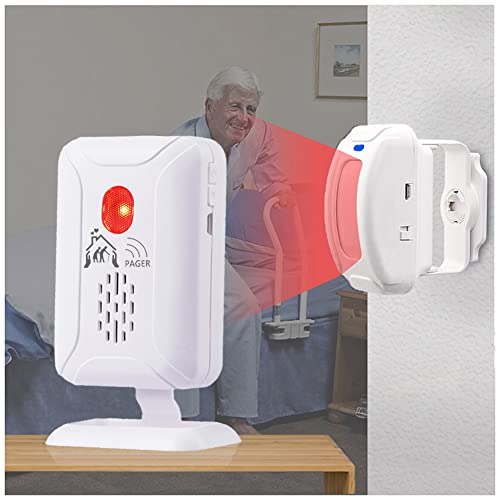
- No pressure pad on the bed
- Sensor can monitor bed or doorway
- Sound and LED pager reminders
Best For: Caregivers wanting flexible motion-sensor placement
Best Standard Bed Pad
Lunderg Wireless Bed Alarm System

- Alerts when the person gets up
- Anti-slip stickers help secure pad
- Pager has volume and vibration options
Best For: Simple bed-exit alerts without an in-room alarm
Best for Easy Setup
Smart Caregiver Early Alert Bed Alarm

- 10 x 36-inch hip-level sensing pad
- Pager vibrates or sounds an alert
- Supports up to 10 compatible sensors
Best For: Pre-exit alerts with room to expand monitoring
Best for Larger Pad Coverage
Lunderg Large Wireless Bed Alarm

- 20 x 30-inch bed pad
- Anti-slip stickers included
- Pager range stated up to 400 feet
Best For: Restless sleepers and straightforward bed-exit alerts
Best Bed-and-Chair Set
Lunderg Wireless Early Alert Set

- Bed and chair pads share one pager
- Bed pad alerts before exit
- Vibration-only or audible pager alerts
Best For: Monitoring both bed and chair with one pager
Best for Remote App Alerts

- GeniLife app alerts and remote settings
- 20-by-28-inch waterproof sensing pad
- Requires 2.4GHz Wi-Fi
Best For: Caregivers who prefer phone alerts
Best Heavy-Duty Pick

- Bed and chair pads share one pager
- Volume and vibration-only options
- No Wi-Fi or app required
Best For: Bed and chair monitoring with one pager
Best Expandable Pager System
Smart Caregiver Bed Exit Alarm

- Sound or vibration pager alerts
- Supports up to six compatible sensors
- Under-shoulder placement for earlier alerts
Best For: Caregivers planning to add monitoring sensors
Best Early Warning – Lunderg Wireless Early Alert Bed Alarm
If you need a wireless bed exit alarm for elderly care that signals before someone is fully out of bed, this Lunderg system is the early-alert option. Its 10-by-30-inch pressure pad sits at hip level and sends alerts to a caregiver’s pager rather than sounding at the bedside.
Best For: Caregivers who want a chance to respond before a loved one gets out of bed.
Pros:
- PreRise sensor is designed to alert before the person leaves the bed.
- Pager offers adjustable volume or vibration-only alerts, with a stated range of up to 400 feet.
- No Wi-Fi or app required; batteries are included.
Cons:
- The pad rests on the bed, so it is not hidden from the person being monitored.
- The stated 15-month pad lifespan means it will eventually need replacing.
Choose this model when earlier notice matters more than keeping the sensor out of sight. Positioning the pad at hip level is central to how its early-alert feature works.
Best Hidden Sensor – Lunderg Under-Mattress Bed Alarm
This wireless bed exit alarm for elderly care places its pressure pad under the mattress, keeping the sensor out of sight and off the sleeping surface. Lunderg’s PreRise system sends an early alert to the caregiver’s pager without sounding an alarm at the bedside.
Best For: Households where a visible or bed-top sensor pad may be disturbed or rejected.
Pros:
- Under-mattress placement keeps the pad hidden and removes it from direct contact with the sleeper.
- Designed to alert before the person stands up.
- Pager supports adjustable volume or vibration-only alerts; batteries are included.
Cons:
- Designed for mattresses 13 inches thick or less.
- The stated 15-month sensor-pad lifespan means eventual replacement.
Its main advantage over a bed-top pad is discretion. Check mattress thickness before buying, since the early-alert system is specified for mattresses no thicker than 13 inches.
Best Motion-Sensor Option – Nesthao Wireless Bed Exit Alarm
For a wireless bed exit alarm for elderly care that does not use a pressure pad, this Nesthao kit pairs a motion sensor with a caregiver pager. Place the sensor under the bed to detect a foot approaching the floor, or position it at a doorway to monitor someone leaving the room.
Best For: Caregivers who prefer motion detection or want the option to monitor a doorway.
Pros:
- Under-bed placement avoids pressure-pad issues such as shifting or incontinence.
- The same sensor can be used at a door.
- Pager provides sound and LED reminders; batteries are included.
Cons:
- Detection depends on testing the sensor’s range and direction before fixing it in place.
- Foot-level sensing may give less advance notice than a pressure pad designed to alert before standing.
This is the flexible choice if you want to monitor either a bed exit or a doorway. Follow the setup instructions and test placement so the sensor covers the intended path.
Best Standard Bed Pad – Lunderg Wireless Bed Alarm System
This wireless bed exit alarm for elderly care takes a straightforward approach: a 10-by-30-inch bed pad signals a handheld caregiver pager when the person gets up. It requires no Wi-Fi or app and does not sound an alarm in the room.
Best For: Caregivers who want a simple alert when someone gets out of bed, rather than an advance warning.
Pros:
- Anti-slip stickers help keep the pad in place.
- Soft foam pad has an incontinence-resistant, wipe-clean surface.
- Pager offers adjustable volume and vibration-only mode; batteries are included.
Cons:
- Alerts when the person gets up, not before they leave the bed.
- The sensor pad remains on the bed and may be noticeable.
Pick this model if an exit alert is sufficient. If you need time to respond before the person is out of bed, consider an early-alert model instead.
Best for Easy Setup – Smart Caregiver Early Alert Bed Alarm
This wireless bed exit alarm for elderly users places a 10 x 36-inch weight-sensing pad under the hips to notify a caregiver as the person shifts toward the bed’s edge. The included pager offers vibration or adjustable-volume sound, so alerts can suit daytime or overnight care.
Best For: Caregivers who want a pre-exit alert and the option to add more sensors later.
Pros:
- Hip-level pad is designed to alert before the person stands.
- Pager offers vibration and adjustable-volume sound.
- One pager supports up to 10 compatible Smart Caregiver sensors.
Cons:
- Additional chair, door, floor, motion, or call-button sensors are sold separately.
- Pad placement under the hips matters for the intended early alert.
Choose this system if advance notice matters more than simply knowing someone has left the bed. Its expandable pager is useful if your monitoring needs grow.
Best for Larger Pad Coverage – Lunderg Large Wireless Bed Alarm
This wireless bed exit alarm for elderly users pairs a 20 x 30-inch pressure pad with a portable caregiver pager. It alerts when the person gets up, while the larger pad and included anti-slip stickers are intended to help with coverage and pad movement.
Best For: Restless sleepers who need a larger bed pad and caregivers who want a simple, app-free pager.
Pros:
- 20 x 30-inch pad provides extra coverage.
- Included anti-slip stickers help hold the pad in place.
- Pager offers adjustable volume or vibration-only alerts, with a stated range of up to 400 feet.
- No Wi-Fi or app is required; batteries are included.
Cons:
- Alerts when the person gets up, not before they leave the bed.
- Monitors the bed only; a chair pad is not part of this kit.
The larger surface makes this a practical pick when pad coverage is the priority. If you specifically need advance warning before standing, look for an early-alert model instead.
Best Bed-and-Chair Set – Lunderg Wireless Early Alert Set
This wireless bed exit alarm for elderly users combines a hip-level early-alert bed pad with a chair pad, both linked to one handheld pager. The bed pad is designed to notify caregivers before the person gets out of bed; the chair pad alerts when they stand.
Best For: Caregivers who need bed and chair monitoring through a single portable pager.
Pros:
- Includes both a 10 x 33-inch bed pad and a chair pad.
- Hip-level bed pad provides a pre-exit alert.
- Pager offers adjustable volume or vibration-only alerts and a stated range of up to 400 feet.
- No Wi-Fi or app is needed; batteries are included.
Cons:
- Chair pad alerts when the person stands, rather than before.
- Two pads may be more than you need if you only monitor the bed.
This set is the more versatile choice when a loved one regularly moves between bed and chair. Its distinction is early warning at the bed plus stand-up notification at the chair, without carrying separate pagers.
Best for Remote App Alerts – Briidea Wi-Fi Bed Exit Alarm
If you need a wireless bed exit alarm for elderly care that can notify you through your phone, the Briidea system pairs a 20-by-28-inch pressure pad with alerts through the GeniLife app. It also lets you check battery status and adjust alarm settings remotely.
Best For: Caregivers who want app notifications while away from the bedside and have a 2.4GHz Wi-Fi network.
Pros:
- Sends app alerts when the person leaves the bed; optional SMS and phone calls are available.
- Wireless connection is rated up to 300 feet through walls.
- Waterproof nylon pad wipes clean and has a soft sponge layer.
Cons:
- Supports 2.4GHz Wi-Fi only.
- SMS and phone-call alerts may cost extra; the transmitter’s two AAA batteries are not included.
This is the phone-focused choice of the three. Check your Wi-Fi setup and preferred notification method before buying, especially if you need alerts beyond the app.
Best Heavy-Duty Pick – Lunderg Wireless Alarm Set
For a wireless bed exit alarm for elderly care that also covers a favorite chair, this Lunderg set includes both sensor pads and one portable pager. It works without Wi-Fi or an app and alerts the caregiver when the person gets up.
Best For: Households that need bed and chair monitoring through one carry-along pager.
Pros:
- Includes a 10-by-30-inch bed pad and a chair pad paired to the same pager.
- Pager offers adjustable volume or vibration-only alerts, without an alarm sounding at the bedside.
- Anti-slip stickers help keep the bed pad in place; both pads resist incontinence and wipe clean.
Cons:
- Alerts when the person gets up, not before they leave the bed.
- Uses a local pager rather than phone-based alerts.
The two-pad bundle is useful when a person moves between bed and chair during the day. If advance warning before they stand is essential, this is not Lunderg’s early-alert version.
Best Expandable Pager System – Smart Caregiver Bed Exit Alarm
The Smart Caregiver wireless bed exit alarm for elderly care combines a 10-by-30-inch pressure pad with a portable pager. Place the pad under the shoulders for an alert as the person starts getting up, or use it for notification when pressure is removed.
Best For: Caregivers who want pager alerts now and the option to add compatible sensors later.
Pros:
- Pager offers sound and vibration alert options.
- Supports up to six compatible Smart Caregiver sensors, including chair, doorway, and motion sensors.
- Extra-large contact sensor is designed to reduce false alarms; batteries are included.
Cons:
- Additional sensors for expanded coverage are not listed as part of this bed-pad kit.
- Early notification depends on placing the pad under the shoulders.
This system stands out if you expect monitoring needs to grow beyond the bed. Its placement flexibility is useful, but choose the under-shoulder position if an alert as the person begins to rise is your priority.
How We Picked the Best Wireless Bed Exit Alarm for Elderly
We focused on the differences that affect daily caregiving: when an alarm triggers, how it reaches a caregiver, where the sensor sits, and whether the system also covers a chair. The selection includes pressure-sensing pads, an under-mattress option, a motion-sensor option, pager-based systems, and a Wi-Fi model with app alerts. Product descriptions alone cannot establish real-world reliability, so confirm current specifications, pad replacement terms, and return policies before buying.
Quick Comparison: Match the Alert to the Care Setting
- Early-alert bed pads: Worth considering when a caregiver needs notice as the person begins to rise, rather than after they have left the bed.
- Standard weight-sensing pads: A straightforward choice if an alert when weight leaves the pad meets your needs.
- Under-mattress sensors: Keep the sensing surface out of sight and off the sheets; check mattress compatibility and placement instructions.
- Bed-and-chair sets: Useful when the person moves between both locations during the day.
- Wi-Fi app alerts: May suit caregivers who want phone notifications, provided the home network and app setup are dependable.
- Motion-sensor alerts: Offer an alternative to a pad, but placement matters if you want to avoid alerts from other movement.
Key Buying Factors for a Wireless Bed Exit Alarm for Elderly Care
Trigger Timing and Sensor Placement
Decide whether you need an early warning as someone shifts toward the edge of the bed or an alert only when they stand. Check the sensing area against the sleeper’s usual position and mattress size. A pad that is misplaced, folded, or positioned where the person does not rest may miss the movement you want to detect.
Alert Delivery and Practical Range
Choose a pager if an on-site caregiver needs a portable alert; consider app notifications if alerts must reach a phone. Verify the stated wireless range in your home, especially across floors or through thick walls. If the system uses Wi-Fi, check what happens during an internet or power outage. Adjustable volume can help in shared homes, but the alert must still be noticeable to the intended caregiver.
Maintenance and Comfort
Look at sensor power requirements, pager charging or batteries, cleaning instructions, and any pad replacement schedule. A discreet sensor may be preferable for someone who notices equipment in the bed, while a larger pad may offer more positioning flexibility. Follow the manufacturer’s guidance for bedding and mattress types.
Who Should Buy Which Wireless Bed Exit Alarm for Elderly?
Choose an early-alert system if response time is the priority; choose a conventional weight-sensing pad if a simple bed-exit notification is enough. An under-mattress model may suit someone who dislikes a visible pad. A bed-and-chair set fits caregivers who monitor both resting spots, while a Wi-Fi system is worth considering when phone alerts matter more than a dedicated pager. No bed exit alarm prevents a fall or replaces supervision: treat it as one part of a broader care plan.