For people living with ALS, the right communication device can protect independence, reduce frustration, and keep conversations flowing as speech changes.
This roundup focuses on practical options, from eye-controlled systems to alternative AAC tools, so you can compare what fits your current needs and budget.
Best 10 Eye-Tracking Communication Devices for ALS Picks for 2026
Best for Hands-Free Cursor Control
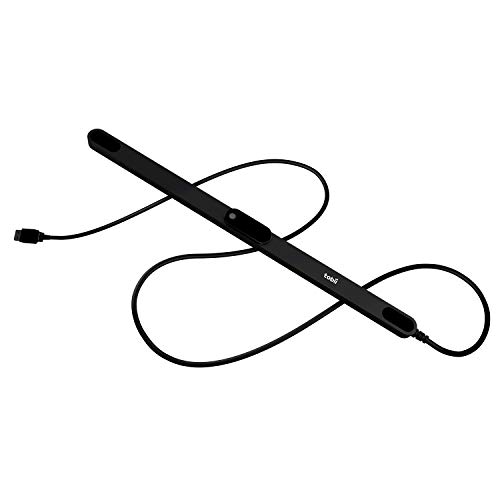
- Tracks eye and head movement together
- No wearable tracker required
- Works with Windows 10/11 and many supported games/apps
Best For: ALS users and caregivers who want a wearable-free Windows tracking option for computer control.
Best for Multi-Patient Use

- Adjustable frequency range for flexible use
- Internal microphone with background-noise reduction
- Lightweight, easy-to-clean design
Best For: Care teams or households needing a portable communication aid for multiple users.
Best for Simple Sequential Messaging
AbleNet Step-by-Step Speech Generation Device

- Easy sequential message playback
- Three recording levels for daily routines
- Loud digital sound for most settings
Best For: Users who need a simple message sequencer for routines and scripted communication.
Best for Simple Switch Control
Adaptive Bite Switch for Assistive Tech

- Bite-activated hands-free input
- 3.5mm plug-and-play compatibility
- Durable for repeated daily use
Best For: People who need a simple, reliable bite switch for compatible assistive devices and communication setups.
Best Portable Low-Vision Viewer
Used Freedom Scientific Ruby XL HD

- 5-inch handheld screen
- Good for close-up reading
- Portable companion aid
Best For: People who need a simple portable magnifier for everyday reading and visual support.
Best for Single-Message Switching
AbleNet BIGmack AAC Communication Device

- One-button AAC communicator with a large, easy-to-hit switch
- Records a personalized message up to two minutes long
- Durable, mountable design for home, school, or wheelchair use
Best For: Nonverbal users and caregivers who need a rugged single-message communication aid.
Best for Simple Speech Support
Joyreal AAC Device with 37 Talking Buttons

- 37 preloaded speech buttons for common daily needs
- 8 programmable buttons for custom messages
- Adjustable volume with male/female voice switch
Best For: Nonverbal users and caregivers who need a simple AAC tool for everyday communication.
Best for Simple Recorded Prompts
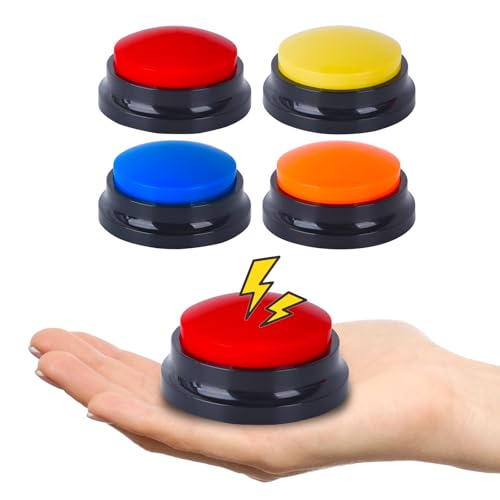
- 30-second custom recordings per button
- Portable 4-pack for home, school, or therapy
- Clear playback for simple AAC prompts
Best For: People who need an affordable, low-tech set of portable voice-recording buttons for basic communication support.
Best for Simple Daily Communication
Joyreal AAC Device with 37 Buttons

- 37 preset talking buttons for common daily phrases
- 8 programmable buttons for custom recordings
- Portable design with adjustable volume and voice switch
Best For: Nonverbal users, speech therapy, and basic AAC communication needs.
Best Large-Print Low-Tech Option
4-Pack 15"x11" Nonverbal Communication Boards

- Extra-large, easy-to-read picture prompts
- Double-sided board for more daily phrases
- Wipe-clean, portable design for care settings
Best For: Caregivers and patients who need a simple bedside AAC board instead of advanced eye-tracking support.
Best for Hands-Free Cursor Control – Tobii Eye Tracker 5
Tobii Eye Tracker 5 - Head & Eye Tracking Gaming Peripheral for Simulation Gaming
Check Price On AmazonIf you’re comparing eye-tracking communication devices for ALS, Tobii Eye Tracker 5 is worth a look for users who want hands-free screen navigation on a Windows PC without wearing a headset or clip-on sensor. It’s built for gaming, but its eye and head tracking combo can also support cursor control and general accessibility workflows when paired with the right software.
Best For: ALS users and caregivers who want a wearable-free eye-tracking option for Windows-based communication and computer control.
Pros:
- Tracks both eye and head movement for more flexible hands-free control
- Works in a wide range of lighting conditions, from dim rooms to bright daylight
- No wearable tracker needed, which can make setup feel less intrusive
- Compatible with Windows 10/11 and many supported applications
Cons:
- Primarily designed for gaming, not purpose-built AAC communication
- Requires a compatible Windows PC and external software for ALS communication use
- Not a standalone communication device
For buyers exploring eye-tracking communication devices for ALS, this model stands out more for its hands-free tracking convenience than for medical-grade AAC features. It can be a practical PC-based option if you already have a communication software stack in mind and want a non-wearable tracking setup.
Best for Multi-Patient Use – Patient Communication 2.0 KIT
For buyers comparing eye-tracking communication devices for ALS, the Patient Communication 2.0 KIT stands out as a practical, portable option built around clarity and shared use. Its adjustable frequency range, internal microphone, and noise-reduction features make it a sensible pick when you need reliable communication support in varied care settings.
Best For: Care teams, clinics, and households that need a lightweight communication device for more than one user.
Pros:
- Adjustable frequency range helps tailor performance to different environments
- Built-in internal microphone and T-coil loop compatibility support clearer audio
- Portable, ergonomic, lightweight design is easy to carry and clean
- Rechargeable-ready setup adds convenience for ongoing use
Cons:
- Not specifically an eye-tracking interface, so it may not suit every ALS communication need
- More useful in assisted listening and communication workflows than fully independent use
Overall, this kit is a strong fit if you want a durable, easy-to-manage communication aid rather than a dedicated high-tech speech system. For shoppers comparing eye-tracking communication devices for ALS, it is better viewed as a flexible support tool for shared care environments than a specialized eye-gaze solution.
Best for Simple Sequential Messaging – AbleNet Step-by-Step Speech Generation Device
If you need a straightforward AAC tool to support turn-taking, storytelling, or guided prompts, the AbleNet Step-by-Step Speech Generation Device is a practical option to consider alongside eye-tracking communication devices for ALS. It’s designed for easy sequential messaging, making it useful for caregivers, educators, and users who need a simple way to play back pre-recorded phrases in order.
Best For: Users who need an easy-to-use message sequencer for routines, storytelling, and basic communication support.
Pros:
- Records sequential messages quickly with simple setup
- Offers up to three message levels for different daily routines
- Digital sound is loud enough for many environments
- Useful for storytelling, counting, and scripted interactions
Cons:
- Not a full eye-gaze AAC system
- Limited to pre-recorded sequential messages rather than dynamic text input
- Best suited for simple communication, not complex conversation
While it won’t replace advanced eye-tracking communication devices for ALS, this Step-by-Step device can still be a helpful support tool for structured messaging and predictable communication moments. It’s strongest when simplicity, reliability, and fast setup matter more than full AAC flexibility.
Best for Simple Switch Control – Adaptive Bite Switch for Assistive Tech
The Adaptive Bite Switch is a practical add-on for users who need a straightforward hands-free trigger with adaptive hardware. For buyers comparing access methods alongside eye-tracking communication devices for ALS, this is a useful secondary control option for wheelchairs, communication aids, and other devices with a 3.5mm input.
Best For: Users who want a durable bite-activated switch for simple plug-and-play control of assistive technology, mobility devices, and communication setups.
Pros:
- Hands-free bite activation helps users with limited mobility control compatible devices.
- Standard 3.5mm connection makes setup quick and broadly compatible.
- Durable build is designed for repeated daily use.
- Works with wheelchairs, communication aids, rehab gear, and some gaming setups.
Cons:
- Requires a bite or gentle pressure, so it may not suit every user.
- Not a dedicated eye-tracking system; it’s an accessory input switch.
- Compatibility depends on the device’s 3.5mm switch input support.
This is a strong choice when you need a simple, reliable alternate input rather than a full communication platform. In setups that also use eye-tracking communication devices for ALS, a bite switch can provide an additional control path for faster access and more flexible daily use.
Best Portable Low-Vision Viewer – Used Freedom Scientific Ruby XL HD
If you need a compact visual aid to support day-to-day communication tasks, the Used Freedom Scientific Ruby XL HD is a practical option to consider alongside eye-tracking communication devices for ALS. Its 5-inch screen and handheld design make it useful for reading labels, menus, notes, and other close-up text without adding bulk to your setup.
Best For: People who want a simple, portable low-vision magnifier for reading and personal use.
Pros:
- Compact 5-inch screen is easy to carry and use at home or on the go
- Helpful for enlarging text in everyday reading tasks
- Can serve as a straightforward support tool in a broader accessibility setup
Cons:
- Not a dedicated eye-tracking communication device
- Used condition may vary, so buyer inspection matters
- Smaller screen may feel limited for extended viewing
For buyers comparing eye-tracking communication devices for ALS, this is better viewed as a lightweight reading aid than a full speech-access solution. It can still be a useful companion device for simpler visual tasks, especially when portability matters more than advanced communication features.
Best for Single-Message Switching – AbleNet BIGmack AAC Communication Device
If you need a simple AAC option that’s easy to activate and hard to break, the AbleNet BIGmack is a practical pick. It won’t replace advanced eye-tracking communication devices for ALS, but it can work well as a backup, alerting tool, or entry-level communication aid for users who need one-button access.
Best For: Nonverbal users, speech therapy, and caregivers looking for a durable single-message communicator with straightforward setup.
Pros:
- Large, easy-to-press button supports simple one-touch communication
- Records a personalized message up to two minutes long
- Rugged build is suited for daily use in home, school, or care settings
- Compact design with mounting flexibility for desks or wheelchairs
Cons:
- Limited to one recorded message at a time
- Not designed for full conversational communication
- Requires physical press access, so it may not suit severe motor impairments
For users who only need a single clear message and reliable activation, the BIGmack delivers dependable value. It’s a useful low-complexity option, though users who need full conversation support will likely need eye-tracking communication devices for ALS instead.
Best for Simple Speech Support – Joyreal AAC Device with 37 Talking Buttons
If you’re comparing eye-tracking communication devices for ALS, this Joyreal AAC device is a much simpler, lower-cost alternative for basic day-to-day communication. It uses preloaded picture buttons plus a few programmable keys, making it practical for users who need quick expressions, routine needs, and a familiar voice-based communication aid.
Best For: Nonverbal users, speech therapy patients, and caregivers who want an easy AAC tool for simple communication needs, especially when a full eye-gaze system is more than they need.
Pros:
- 37 pre-installed talking buttons cover common needs like yes/no, thirst, sleep, and discomfort.
- 8 programmable buttons let caregivers record personalized messages in the user’s own voice.
- Male/female voice switch and adjustable volume add flexibility for different settings.
Cons:
- Not an eye-tracking device, so it won’t suit users who need gaze-based control.
- Best for basic phrase communication rather than complex conversation.
- Requires AAA batteries, so it’s not as plug-and-play as rechargeable options.
For shoppers browsing eye-tracking communication devices for ALS, this is better viewed as a starter or backup AAC solution than a high-end mobility-driven system. It’s a solid choice when the goal is fast, accessible phrase communication without the cost or complexity of eye-gaze hardware.
Best for Simple Recorded Prompts – 4 Pack Portable AAC Buttons
If you want a basic communication aid that is easy to pre-record and move between rooms, this 4-pack offers a practical low-tech option. It is not a replacement for eye-tracking communication devices for ALS, but it can still support simple yes/no prompts, classroom participation, therapy drills, and routine requests.
Best For: Families, teachers, and therapists who need an affordable set of portable voice-recording buttons for simple AAC practice and everyday communication support.
Pros:
- Records custom messages up to 30 seconds per button
- Compact, lightweight, and easy to carry between settings
- Useful for school, home, therapy, and basic communication routines
- Built-in speaker provides clear playback for short prompts
Cons:
- Requires 2 AAA batteries per button, which are not included
- Limited to simple recorded messages, not dynamic text-to-speech
- Not suitable for users who need advanced access methods like eye-gaze control
For shoppers comparing low-tech AAC tools with eye-tracking communication devices for ALS, this set is better viewed as a supplemental speech support option than a primary high-need solution. Its strength is simplicity: quick setup, reusable recordings, and easy use across multiple environments.
Best for Simple Daily Communication – Joyreal AAC Device with 37 Buttons
If you’re comparing eye-tracking communication devices for ALS, this Joyreal AAC device is a more basic, low-tech alternative for people who need immediate, button-based communication rather than a gaze-driven system. It’s a practical choice for caregivers, classrooms, and rehab settings where simple preset phrases, voice playback, and easy customization matter most.
Best For: Nonverbal users, speech therapy, autism support, and stroke or aphasia rehab when a straightforward AAC tablet is enough.
Pros:
- 37 preset talking buttons cover common needs like yes/no, thirst, fatigue, and noise sensitivity.
- 8 programmable buttons let you record custom phrases in the user’s own voice.
- Male/female voice switch and adjustable volume improve flexibility in different settings.
- Lightweight design with a storage bag makes it easy to transport.
Cons:
- Not an eye-tracking system, so it won’t suit advanced ALS communication needs.
- Requires 3 AAA batteries, which adds ongoing upkeep.
- Best for basic phrase communication, not full sentence-level AAC.
This is a solid entry-level communicator for users who want something simple, portable, and easy to learn. For buyers specifically evaluating eye-tracking communication devices for ALS, it works more as a starter AAC tool than a hands-free access solution.
Best Large-Print Low-Tech Option – 4-Pack 15"x11" Nonverbal Communication Boards
If you need a simple, reusable AAC aid rather than high-tech eye-tracking communication devices for ALS, this 4-pack communication board is a practical backup for hospitals, home care, and recovery settings. The extra-large layout, picture-based prompts, and large fonts make it easier for nonverbal users to point to needs, pain, and basic requests quickly.
Best For: Adults, seniors, stroke recovery patients, and caregivers who want a low-cost, portable communication board for everyday bedside use.
Pros:
- Large 15″ x 11″ format with clear picture-and-text prompts
- Double-sided layout covers more daily communication needs
- Lightweight 600g cardboard with a wipe-clean waterproof surface
- Useful in ICU, hospice, care centers, and home settings
Cons:
- Not an electronic eye-tracking system
- Requires pointing or assisted selection, which may be limiting for some users
- Cardboard build is sturdy for its class, but less durable than rigid medical devices
This is a smart low-tech companion when eye-tracking communication devices for ALS are too expensive or unavailable, especially if the goal is quick, visible, bedside communication. It won’t replace advanced AAC, but it can fill an important gap for immediate, everyday expression.
How We Picked the Best Eye-Tracking Communication Devices for ALS
We prioritized devices and communication aids that support real-world access for people with limited speech or mobility, with emphasis on ease of use, caregiver support, portability, and consistency. For Eye-Tracking Communication Devices for ALS, accuracy, setup complexity, and how well the device works in different lighting and seating positions matter just as much as the feature list.
Quick Comparison
In this group, some products are true eye-tracking or hands-free input options, while others are AAC tablets, single-message speech devices, switches, or low-tech boards. That means the “best” choice depends on whether the user needs full sentence creation, one-touch messaging, backup communication, or a simpler stopgap solution.
Key Buying Factors for Eye-Tracking Communication Devices for ALS
Access Method
Confirm whether the user can reliably use eye gaze, a switch, a button, or a communication board. ALS progression can change access needs over time, so flexible input is valuable.
Setup and Calibration
Eye-tracking systems should be easy to calibrate and stable once positioned. Look for devices or setups that tolerate glasses, fatigue, head movement, and different home or care environments.
Vocabulary and Output
Good communication tools should support fast phrase building, text-to-speech output, and enough vocabulary for daily needs, medical requests, and social conversation. Simpler devices may work best as backup or emergency options.
Portability and Mounting
If the user moves between bed, chair, car, or clinic visits, consider weight, battery life, and how easily the device mounts or travels. Portability often matters more than advanced features.
Caregiver Compatibility
Family members and caregivers should be able to understand the interface quickly, add messages, and troubleshoot basic issues without a steep learning curve.
Who Should Buy Which Eye-Tracking Communication Devices for ALS?
If the user can still control gaze well and needs robust day-to-day communication, prioritize a dedicated eye-tracking setup or the closest available high-access AAC solution in this roundup. If speech is still partly usable, a simple message device or switch-based aid may be enough for now. For backup communication, medical visits, or rapid yes/no needs, low-tech boards and single-message tools are often the smartest, most affordable choice. The best long-term plan is usually the one that matches current ability while leaving room to adapt as ALS changes communication needs.