Choosing the right bed can make everyday care safer and less stressful for people living with dementia. A low-profile design helps reduce fall risk, while electric adjustability can make transfers, repositioning, and bedtime routines easier.
In this roundup, we focus on practical options that balance low height, support, and home-use convenience so you can compare the best fit for your space and care needs.
Best 9 Low Beds for Dementia Patients Picks for 2026
Best for Floor-Level Safety
Super Low Full Electric Hospital Bed

- Drops to 3.9" for maximum fall-prevention support
- Includes pivot assist rails and locking casters
- Fully electric with multiple positioning functions
Best For: Caregivers seeking an ultra-low adjustable bed for dementia-safe home care.
Best for Tilted Care Support
Full Electric Hospital Bed with Lift & Tilt

- Electric height adjustment simplifies caregiving.
- Lateral tilt helps with repositioning and comfort.
- Includes mattress, remote, and IV pole.
Best For: Caregivers who want a highly adjustable home bed with tilt support for seniors or disabled users.
Best for Ultra-Low Safety
Ultra Low Electric Hospital Bed

- 7.2" minimum height for safer transfers
- Three electric functions for easier positioning
- 530 lb capacity with included foam mattress
Best For: Caregivers who need an ultra-low adjustable bed for safer dementia care.
Best for Ultra-Low Home Care
Full Electric Ultra Low Hospital Bed

- Starts as low as 8" for easier transfers and fall reduction.
- Full electric controls adjust height, back, foot, and tilt.
- 530-lb capacity with a warmer wood headboard/footboard design.
Best For: Families and caregivers who want an ultra-low, fully adjustable bed for dementia care at home.
Best for Bariatric Fall Prevention
Ultra Wide Low Adjustable Hospital Bed

- 7-inch low setting helps reduce fall risk
- Adjustable width and length for flexible fit
- Includes mattress, safety rails, and full electric controls
Best For: Caregivers who need a wide, low-height hospital bed with strong safety features.
Best for Everyday Use
Electric Home Hospital Bed with Overbed Table
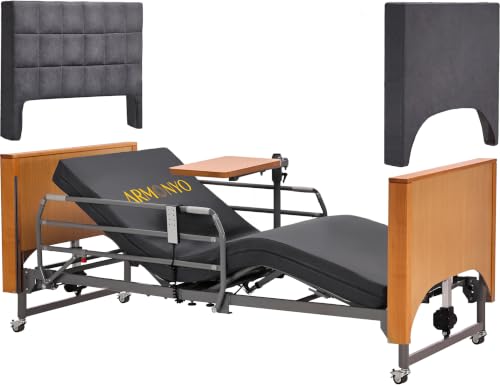
- 8.5" ultra-low height helps reduce fall concerns
- 5 fully electric positions for daily comfort and caregiving
- Includes overbed table, foldable rails, and quiet LIMOSS motor
Best For: Families seeking a home hospital bed with an ultra-low setting for dementia care and easier transfers.
Best Ultra-Low Height Range
Real Relax 3-Function Ultra-Low Electric Bed

- 7.2" ultra-low minimum height
- 3-function electric adjustability
- Includes 6" foam mattress
Best For: Caregivers seeking a low-profile electric bed that supports safer transfers and easier daily care.
Best Ultra-Low Pick
Full Electric Hospital Bed for Home Use

- Drops to 8" for fall-prevention-focused care
- Full electric adjustments ease transfers and repositioning
- Residential wood panels and overbed table suit home use
Best For: Families seeking a low-profile electric bed for dementia care at home.
Best for Ultra-Low Fall Prevention
Premium Ultra Low 5-Function Full Electric Hospital Bed

- 10-inch ultra-low minimum height for safer transfers
- Five powered functions for flexible care positioning
- Includes mattress, IV pole, and locking casters
Best For: Families and caregivers seeking a feature-rich electric bed for safer dementia-focused home care.
Best for Floor-Level Safety – Super Low Full Electric Hospital Bed
This ultra-low electric hospital bed is a strong option for low beds for dementia patients when fall prevention and assisted transfers matter most. With a height range that drops to just 3.9 inches, it helps reduce climb risk while still offering full electric adjustment for daily care.
Best For: Caregivers who want a very low, fully adjustable bed with included safety rails for home dementia care.
Pros:
- Goes down to 3.9 inches for better fall-risk reduction
- Includes pivot assist rails, remote control, and locking casters
- Fully electric with head, foot, hi/lo, and trendelenburg functions
- Folds narrow for easier storage and transport
Cons:
- Mattress sold separately
- Industrial hospital-bed styling may feel clinical in a home bedroom
- 36-inch width is narrower than a standard home bed
For caregivers comparing low beds for dementia patients, this model stands out for its extremely low floor position and included safety features. It is a practical pick if your priority is minimizing fall risk without giving up powered positioning and home-care flexibility.
Best for Tilted Care Support – Full Electric Hospital Bed with Lift & Tilt
If you’re comparing low beds for dementia patients, this full electric hospital-style bed stands out for home caregivers who want more positioning control than a basic frame can offer. The lift function, lateral tilt, and included mattress make it a practical option for reducing transfer strain and supporting safer daily care.
Best For: Home users who need a highly adjustable care bed with added positioning support for seniors or disabled loved ones.
Pros:
- Full electric controls make height and position changes easier for caregivers.
- Lateral tilt can help with comfort, repositioning, and routine care tasks.
- Includes mattress, remote control, and IV pole for a more complete setup.
- Wider-style design offers extra room compared with many standard hospital beds.
Cons:
- Bulky design may be harder to fit in smaller bedrooms.
- More medical-looking than a typical home bed, which may not suit every space.
- Likely overbuilt if you only need a simple low-profile sleep surface.
For caregivers prioritizing adjustability over a minimalist frame, this is a strong fit among low beds for dementia patients. Its electric lift and tilt functions can make everyday care easier, though the size and hospital-bed styling are worth considering before you buy.
Best for Ultra-Low Safety – Ultra Low Electric Hospital Bed
If you’re comparing low beds for dementia patients, this ultra-low electric hospital bed is built around safer transfers, easier positioning, and everyday caregiving convenience. The 7.2-inch minimum height can help reduce fall risk, while the electric adjustments make it simpler to fine-tune comfort without heavy lifting.
Best For: Caregivers who want an ultra-low, adjustable bed with hospital-style support and a built-in mattress.
Pros:
- Ultra-low height range helps support safer entry and exit
- Three electric functions make positioning more manageable
- Includes a 6-inch foam mattress for a ready-to-use setup
- 530 lb capacity adds confidence for heavier-duty use
Cons:
- More of a medical-style bed than a residential furniture piece
- May be bulkier than basic low-profile alternatives
Overall, this is a strong fit if your priority is a low, adjustable sleep surface that supports safer care routines. For families shopping low beds for dementia patients, the combination of ultra-low height and powered adjustment is the main advantage.
Best for Ultra-Low Home Care – Full Electric Ultra Low Hospital Bed
If you need a more clinical-style option among low beds for dementia patients, this full electric home-care bed stands out for its ultra-low 8-inch starting height, powered height range, and multi-angle positioning. It is built to help caregivers manage transfers, reduce fall risk, and improve daily comfort while still looking more residential than a typical hospital bed.
Best For: Caregivers who want an ultra-low, fully adjustable bed for dementia care at home with stronger support and easier positioning.
Pros:
- Ultra-low 8" minimum height can make entry, exit, and fall prevention easier.
- Full electric adjustments include head, foot, height, and lateral side tilting.
- Reinforced frame supports up to 530 lbs for heavier home-care needs.
- Wood headboard/footboard gives it a warmer, less institutional look.
Cons:
- Curbside delivery may require extra help during setup.
- Bulkier and more medical-looking than a standard low bed.
- Higher cost and features may be more than some households need.
For households comparing low beds for dementia patients, this model is a strong fit when safety, positioning flexibility, and long-term durability matter more than a simple low-profile frame. The low starting height and electric controls are especially helpful when caregivers need repeated assistance throughout the day.
Best for Bariatric Fall Prevention – Ultra Wide Low Adjustable Hospital Bed
If you need low beds for dementia patients, this ultra-wide adjustable hospital bed is built around safety, access, and caregiver control. The 7-inch lowest height helps reduce fall risk, while the electric adjustability and included grab rails make daily repositioning and transfers easier.
Best For: Homecare or facility users who need a low, bariatric-capable bed with wide sizing options and strong fall-prevention features.
Pros:
- Ultra-low 7-inch minimum height supports safer entry, exit, and fall prevention
- Adjustable width and length help fit different patients and room setups
- Includes 42-inch pressure-redistribution foam mattress and Q-bar safety rails
- Full electric controls with 8-function pendant simplify daily adjustments
Cons:
- Large footprint may be too bulky for smaller bedrooms
- Higher-spec bariatric design may be more bed than some users need
- Premium feature set likely puts it above basic hospital bed budgets
This is a strong fit for low beds for dementia patients when safety and caregiver usability matter most. The combination of a very low starting height, side-rail support, and wide adjustability makes it especially practical for users who are prone to wandering, unsteady transfers, or frequent repositioning.
Best for Everyday Use – Electric Home Hospital Bed with Overbed Table
If you’re comparing low beds for dementia patients, this model stands out for its ultra-low 8.5-inch minimum height, which can help reduce fall risk and make transfers easier for caregivers. It also brings a more home-like look than a typical hospital bed, thanks to the solid wood panels and removable upholstered covers.
Best For: Families who want a low-profile electric bed for home dementia care with easier transfers, quiet operation, and a more residential appearance.
Pros:
- Ultra-low 8.5″ height supports safer entry, exit, and bedside supervision
- 5 electric functions, including back, leg, height, Trendelenburg, and reverse positioning
- German LIMOSS motor is designed for smooth, quiet adjustments
- Includes an overbed table and two foldable rails for added convenience
Cons:
- Mattress is sold separately
- More expensive and complex than a basic manual bed frame
- Large footprint may be too bulky for very tight rooms
For households prioritizing safer transfers and a more dignified bedroom setup, this is a strong fit among low beds for dementia patients. The ultra-low range is the real draw, but the quiet motor and included accessories make it especially practical for long-term home care.
Best Ultra-Low Height Range – Real Relax 3-Function Ultra-Low Electric Bed
If you’re comparing low beds for dementia patients, this electric hospital-style bed is worth a close look because its ultra-low height range can help reduce fall risk while still allowing caregivers to raise the surface for transfers and daily care.
Best For: Families or facilities that want a full electric bed with a very low minimum height, included mattress, and easy caregiver adjustments.
Pros:
- Ultra-low 7.2" minimum height helps support safer entry and exit.
- Three electric functions make positioning and daily care easier.
- Includes a 6" foam mattress, which simplifies the setup.
- Locking casters and 530 lb capacity add practical stability.
Cons:
- Hospital-bed styling may feel more clinical than a home furniture bed.
- Full electric features can be more than some buyers need.
Overall, this is a strong option if your priority is a secure, adjustable bed profile for low beds for dementia patients rather than a traditional bedroom look. The wide height range and included mattress make it especially practical for caregivers who need flexibility throughout the day.
Best Ultra-Low Pick – Full Electric Hospital Bed for Home Use
If you’re comparing low beds for dementia patients, this full electric home hospital bed stands out for its ultra-low 8-inch minimum height, which can help reduce fall risk and make assisted transfers easier. It also adds caregiver-friendly electric positioning, a solid wood look that feels less clinical, and a built-in overbed table for everyday use.
Best For: Caregivers who want a low-profile, full-electric bed for dementia care at home with easier transfers and a more residential appearance.
Pros:
- Ultra-low 8″ height is well suited to fall-prevention-focused home care.
- Electric height, backrest, and leg adjustments reduce caregiver strain.
- Wood headboard and footboard panels help it blend into a bedroom.
- Includes a bedside table and quiet JIECANG motor system.
Cons:
- Heavy 244-lb frame may be difficult to move or assemble without help.
- Curbside delivery only, with in-home delivery costing extra.
- Used beds are not returnable, which raises the stakes on purchase decisions.
For families prioritizing safety and easier daily care, this is a strong fit among low beds for dementia patients because it combines an especially low minimum height with full electric adjustability. The tradeoff is the size, weight, and delivery limitations, so it’s best for a permanent home-care setup rather than a temporary room.
Best for Ultra-Low Fall Prevention – Premium Ultra Low 5-Function Full Electric Hospital Bed
If you’re comparing low beds for dementia patients, this model stands out for its ultra-low 10-inch minimum height, which can make nighttime transfers and fall prevention easier in home-care settings. It also adds five powered functions, so caregivers can fine-tune positioning without relying on manual adjustment.
Best For: Families and caregivers who want an ultra-low electric bed with advanced positioning features for safer dementia or mobility-focused home care.
Pros:
- Ultra-low 10-inch minimum height helps reduce fall risk and makes transfers easier.
- Five electric functions include back, leg, Trendelenburg, reverse Trendelenburg, and height adjustment.
- Four separate guardrails improve access, flexibility, and patient safety.
- Includes a waterproof mattress, IV pole, locking casters, and a 550 lb weight capacity.
Cons:
- More expensive and feature-heavy than a basic home hospital bed.
- Large medical-bed footprint may be too bulky for very small rooms.
For shoppers focused on low beds for dementia patients, the biggest advantage here is the combination of a very low minimum height and powered positioning, which can support safer care and easier day-to-day use. It’s a strong fit when fall reduction and caregiver convenience matter more than keeping things simple.
How We Picked These Low Beds for Dementia Patients
We prioritized models that combine an ultra-low minimum height, reliable electric controls, and caregiver-friendly features such as adjustable head and foot sections, locking casters, and included side rail options. We also looked for beds that feel appropriate for home care, not just clinical settings.
For Low Beds for Dementia Patients, safety and ease of use matter more than luxury extras. The strongest choices help lower fall risk, support transfers, and reduce physical strain for family members or professional caregivers.
Quick Comparison: What Matters Most
If you are narrowing down your options, compare beds by minimum height, adjustability range, mattress compatibility, rail design, and overall width. A lower minimum height is helpful for fall prevention, while a wider platform may improve comfort for larger users or those who move frequently in sleep.
Fast Rule of Thumb
Choose the lowest bed possible for safety, then make sure it still rises high enough for comfortable caregiving and transfers.
Key Buying Factors for Low Beds for Dementia Patients
Minimum bed height: This is one of the most important safety features. Lower beds can help reduce injury risk if a person rolls out of bed.
Electric positioning: Head, foot, and height adjustments can improve comfort and make daily care tasks easier.
Side rails and pivot support: These can help with positioning and provide added reassurance, but they should not replace proper supervision when needed.
Mattress quality: A supportive mattress matters for pressure relief, comfort, and sleep quality, especially for users who spend long periods in bed.
Width and length: Consider body size, turning space, and room layout. Wider beds may be more comfortable, but they need more floor space.
Home setup: Check doorway clearance, caster locking, power access, and whether the bed can be placed safely near walls or furniture.
Who Should Buy Which Low Beds for Dementia Patients?
Choose an ultra-low model if fall prevention is the top priority or if the user is prone to nighttime wandering or rolling out of bed.
Choose a higher-feature model if caregivers need frequent repositioning help, tilt functions, or more advanced adjustability for long-term home care.
Choose a wider bed if the patient needs extra space for comfort, movement, or pressure management.
Choose a simpler full electric bed if you want straightforward daily operation without unnecessary complexity. For most Low Beds for Dementia Patients, the best choice is the one that matches the person’s mobility, supervision level, and room size while keeping transfers as safe as possible.