When someone eats slowly, a meal can cool before they finish. A well-chosen plate warmer can help keep food comfortable to eat without rushing mealtime.
These seven options range from a non-electric insulated plate to warming mats and trays. The right choice depends on who will operate it, where it will sit, and how closely it needs to be supervised.
Best 7 Plate Warmers for Dementia Patients Picks for 2026
Best Water-Filled Plate

- Hot- or cold-water compartment
- Highly visible blue-and-white design
- Hand-wash only
Best For: Cord-free assisted dining
Best Compact Electric Mat
7-Temperature Food Warming Mat

- Seven settings: 100°F–212°F
- Four-hour automatic shutoff
- Compact, wipe-clean silicone
Best For: Supervised meals using existing dishes
Best Cord-Free Warming Base
Classic Cuisine Chef Buddy Marble Plate
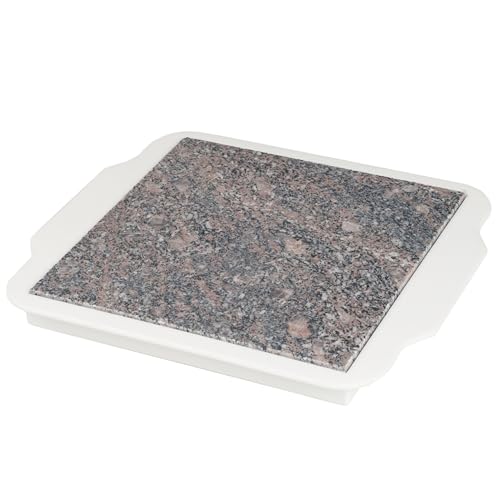
- Microwave-heated marble insert
- No cord during meals
- Hot stone needs careful handling
Best For: Caregiver-prepared, cord-free warming
Best Expandable Warming Tray

- Expandable detachable boards
- Adjustable 158°F–284°F range
- Suited to multiple dishes
Best For: Supervised family meals with several dishes
Compact Single-Plate Pick

- 27cm surface for one dish
- 65°C and 120°C settings
- Wipeable glass; 80W design
Best For: Supervised single-place-setting meals
Flexible Family-Meal Pick
Modular Two-Panel Warming Tray

- One or two detachable panels
- Six settings, 104°F–266°F
- 1–8-hour timer and child lock
Best For: Caregiver-managed meals with multiple dishes
Easy-Cleanup Mat Pick
Detachable Silicone Warming Mat

- Detachable dishwasher-safe mat
- Six presets, 104°F–212°F
- Child lock and up-to-6-hour timer
Best For: Supervised meals with frequent spills
Best Water-Filled Plate – NRS Keep Warm Thermo Plate
For shoppers comparing plate warmers for dementia patients, this blue-and-white plate keeps food warm by holding hot water in a lower compartment. Its highly visible color and soft-grip inlays make it a practical option for assisted dining.
Best For: Caregivers who want a cord-free plate that can also keep food cool.
Pros:
- Hot water keeps food warm; cold water can keep it cool.
- Highly visible blue-and-white design.
- Soft-grip, non-slip inlays help prevent water escaping.
Cons:
- Requires filling the lower compartment with water.
- Not suitable for the dishwasher, microwave, or oven.
Choose this when a dedicated dining plate suits the routine better than a separate warming surface; plan to wash it by hand.
Best Compact Electric Mat – 7-Temperature Food Warming Mat
Among plate warmers for dementia patients, this compact electric mat is a separate warming surface for a caregiver to place beneath a meal dish. Seven temperature settings from 100°F to 212°F allow the caregiver to adjust the heat.
Best For: Supervised meals where a small warming surface and adjustable settings are useful.
Pros:
- Seven temperature settings and a four-hour automatic shutoff.
- Works beneath ceramic, glass, and stainless steel dishes.
- Spill-resistant silicone surface wipes clean and folds for storage.
Cons:
- Requires electricity and temperature selection.
- Its compact heating surface may not suit larger serving dishes.
This is a flexible choice for keeping an existing dish warm, provided a caregiver manages the powered mat and checks the meal temperature before serving.
Best Cord-Free Warming Base – Classic Cuisine Chef Buddy Marble Plate
For households considering plate warmers for dementia patients, this marble warming base offers a cord-free way to keep a dish warm at the table. Microwave the marble insert first, then place it back in its polypropylene holder beneath a plate or bowl.
Best For: Caregivers who can prepare a warming base before a meal without leaving a cord on the table.
Pros:
- No cord or batteries needed during the meal.
- Holds plates, bowls, and other dishes.
- Plastic handles stay cool to the touch while the marble is hot.
Cons:
- The marble must be microwaved before use and remains hot afterward.
- Hand-wash only.
The removable marble insert is straightforward to clean, but the heated stone calls for careful handling by a caregiver.
Best Expandable Warming Tray – Leburry Electric Warming Tray
When comparing plate warmers for dementia patients, this electric tray is better suited to keeping shared dishes warm than to serving food directly. Its detachable boards let a caregiver use a smaller setup or expand the warming area for several dishes.
Best For: Caregivers keeping multiple dishes warm before or during a supervised family meal.
Pros:
- Detachable boards support single-, double-, or triple-tray setups.
- Adjustable temperature settings range from 158°F to 284°F.
- Non-slip foot pads and a wipe-clean surface.
Cons:
- Requires an electrical connection and touch-button operation.
- The stated temperature range calls for careful supervision around the tray.
Its expandable layout makes sense for serving several dishes, but it is more equipment than needed to warm one individual plate.
Compact Single-Plate Pick – 27cm Electric Warming Tray
Irishom Electric Warming Tray with 2 Temperature Settings Multifunction Food Warmer (US Plug 110V)
Check Price On AmazonFor shoppers comparing plate warmers for dementia patients, this compact tray offers a 27cm warming surface for keeping one dish warm during a meal. Its two settings are 65°C and 120°C, so a caregiver should select the setting and check the dish temperature before serving.
Best For: A single place setting where table space is limited and a caregiver can supervise use.
Pros:
- Two temperature settings offer a choice of heat levels.
- Wipeable tempered-glass surface simplifies cleanup.
- 80W design and non-slip plastic base suit a compact setup.
Cons:
- 27cm surface is less suitable for multiple dishes.
- No timer or automatic shutoff is listed in the supplied specifications.
The straightforward controls may appeal to caregivers who want fewer settings, but the hot surface and lack of a listed shutoff make supervision important.
Among plate warmers for dementia patients, this modular tray is a practical option when a caregiver wants to keep several serving dishes warm or use just one panel for a smaller meal. Two detachable panels form a 21.26-inch surface, with six temperature settings and a programmable 1–8-hour timer.
Best For: Caregiver-managed meals with changing numbers of dishes and a need for timed warming.
Pros:
- One- or two-panel setup accommodates single servings or 2–4 dishes.
- Six settings range from 104°F to 266°F.
- Timer, child safety lock, and overheat protection provide useful controls.
- Tempered glass wipes clean after spills.
Cons:
- Its 21.26-inch assembled surface needs more table space than a single-plate warmer.
- High settings can make dishes hot; a caregiver should check temperatures before serving.
The adjustable footprint and timer make this the most versatile choice here for shared meals, though its controls and heated surface still call for caregiver oversight.
If easy cleanup is a priority while comparing plate warmers for dementia patients, this flexible silicone mat has a detachable heating board and control board, with a warming mat described as dishwasher-safe. Six preset temperatures from 104°F to 212°F and a timer of up to six hours give a caregiver options for keeping dishes warm.
Best For: Supervised meals where spills are common and the warmer needs compact storage afterward.
Pros:
- Detachable, dishwasher-safe silicone mat simplifies cleanup.
- Six temperature presets and an adjustable timer with automatic shutoff.
- Child lock helps prevent accidental control changes.
- Flexible, slim mat can be rolled for storage.
Cons:
- Its 500W rating is higher than the 80W single-plate model in this roundup.
- The child lock does not make the heated mat or dishes safe to touch.
This is a useful choice for caregivers who value cleanup and storage convenience, provided they supervise the warming surface and check food temperature before serving.
How We Picked the Best Plate Warmers for Dementia Patients
We looked at the seven selected products as different approaches to keeping meals warm: one insulated dining plate and six electric mats or trays. We prioritized features that matter in a dementia-care setting, including straightforward operation, a stable place for dishes, manageable cleaning, and controls that a caregiver can set without disrupting the meal. Listed temperatures and safety features are useful comparison points, but they do not establish that a product is safe for unattended use.
Quick Comparison
The NRS Healthcare thermo plate is the only non-electric option here. It suits someone who benefits from a familiar plate at the table and does not need a powered surface nearby. The Classic Cuisine Chef Buddy is a compact warming plate with a holder, worth considering when counter or table space is limited. The seven-temperature warming mat offers more adjustment for a caregiver willing to manage settings. The remaining electric trays emphasize combinations of portability, simple temperature choices, timers, or child-lock controls. Compare their actual dimensions and instructions before choosing a spot for one.
Key Buying Factors for Plate Warmers for Dementia Patients
Who Controls the Heat?
Start with the person’s habits, not the maximum temperature. If they may touch a hot surface, move dishes unexpectedly, or operate unfamiliar buttons, a caregiver-managed warmer—or a non-electric plate—may be the better fit. A child lock can help prevent accidental control changes, but it does not make the heating surface cool or remove the need for supervision.
Surface, Dish, and Placement
Check that the warmer supports the dishes you actually use; material compatibility varies. Choose a level, uncluttered location away from table edges, cords, and anything easily knocked over. A warming tray may be better placed on a nearby counter than directly in front of the diner. Verify the product’s heat-clearance requirements and whether its cord can be routed without creating a trip or pulling hazard.
Temperature and Cleaning
More settings can help a caregiver find a comfortable serving temperature, while fewer controls may make daily setup easier. A timer is convenient, but confirm how it works rather than assuming it automatically prevents overheating. Look for a surface that can be wiped down easily, and follow the maker’s cleaning and dishware instructions. Warmers help maintain heat; they are not a substitute for cooking, reheating food thoroughly, or checking that food is safe to serve.
Who Should Buy Which Plate Warmers for Dementia Patients?
Choose the insulated plate if avoiding cords and exposed powered surfaces is the priority. Consider a compact warming plate for a caregiver-controlled serving spot with limited space. Pick a multi-setting mat or tray if you regularly serve different dishes and want more heat adjustment. A timer or control lock may be useful in a shared household, provided someone still supervises setup and use. For Plate Warmers for Dementia Patients, the best choice is the one that fits the person’s routine and the caregiver’s ability to operate it safely every day.