Choosing the right support can make daily care easier, more comfortable, and more stable. For people living with ALS, the best arm tray does more than hold weight—it helps reduce strain, improve positioning, and support safer transfers and rest.
This roundup focuses on practical options for wheelchairs, chairs, and bedside use, with an eye toward fit, cushioning, and cleanup. Below, you’ll find a focused guide to help you compare the best arm support trays for ALS patients based on real-world needs.
Best 10 Arm Support Trays for ALS Patients Picks for 2026
Best for Lateral Support
Skil-Care EZ On Foam Arm Trough

- Rigid insert helps maintain arm support and alignment
- Universal fit works on left or right side
- Wipe-clean nylon cover suits home or facility care
Best For: Caregivers wanting simple lateral wheelchair support for ALS positioning.
Best for Post-Surgery Arm Elevation

- Grooved center helps stabilize the arm
- High-density foam supports elevation and comfort
- Soft removable flannel cover is washable
Best For: Users who need a cushioned elevated arm rest for recovery or low-motion comfort.
Best for Lateral Arm Stability
Skil-Care Lateral Arm Trough Tray

- Foam-cushioned trough for comfort
- Universal fit for chairs with armrests
- Helps maintain lateral arm positioning
Best For: People who need simple, comfortable side support for arm positioning in a seated chair.
Best for Easy Setup

- Foam-cushioned trough for comfortable arm support
- Universal fit for many armrest-equipped chairs
- Helps with stabilization and pressure relief
Best For: ALS patients or caregivers who need a simple padded arm trough for seated arm support.
Best for Forearm Positioning
Elevating Arm Support Foam Insert
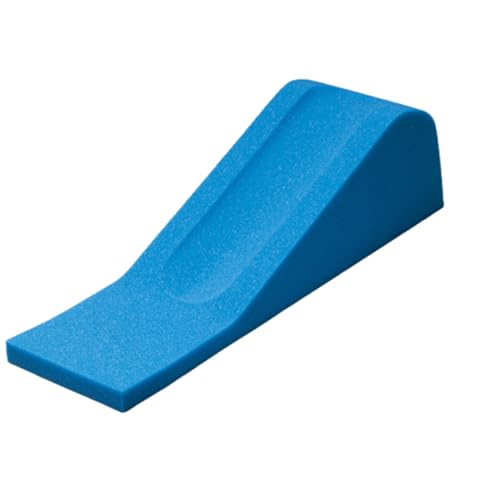
- Contoured trough supports the forearm
- Helps keep the hand elevated above the tabletop
- Lightweight foam works on bed, table, or lapboard
Best For: ALS patients who need a soft, stable arm support for comfort and elevation.
Best for Lateral Positioning
Vive Lateral Support Arm Trough for Wheelchair

- Cradles the arm and elbow in a stable lateral position.
- Universal fit works with many wheelchairs.
- Easy-clean padded surface for everyday use.
Best For: Wheelchair users who need stable side-arm support and comfortable upper-limb positioning.
Best for Stable Arm Positioning
Phlebotomy Arm Wedge Pillow with Slot

- Secure slot reduces arm slipping during care
- Extended 11.8-inch cushion supports wrist to mid-arm
- Waterproof PU cover is easy to wipe clean
Best For: Clinics and home caregivers needing a stable, sanitary arm support cushion for repeated procedures.
Best for Lateral Arm Positioning

- Cradles the forearm and elbow for steadier support
- Cushioned design adds comfort during long sits
- Helpful for ALS, stroke, and elderly wheelchair users
Best For: Wheelchair users who need side-arm support and a cushioned resting trough.
Best for Lateral Support – Skil-Care EZ On Foam Arm Trough
If you need arm support trays for ALS patients that help reduce side leaning and keep the upper body more centered, this Skil-Care foam arm trough is a practical option. It uses a rigid insert for shape, a wipe-clean nylon cover for easier maintenance, and a universal fit that works on either the left or right side.
Best For: Home caregivers, rehab settings, and facilities looking for a simple lateral wheelchair support that can help stabilize the torso and arm position.
Pros:
- Helps reduce lateral leaning by supporting the arm and upper body
- Universal left-or-right placement adds flexibility
- Wipe-clean nylon cover is easier to maintain in daily use
- Rigid insert provides a more structured support surface
Cons:
- Designed as a support accessory, not a fully contoured custom tray
- May require proper positioning to get the best stability
- Single-side use may not suit everyone’s seating setup
This is a solid pick if your priority is practical positioning rather than extra padding or a full table-style surface. For arm support trays for ALS patients, it stands out as a straightforward way to improve alignment and comfort in a wheelchair without adding much complexity.
Best for Post-Surgery Arm Elevation – Arm Elevation Pillow Wedge
If you’re comparing arm support trays for ALS patients, this wedge-style arm pillow is a simple option for keeping the arm elevated, cushioned, and more stable during rest. Its grooved center, wraparound sides, and 30-degree incline are designed to reduce side-to-side shifting while supporting recovery comfort.
Best For: People who need a soft, elevated arm rest for post-surgery recovery, broken arm support, or low-motion daily comfort.
Pros:
- Grooved center and raised sides help hold the arm in place
- High-density foam provides firm, long-lasting support
- Removable flannel cover is soft, breathable, and machine washable
- 30-degree angle can help keep the arm comfortably elevated
Cons:
- Not a rigid tray, so it may not suit users who need a hard surface
- Vacuum-packed foam needs time to fully expand after opening
As a support pillow rather than a structured tray, this model is a better fit for cushioned positioning than task-based arm support. For shoppers browsing arm support trays for ALS patients, it’s worth considering when comfort, elevation, and pressure relief matter more than a flat work surface.
Best for Lateral Arm Stability – Skil-Care Lateral Arm Trough Tray
If you’re comparing arm support trays for ALS patients, this Skil-Care tray is a practical option when the main goal is to keep the arm comfortably positioned and laterally supported. The foam cushion and nylon cover add pressure relief, while the universal fit makes it easier to use across different chairs with armrests.
Best For: Users who need steady side support for an arm that tends to drift outward, especially in seated care settings.
Pros:
- Foam-cushioned trough helps cradle the arm with added comfort
- Universal design fits many chairs with armrests
- Nylon cover is easy to wipe down and maintain
- Useful for improving positioning and reducing pressure points
Cons:
- Not a full wheelchair or mobility support system
- May need adjustment to get the most secure positioning
This is a straightforward, comfort-first choice among arm support trays for ALS patients, especially when lateral stabilization matters more than complex adjustability. It’s best viewed as a supportive positioning aid rather than a highly specialized custom solution.
Best for Arm Elevation Support – Arm Elevation Pillow with Pocket
If you’re comparing arm support trays for ALS patients or looking for a stable resting option after surgery, this arm elevation pillow is built around comfort, elevation, and reduced movement. The grooved center and raised sides help keep an arm positioned more securely, while the pocket can hold an ice pack to support swelling control during recovery.
Best For: Adults who need a soft, elevated arm rest for post-surgery recovery, seated support, or gentler day-to-day arm positioning.
Pros:
- Grooved ergonomic shape helps cradle the arm and reduce side-to-side shifting
- High-density foam offers firm support for elbows, wrists, and forearms
- Removable flannel cover is soft, breathable, and machine washable
- Built-in pocket can hold an ice pack for added recovery support
Cons:
- Ice packs are not included
- May feel too bulky for users who want a very slim arm rest
- Needs 24–48 hours to fully expand after unpacking
This is a practical pick if you want a cushioned, stable arm-resting solution rather than a rigid tray. For shoppers comparing arm support trays for ALS patients, the value here is in the softer cradle and supportive elevation, though it’s still more of a pillow-style aid than a hard surface tray.
Best for Easy Setup – Skil-Care Arm Trough Tray
If you’re comparing arm support trays for ALS patients, this Skil-Care lateral stabilize arm trough tray is a practical option for keeping the arm cushioned, centered, and better supported during seated rest. The foam padding and polyester cover focus on comfort, while the universal fit makes it easier to add to many wheelchairs or armrest-equipped chairs.
Best For: ALS patients or caregivers looking for a simple, padded arm trough tray that helps stabilize the arm and reduce pressure while seated.
Pros:
- Foam-cushioned trough helps cradle and support the arm comfortably.
- Universal fit works with many chairs that have armrests.
- Helpful for pressure relief and lateral arm stabilization.
Cons:
- Not a highly adjustable medical positioning system.
- May need caregiver help to position correctly.
For shoppers focused on arm support trays for ALS patients, this is a straightforward, comfort-first choice rather than a highly specialized custom setup. It makes the most sense when you want dependable arm cradling and easier seating support without complicating the setup.
Best for Forearm Positioning – Elevating Arm Support Foam Insert
If you’re comparing arm support trays for ALS patients, this contoured foam insert is a simple, low-profile option for keeping a weak arm comfortably elevated and better aligned during rest or therapy. Its trough-style shape helps support the forearm, while the open-cell foam keeps the setup lightweight for use on a lapboard, table, or bed.
Best For: ALS patients who need a soft, stable arm support to reduce strain and keep the hand elevated above the tabletop.
Pros:
- Contoured trough supports the forearm in a more natural position
- Helps elevate the hand to encourage fluid return and reduce swelling
- Works on a bed, table, or lapboard without slipping easily
- Lightweight open-cell foam is easy to move and place
Cons:
- Single insert only, so it may not suit both arms at once
- Less adjustable than a rigid or modular support tray
- Foam build may wear faster with heavy daily use
Overall, this is a practical pick if you want a soft, supportive option rather than a more complex tray system. For buyers focused on comfort and simple positioning, it can be a useful choice among arm support trays for ALS patients.
Best for Lateral Positioning – Vive Lateral Support Arm Trough for Wheelchair
If you’re comparing arm support trays for ALS patients, this Vive lateral support trough is designed to help keep an arm, elbow, and shoulder comfortably supported while seated in a wheelchair. The ergonomic pad aims to reduce strain, improve positioning, and make daily sitting time a little easier for users who need more stable upper-body support.
Best For: Wheelchair users who need lateral arm and elbow support, especially older adults, stroke recovery patients, and people with limited arm control.
Pros:
- Lateral trough design helps cradle the arm in a more stable position.
- Universal-fit attachment makes it easier to add to many wheelchairs.
- Padded surface offers a more comfortable resting point for the arm and elbow.
- Easy-clean materials are practical for everyday use.
Cons:
- Sold as one piece, so some users may need to buy a second unit.
- May be more supportive than some users want for casual seating.
Overall, this is a practical pick if you want arm support trays for ALS patients that focus on positioning and comfort rather than extra frills. It makes the most sense for users who need a stable resting surface and a simple, wheelchair-friendly setup.
Best for Stable Arm Positioning – Phlebotomy Arm Wedge Pillow with Slot
If you need arm support trays for ALS patients or other users who must keep the forearm steady during care, this wedge-style arm pillow is built for secure positioning. The molded slot helps reduce slipping, while the extended surface supports the wrist through mid-arm for infusions, blood draws, dialysis, and home care.
Best For: Clinics, mobile phlebotomists, dialysis visits, and home caregivers who need a stable, easy-to-clean arm support cushion for repeated use.
Pros:
- Built-in slot helps hold the forearm steady during procedures
- 11.8-inch extended design supports more of the arm than basic wedges
- Waterproof PU leather wipes clean quickly between uses
- Lightweight with a handle for simple transport
Cons:
- Designed for medical positioning, not a cushioned full-arm recliner
- Wedge shape may not suit every wheelchair or bedside setup
This is a practical pick if stability and hygiene matter more than plush comfort. For arm support trays for ALS patients, the slot-and-wedge design can be especially useful when consistent forearm placement is the main priority.
Best for Easy Arm Positioning – Vive Lateral Arm Trough for Wheelchair 11"
If you’re comparing arm support trays for ALS patients, this Vive lateral arm trough is a practical pick for keeping the forearm and elbow cushioned in a more stable resting position. It attaches to a wheelchair frame with adjustable straps, offers padded support in two sizes, and is simple to clean for everyday use.
Best For: Wheelchair users who need a soft, adjustable lateral arm support that helps keep an arm comfortably positioned during long sitting sessions.
Pros:
- Padded trough-style support can reduce pressure on the forearm and elbow.
- Adjustable straps and universal fit make setup straightforward.
- Waterproof cover and wipe-clean maintenance help with daily hygiene.
- Available in two lengths for better fit flexibility.
Cons:
- Single-sided 11" version may be too short for some users.
- Not a medical immobilization device for advanced positioning needs.
- Fit can vary depending on wheelchair frame shape.
As a comfort-focused accessory, this model makes sense when you want simple lateral support rather than a more complex positioning system. For shoppers evaluating arm support trays for ALS patients, it’s a solid everyday option if adjustability, easy cleaning, and cushioned arm rest comfort are the priorities.
Best for Lateral Arm Positioning – AOSSA Wheelchair Arm Trough
If you’re comparing arm support trays for ALS patients, this AOSSA arm trough is designed to help keep the elbow and forearm cradled in a stable side-support position. It’s a practical add-on for wheelchairs when the goal is reducing arm fatigue and preventing the arm from sliding outward during daily use.
Best For: Wheelchair users who need lateral arm positioning and a cushioned resting surface for weakened or unsupported arms.
Pros:
- Arm trough shape helps support the forearm and elbow
- Cushioned design is more comfortable than a hard tray surface
- Useful for stroke recovery, elderly care, and ALS-related support needs
Cons:
- May not suit users who need a flat work surface instead of side support
- Fit and positioning depend on the wheelchair arm setup
Overall, this is a focused support accessory rather than a multi-purpose tray, so it makes the most sense when stability and arm containment matter more than table-like utility. For buyers shopping arm support trays for ALS patients, it’s a strong option if lateral control and comfort are the priorities.
How We Picked the Best Arm Support Trays for ALS Patients
We prioritized support shape, stability, pressure distribution, ease of cleaning, and versatility across wheelchairs and standard chairs. Because ALS needs can change over time, we favored designs that help maintain arm position without creating unnecessary pressure points or complicated setup.
We also looked for options that can work in home care settings, rehab environments, and everyday mobility routines. Materials, cover type, and overall adjustability mattered because they affect both comfort and long-term usability.
Quick Comparison
When comparing Arm Support Trays for ALS Patients, think in terms of use case rather than only size. Foam trough-style supports are usually best for positioning and lateral stability. Elevation-style pillows can be a better fit when the goal is simply to reduce hanging weight and keep the arm comfortably raised. Models with wipe-clean or waterproof covers are especially helpful for frequent care and easier hygiene.
Best for Wheelchair Positioning
Choose a contoured trough or tray-style support if the arm tends to slide outward, fatigue quickly, or needs more structured lateral control.
Best for Bedside or Temporary Use
Choose a softer wedge or elevation pillow if the arm needs gentle support for rest, recovery, or short-term comfort.
Key Buying Factors for Arm Support Trays for ALS Patients
Fit and attachment: Make sure the support matches the chair, wheelchair, or armrest setup. Universal-fit designs are convenient, but you still need to check dimensions and mounting style.
Support shape: A deep trough can help stabilize the arm and elbow, while a flatter wedge may be better for elevation and lighter support needs.
Cushion firmness: Too soft can collapse under the arm; too firm can create pressure. The best balance depends on weight, skin sensitivity, and how long the arm will rest on the support.
Cover material: Look for nylon, polyester, or waterproof surfaces if spills, sweat, or frequent wiping are likely.
Care needs: If the user has limited mobility or fragile skin, prioritize easy-clean materials, smooth edges, and a shape that won’t create friction during repositioning.
Who Should Buy Which Arm Support Trays for ALS Patients?
Buy a trough-style arm tray if the main goal is stability, alignment, and preventing the arm from drifting outward in a wheelchair.
Buy an elevation pillow if the focus is comfort, gentle lifting, or resting the arm after a procedure or during low-activity periods.
Buy a washable, universal-fit model if multiple caregivers will use the setup or if you need a practical option that can move between chairs.
For many families, the best choice is the one that matches the user’s current mobility, skin tolerance, and daily routine—not just the most padded or the most rigid design. When in doubt, choose the simplest support that gives enough stability without adding pressure or complexity.